



First, A Quick Civics Lesson
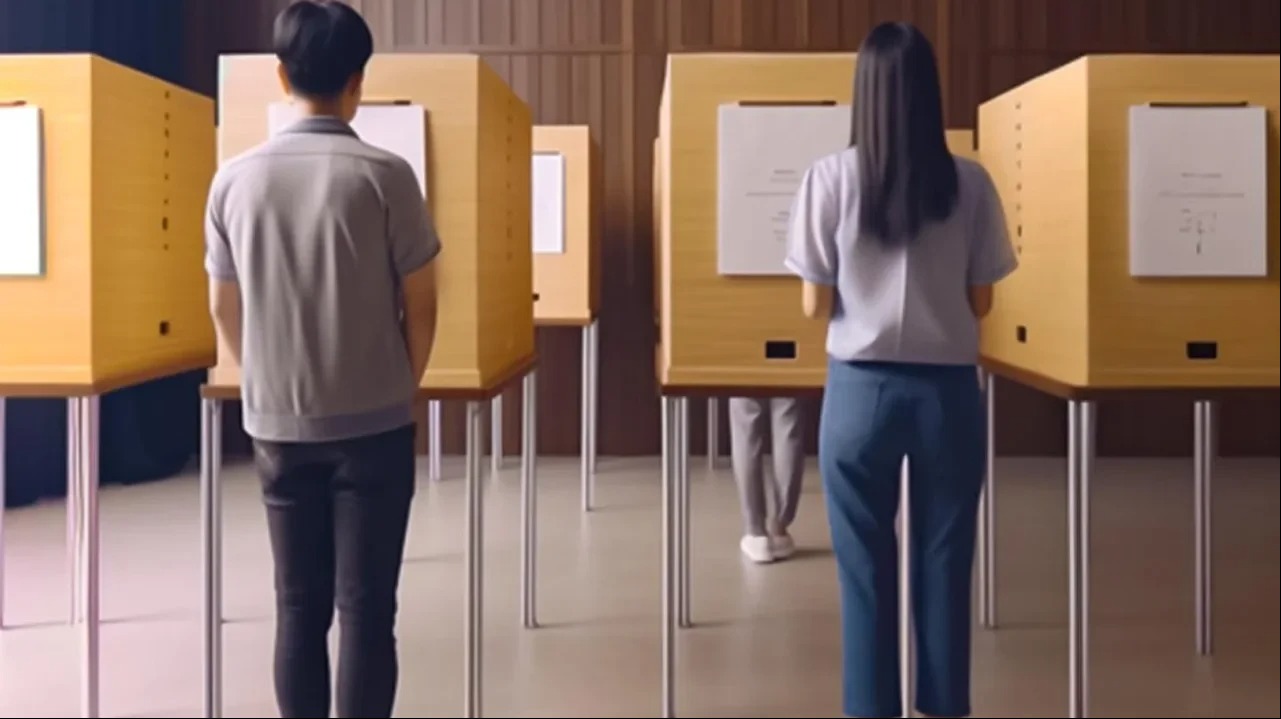
Before diving into Utah's specific rules, let's clarify the terms. In a 'closed' primary, you must be a registered member of a political party to vote for that party's candidates. For example, only registered Republicans can vote in a closed Republican primary. In an 'open' primary, any registered voter can participate, regardless of their party affiliation. They can choose which party's primary ballot they want on Election Day. There are also 'semi-closed' systems where a party might allow its own members plus unaffiliated, independent voters to participate, while blocking members of other parties. These distinctions are crucial because they determine who gets a say in which candidates make it to the general election in November.
So, What's Utah's System?
Utah law allows
each political party to decide who can vote in its primary election. This has resulted in a 'semi-closed' or 'mixed' system that differs depending on which party's primary you want to participate in. For voters, this means you can't assume a one-size-fits-all rule. The Utah Democratic Party currently holds an open primary, while the Utah Republican Party holds a closed one. This means your party affiliation—or lack thereof—directly impacts your options. You are only allowed to vote in one party's primary per election.
A Tale of Two Parties
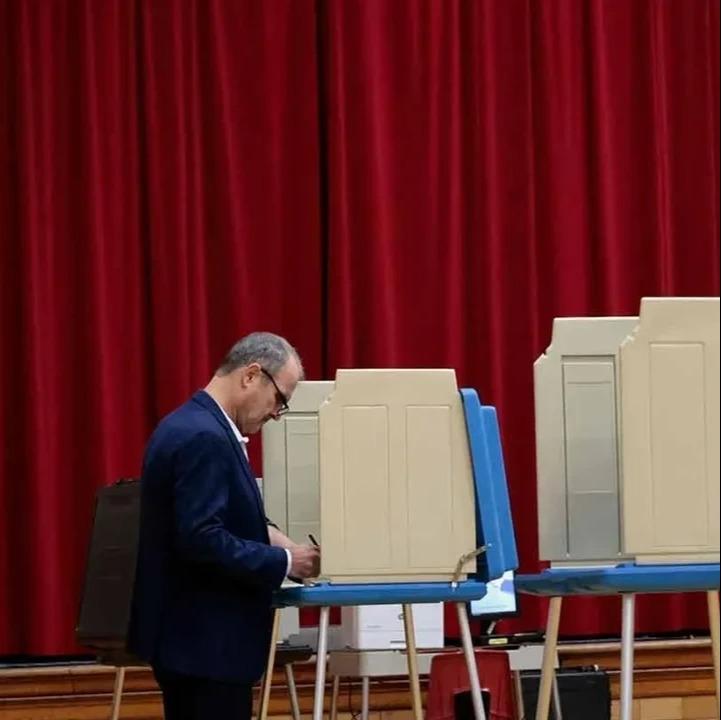
Here’s how it works in practice. For the Democratic primary, any registered voter in Utah can participate. If you are a registered Republican, a member of a third party, or an unaffiliated voter, you can request a Democratic primary ballot. This does not change your official party registration. For the Republican primary, things are more restrictive. It is a closed primary, meaning only voters who are officially registered as Republicans can participate. If you're an unaffiliated voter, you have an opportunity to join the GOP and vote in its primary; you can even affiliate with the party in person on Election Day at a polling location. However, if you are already registered with another party, like the Democratic Party, you must change your affiliation to Republican by a specific deadline well before the primary election to be eligible to vote.
The Story Behind the System
Utah's unusual system is the result of a major political battle that culminated in a 2014 law known as SB54. Before this, party nominees were chosen exclusively through a caucus and convention system, where small groups of party delegates held immense power. A citizen initiative called 'Count My Vote' pushed to replace this with a direct primary, arguing it would increase voter participation. The legislature and activists reached a compromise with SB54, creating a dual-pathway system. Candidates can now qualify for the primary ballot either by winning support at the party convention or by gathering a required number of voter signatures. The law, which the Utah Republican Party challenged all the way to the U.S. Supreme Court, also enshrined the parties' right to choose an open or closed primary.
Why It All Matters
This hybrid system has significant consequences. The open Democratic primary allows the party to appeal to a broader electorate, including the large bloc of unaffiliated voters in the state. The closed Republican primary, on the other hand, gives the party's base more control over who becomes the nominee. In a state where Republicans hold a significant electoral advantage, the GOP primary is often the most consequential election for many statewide and local offices. The dual-pathway to the ballot created by SB54 remains a point of contention, especially within the Utah GOP, where some argue the signature-gathering path allows candidates who are not conservative enough to bypass the dedicated party delegates. This ongoing tension shapes the types of candidates who run and win in the Beehive State.