


Mark Your Calendar: The Key Date
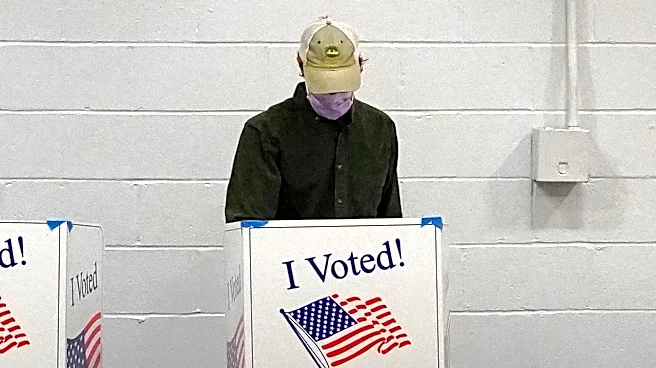
The 2026 Minnesota General Election will be held on Tuesday, November 3, 2026. This is the main event, but it's not the only important date. Party primary elections, which determine which candidates will appear on the general election ballot, were held on August 11, 2026. In Minnesota, polls are typically open from 7 a.m. to 8 p.m. Early in-person voting and absentee voting by mail are also popular options, with the early voting period beginning on September 18, 2026.
High Stakes at the Federal Level
Minnesota voters will have a direct say in the balance of power in Washington. All eight of the state's seats in the U.S. House of Representatives are up for election for two-year terms. More significantly, Minnesota will host a closely watched U.S. Senate race. Incumbent Senator
Tina Smith (DFL) announced she would not seek a second full term, creating an open-seat contest. The race to succeed her features DFL Lieutenant Governor Peggy Flanagan and Republican nominee Michele Tafoya, a former sportscaster. Recent polling from early October shows a tight race, with Flanagan holding a narrow four-point lead over Tafoya, a margin within the poll's margin of error.
A Historic Race for Governor
For the first time in its history, Minnesota is on track to elect a woman as governor. The contest is for an open seat, as incumbent Governor Tim Walz (DFL) withdrew from the race. The general election pits four-term U.S. Senator Amy Klobuchar (DFL) against the current Republican Speaker of the Minnesota House, Lisa Demuth. A KARE 11/Minnesota Star Tribune poll from early October 2026 showed Klobuchar with a nine-point lead over Demuth. In addition to the governor's office, all other statewide constitutional offices are on the ballot, including Attorney General, Secretary of State, and State Auditor.
Control of the State Legislature Hangs in the Balance
Every single seat in the Minnesota Legislature is up for grabs in 2026. This includes all 134 seats in the House of Representatives and all 67 seats in the Senate. Control of both chambers is exceptionally narrow. Following the last election, the House was evenly split at 67-67 between the DFL and Republicans, operating under a rare power-sharing agreement. In the Senate, Democrats hold a razor-thin 34-33 majority. The outcome of these legislative races will determine the direction of state policy on everything from taxes and education to infrastructure and social programs for the next several years.
Local Races and Ballot Questions
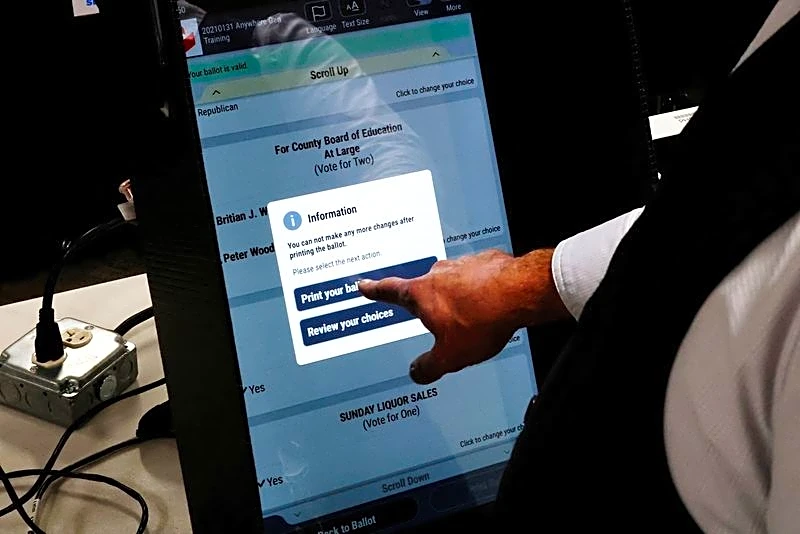
Beyond the high-profile federal and state races, your ballot will also include important local contests. These can include county commissioners, city officers, school board members, and judicial seats. Voters will also decide on at least one proposed amendment to the Minnesota Constitution. The exact nature of other local ballot questions can vary by city and county, so it's essential to view your specific sample ballot to be fully informed. You can typically find your sample ballot on the Minnesota Secretary of State's website about 45 days before the election.
How to Prepare to Vote
Minnesota is known for its high voter turnout, partly due to its accessible registration laws. You can register to vote online, by mail, or in person. The deadline for online and mail-in registration is 21 days before the election. However, Minnesota also offers same-day registration, meaning you can register at your polling place on Election Day. To do so, you'll need to provide proof of residence, such as a Minnesota driver's license with your current address or a photo ID plus a recent utility bill. A new law also automatically registers eligible voters when they apply for a state ID, though you can opt out.