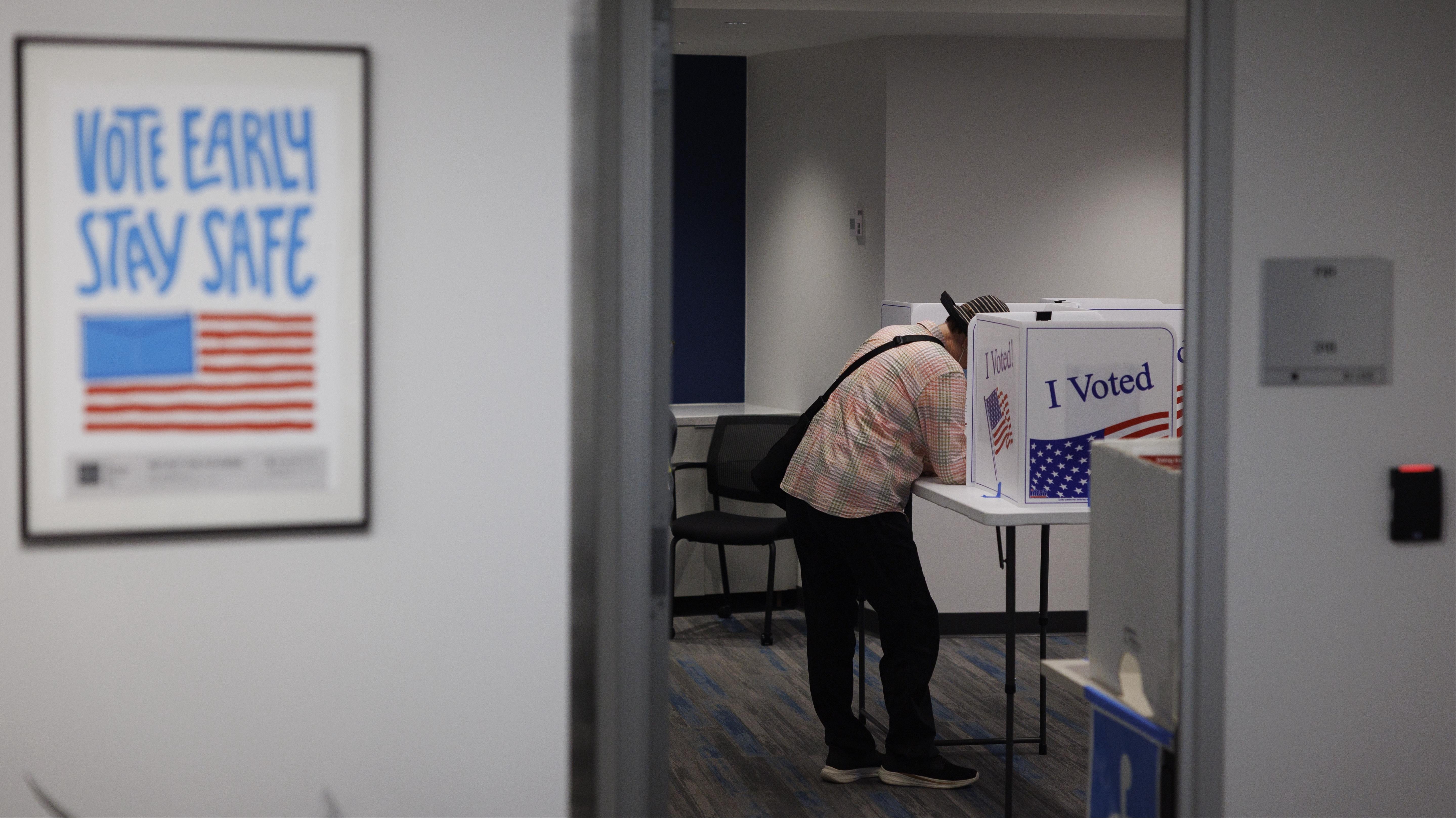

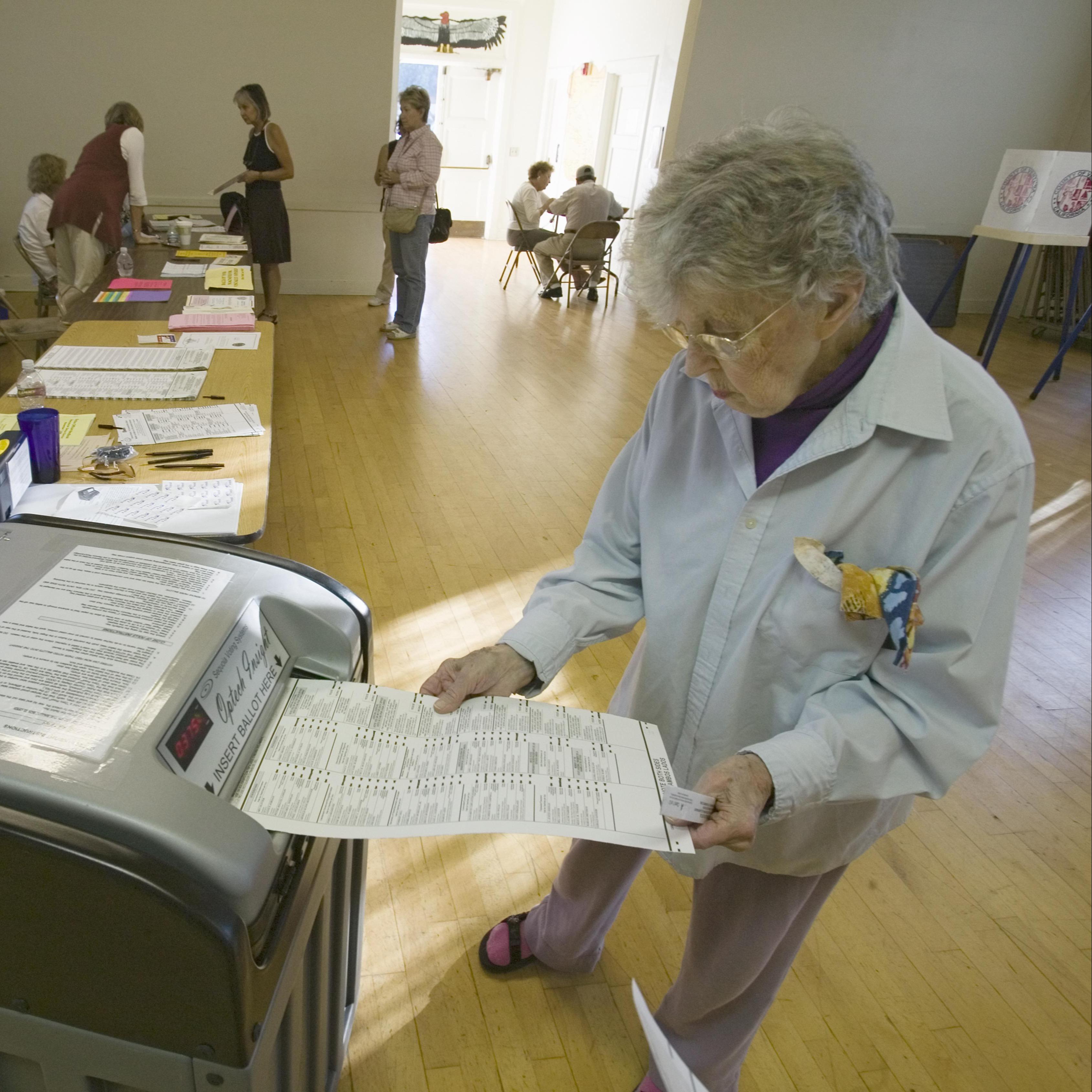

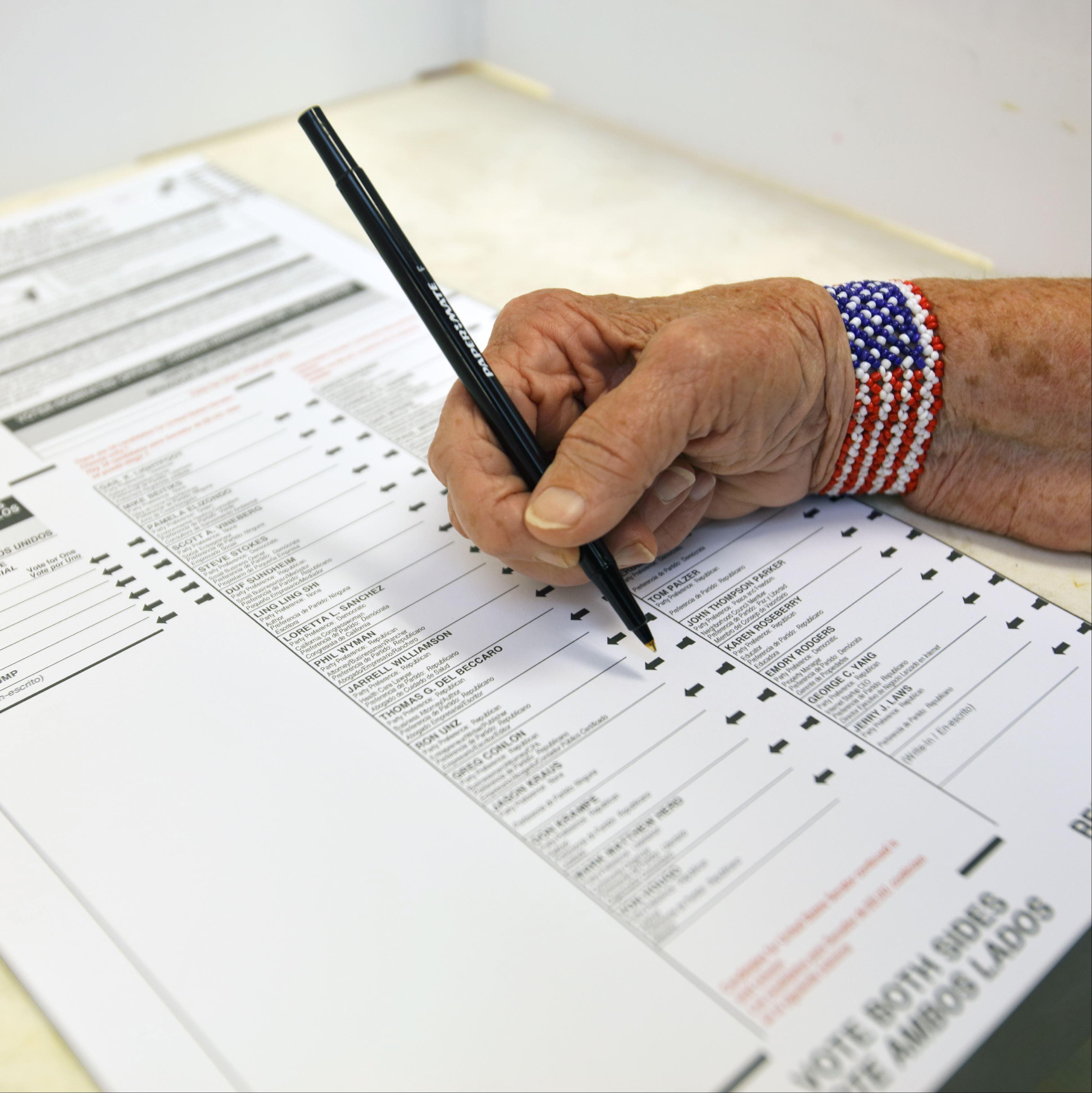



After the last vote is cast on Election Day, a crucial but often overlooked process begins. This is the official, step-by-step journey of how a vote in Kentucky becomes a certified congressional result, ensuring every voice is properly counted.
The First Step: County-Level Canvassing
The certification journey begins at the local level with Kentucky’s 120 County Boards of Elections. Each county board is responsible for the initial tally and review of the votes cast within its jurisdiction. This process, known as canvassing, involves confirming that the number of ballots cast matches the number of voters who checked in and ensuring all valid votes—including those from early voting and absentee ballots—are counted accurately. These boards are composed of the County Clerk, who serves as chair,
and other members appointed by the State Board of Elections. They are the first line of defense in ensuring the integrity of the vote count. The process is methodical and designed to catch any clerical errors or discrepancies at the precinct level before the results move up the chain.
Sending Results to the State
Once the county-level canvass is complete, the results don't become official just yet. The County Boards of Elections must certify their local vote totals and transmit them to Kentucky's Secretary of State. According to state law, counties are required to certify their results to the State Board of Elections no later than noon on the Friday immediately following the election. This deadline ensures that all counties report their data in a timely and uniform manner, creating a comprehensive, though still unofficial, statewide picture of the election outcome. The Secretary of State, as the Commonwealth's chief election official, receives these certified totals from all counties. This step aggregates the 120 separate county results into one master file for state-level review.
The Final Seal: The State Board of Elections
The ultimate authority for certifying federal elections, including for the U.S. House of Representatives and Senate, rests with the Kentucky State Board of Elections. This bipartisan board is an independent state agency tasked with administering the state's election laws. No later than the third Monday after the election, the State Board of Elections convenes to officially count, tabulate, and certify the returns it has received from the Secretary of State. It is at this meeting that the board reviews the statewide totals, resolves any final questions, and formally declares the winners. Once the board signs off, it issues official certificates of election to the successful congressional candidates. One copy is sent to the candidate, and for congressional races, another is sent to the Clerk of the U.S. House of Representatives.
What if the Race Is Close?
Kentucky law has specific procedures for recounts and election contests. For congressional races, an automatic recount is triggered if the margin of victory is 0.5% or less of the total votes cast. In these situations, the state pays for the recount, which must begin by the second Tuesday following the election and be completed within 14 days. Candidates can also request a recount even if the margin is not that close, but they must do so within 10 days of the election and are responsible for the costs. A recount is a straightforward retabulation of the votes. An election contest, by contrast, is a formal legal proceeding where a candidate challenges the outcome in court, which can include a request for a recount as part of the process. These mechanisms are built-in safeguards designed to ensure accuracy and build confidence in the final outcome, especially in tight races.