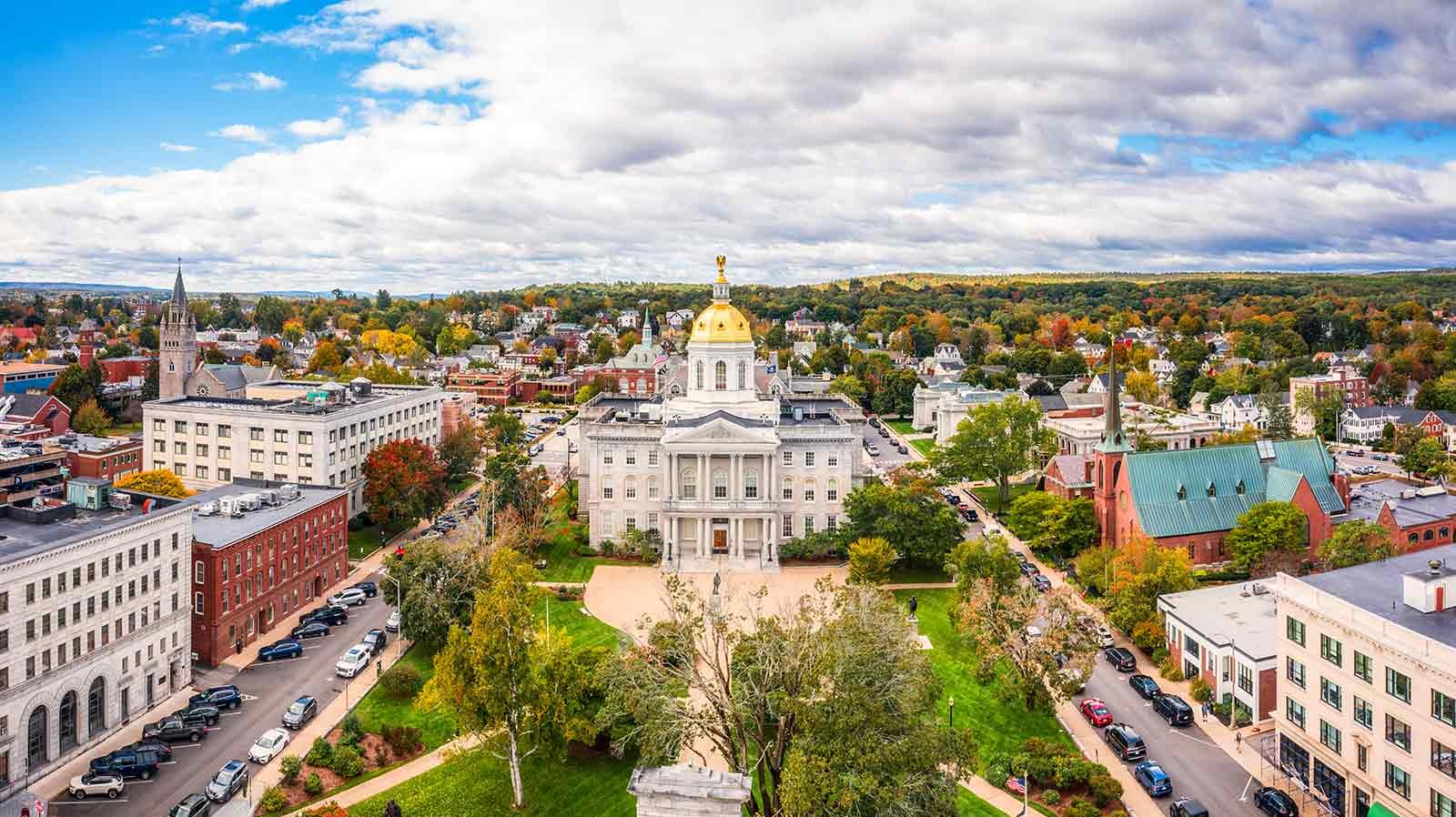




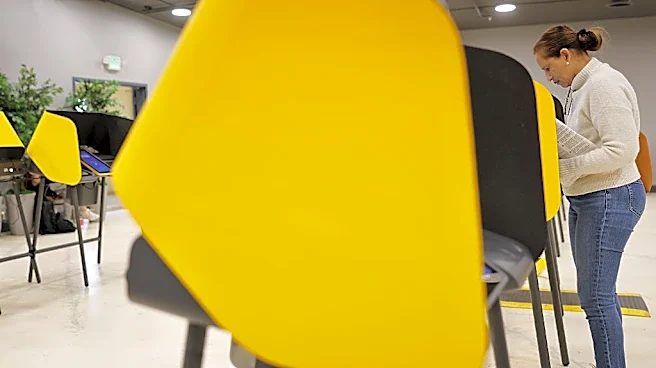

In a state famous for its first-in-the-nation primary, the mechanics of voting are surprisingly local. How New Hampshire assigns you to a specific polling place isn't a top-down decree; it’s a process rooted in centuries of local control.
It All Starts With Your Domicile
In New Hampshire, the single most important factor determining where you vote is your 'domicile', which is the legal term for your primary residence. It’s that one place you consider your true home. When you register to vote, you must provide proof of this address. This simple fact—your physical location—is the anchor for the entire system. Unlike some states with complex pre-registration laws, New Hampshire law allows you to register to vote right up to and on Election Day at your polling place, as long as you can
prove your identity, age, citizenship, and where you live. This approach reflects the state's independent streak, making the process more about your current status as a resident than about bureaucratic deadlines.
The Local Clerk Is in Charge
The New Hampshire Secretary of State's office provides the rules and maintains a statewide voter information lookup tool, but the real work happens at the municipal level. Your Town or City Clerk is the chief election official for your community. These officials, who are elected in towns and typically appointed in cities, are responsible for a wide range of civic duties, from issuing vehicle registrations and marriage licenses to managing all local, state, and federal elections. They work with a local board called the Supervisors of the Checklist, whose job is to maintain the official list of registered voters for the town or ward. This hyper-local management means the people running your election are often your neighbors, reinforcing a sense of community ownership over the democratic process.
Towns vs. Cities: A Tale of Two Systems
How your polling place is assigned depends heavily on whether you live in one of New Hampshire's 221 towns or 13 cities. In most small to mid-sized towns, the system is beautifully simple: there is only one polling place for the entire community. Everyone, from one end of town to the other, casts their ballot at the same location, often a school gymnasium, community center, or the town hall itself. However, in larger cities like Manchester, Nashua, and Concord, the population is divided into 'wards'. Each ward functions like its own voting precinct and has its own designated polling place. So, if you live in a city, your specific street address determines which ward you belong to, and therefore, which school or community hall you'll go to on Election Day.
How to Find Your Exact Polling Place
Given this local control, finding your polling station is straightforward. The most reliable method is using the 'Voter Information Lookup' tool on the New Hampshire Secretary of State's website. By entering your name and town of residence, you can confirm your registration status and see your assigned polling place, its address, and its hours of operation. You can also view a sample ballot for your specific districts. Alternatively, you can always contact your Town or City Clerk's office directly. Since they are the primary administrators of elections in your area, they will have the most accurate and up-to-date information. This is especially helpful if you've recently moved or are a first-time voter.
What Happens When You Move?
If you move to a new address, you must update your voter registration. If you move within the same town or city ward, your polling place might not change, but it’s crucial to update your domicile address with the town clerk to ensure the voter checklist is accurate. If you move to a different town or a new ward in a city, you are no longer registered to vote at your old polling place. You will need to re_register in your new community. You can do this at your new town or city clerk's office ahead of time or simply show up at your new assigned polling place on Election Day with the required documentation to register and vote all at once. This flexibility ensures that moving doesn't become a barrier to participating in an election.