
The Statewide Coordinator: The Secretary of State
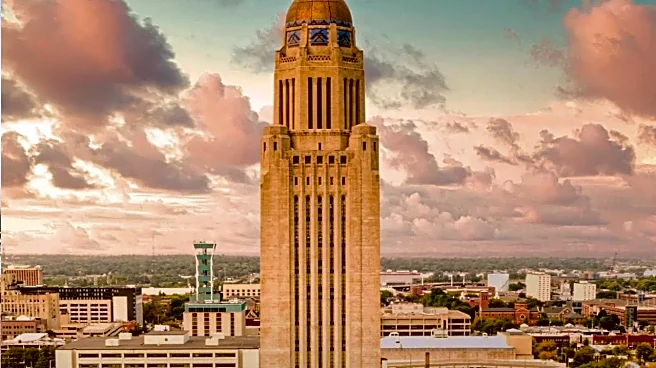
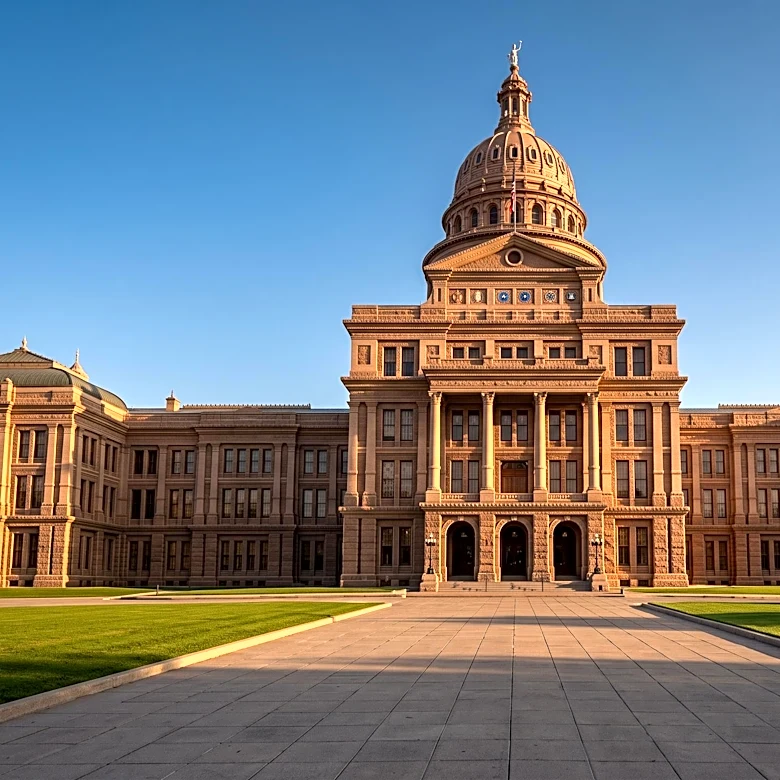
At the top of the pyramid is the Nebraska Secretary of State, who serves as the state's chief election officer. This office doesn't run every local polling place directly, but it plays a critical role in ensuring consistency and integrity across all 93 counties. The Secretary of State's office oversees the state's election laws, manages the statewide voter registration system, and certifies the election tabulation equipment used to count votes. They also accept candidate filings for statewide offices, compile official results for major races, and handle filings for initiatives and referendums. Think of this office as the air traffic controller of Nebraska's elections—providing the rules, tools, and oversight to ensure every county is on the right
flight path for a secure and fair election.
The Local Leaders: County Clerks and Commissioners
While the state sets the guidelines, the real hands-on work of running elections happens at the county level. In most of Nebraska's counties, the elected County Clerk is in charge of elections. However, in more populous counties—those with over 100,000 residents, like Douglas County—the law requires a governor-appointed Election Commissioner who is solely dedicated to this task. These county officials are responsible for the nitty-gritty details: registering voters, maintaining local voting records, training poll workers, and, most importantly, counting the ballots and reporting the results. They manage everything from sending out mail-in ballots in counties that use them to securing polling places for in-person voting. This localized approach means the person overseeing your vote is often a member of your own community.
The Frontline Crew: Poll Workers
On Election Day, the system relies on a small army of temporary poll workers. In a county like Douglas, it can take up to 3,000 people to properly administer an election. These are the individuals who check you in at your polling place, issue your ballot, and ensure the process runs smoothly and fairly. Poll workers are trained by the county election office and are essential for opening and closing the polls, assisting voters, and safeguarding the ballots. Nebraska law also includes a key integrity measure: requiring a diversity of political party representation among poll workers at each site to ensure no single party has a monopoly. This system of checks and balances, with workers from different parties overseeing one another, is a fundamental part of maintaining public trust in the process.
How It All Fits Together
Nebraska's election system is a partnership. The Secretary of State provides uniform guidance and resources, but the county election officials execute the plan, tailoring it to their local needs while adhering to state and federal laws. For instance, the state office provides the tools and certifies the equipment, while the county commissioner or clerk is responsible for using those tools to count votes and verify signatures on mail-in ballots. After the county officials complete their initial counts, the results are sent to the state for final certification by the Board of State Canvassers. This decentralized but interconnected structure is designed to build trust. When issues arise, voters can often turn to a local official they know, rather than a distant state or federal agency.