





The Statewide Director: The Secretary of State
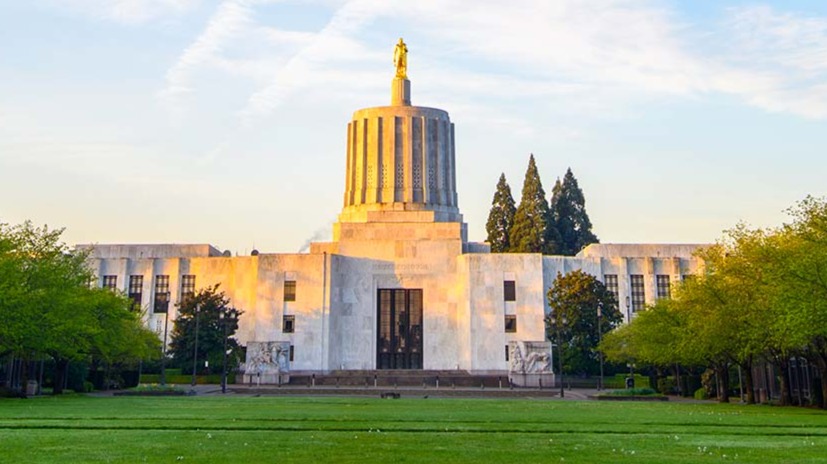
Think of Oregon’s Secretary of State as the director of a major film production. They aren't holding the camera or acting in the scenes, but they are the state's chief elections officer, responsible for ensuring the entire process follows the same script. The Secretary of State’s office, through its Elections Division, sets the rules and directives that all 36 counties must follow. This includes maintaining the statewide voter registration database, publishing the comprehensive Voters' Pamphlet sent to every household, and investigating any alleged violations of election law.Their job is to provide consistency and oversight. They ensure that whether you live in Portland or a small rural community, the fundamental rules of the election are the same.
When all the votes are counted at the local level, the Secretary of State performs the final act: compiling the results from every county and issuing the official statewide certification that makes the election results final. They provide the seal of approval, but the day-to-day work happens much closer to home.
The Local Workhorses: Your County Clerk
If the Secretary of State is the director, then Oregon’s 36 county clerks are the tireless on-the-ground producers and crew chiefs. They are the true engine of Oregon's elections. When you ask who runs elections in the state, the most accurate answer is these locally elected officials. Each county clerk is the chief election official for their jurisdiction, responsible for nearly every practical aspect of voting.Their duties are extensive: they manage voter registration rolls for the county, design the local ballot, and are responsible for accurately printing and mailing ballots to every registered voter. Once voters start returning their ballots, the clerk's office is where the critical work of signature verification takes place, a key security step. They also manage all official ballot drop sites. Essentially, from the moment a ballot leaves the print shop to the moment it's securely counted, it is under the care and control of the county clerk and their staff. This decentralized model is a core feature of the system, designed to keep election administration local and accountable to the community it serves.
The Front Lines: Temporary Election Workers
Running an election is a massive logistical undertaking that requires a temporary army of citizen workers. During a major election, county clerks hire hundreds, sometimes thousands, of temporary employees to handle the flood of ballots. These are your neighbors, friends, and fellow Oregonians who step up to make democracy function.These workers perform some of the most critical and detail-oriented tasks. They staff the bipartisan teams that conduct signature verification, where the signature on every single return envelope is compared against the one on file. This is a painstaking process done by trained individuals from different political parties to ensure fairness. Once a signature is verified, other teams of workers are responsible for carefully separating the ballots from their envelopes to protect voter secrecy before the ballots are sent to be tabulated. This human element is fundamental to the integrity and transparency of the process, ensuring that the system is not just a machine but a community effort.
From Counting to Certification: Making it Official
After the 8 p.m. deadline on Election Day, the counting begins in earnest, but the results you see on TV are not yet final. The process of making them official, known as the canvass, is deliberate and methodical. For days and sometimes weeks after the election, county election offices are still working. They are processing ballots that were postmarked by Election Day but arrived later, and they are helping voters "cure" or fix issues with their ballots, such as a missing signature.Once all valid ballots are counted, the county clerk oversees a public process to certify the local results, attesting to their accuracy. To double-check their work, counties are also required by law to conduct post-election audits, which involve hand-counting a random sample of ballots to ensure the machine tabulation was correct. Only after this rigorous local process is complete are the certified results sent to the Secretary of State, who then performs the final statewide certification. This multi-step verification ensures the final result is trustworthy and accurate.