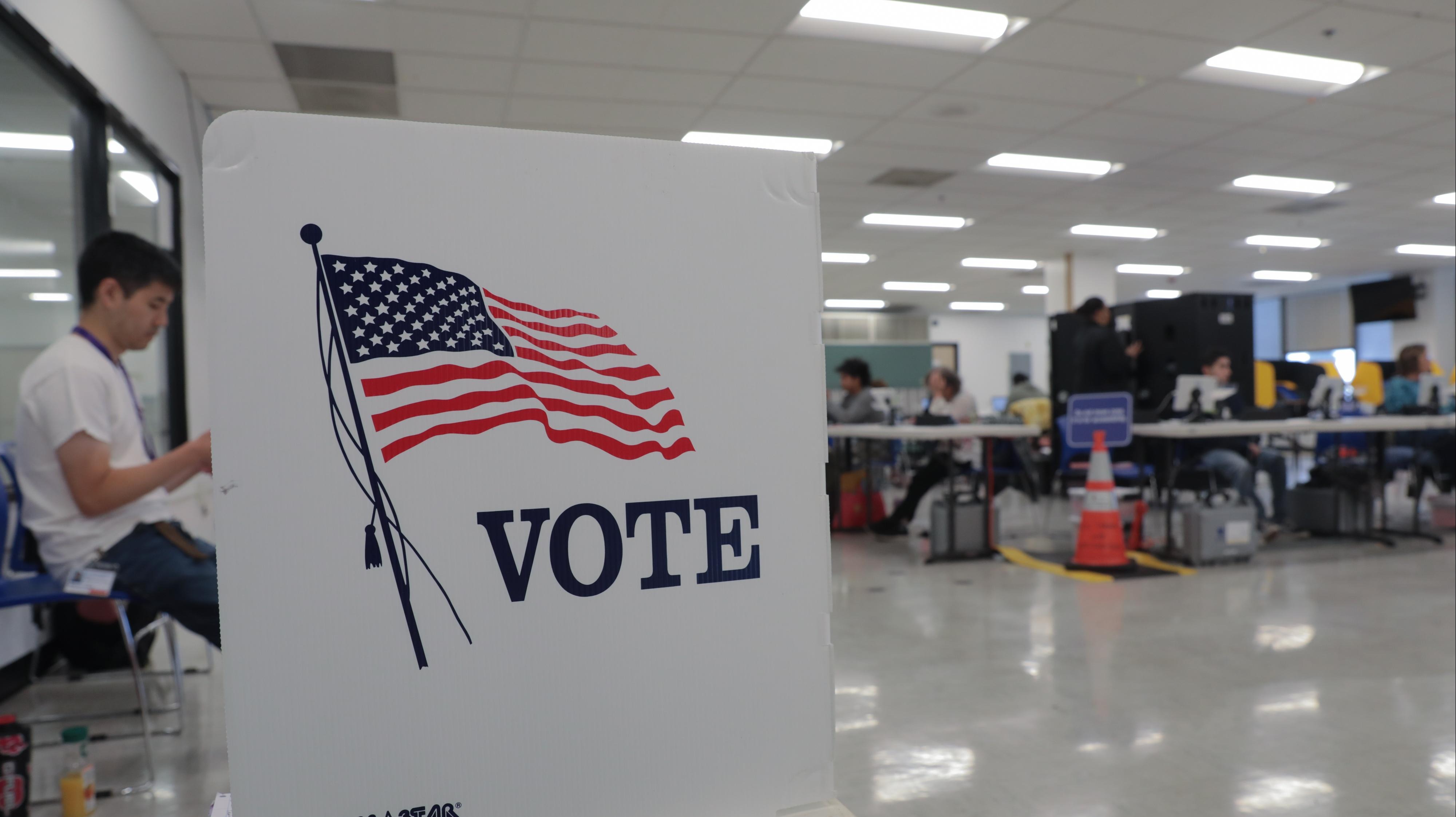








In a state larger than Texas, California, and Montana combined, running an election is a massive logistical challenge. Assigning every voter to the right polling place requires a blend of modern technology and old-fashioned resourcefulness.
The Foundation: Your Residential Address
The entire process of assigning a polling place in Alaska begins with a single, crucial piece of information: your physical residence address. When you register to vote, the Alaska Division of Elections requires you to provide the address where you actually live. This can't be a P.O. box or a commercial mail drop; it must be the location you claim as your home. This address is the anchor that ties you to a specific spot on the electoral map. For most Alaskans living in cities or on the road system, this is straightforward—a
house number and a street name are all that's needed. This information is then cross-referenced, often with data from the Permanent Fund Dividend (PFD) application, to ensure records are current.
From Address to Precinct
Once your address is in the system, the Division of Elections uses it to place you into a specific voting precinct. A precinct is the smallest voting district, a defined geographical area whose residents all vote at the same location. Alaska is divided into 441 of these precincts. The Division maintains detailed street-level maps and databases that connect every residential address to its corresponding precinct. Think of it like a school district boundary, but for elections. If you live on one side of a street, you're in Precinct A; on the other side, you're in Precinct B. These assignments are what ensure you get the correct ballot with the candidates and issues relevant to your specific area.
The Challenge of Remote and Rural Alaska
But what happens when there are no streets to map? Over half of Alaska's precincts are in remote areas, many accessible only by boat or plane. In these communities, traditional addresses often don't exist. The Division of Elections has a solution for this uniquely Alaskan problem. For voters in rural Alaska, simply providing the name of the community can be sufficient for your residence address on your voter registration. Election officials understand the on-the-ground reality and can assign voters to a precinct based on their residence within a specific village or settlement. In these cases, the 'polling place' might be a community hall, a tribal office, or even a school. The system is built to be flexible enough to accommodate the diverse living situations across the state.
How You Find Out Where to Go
The state doesn't just assign you a location and hope you find it. After you register or update your information, you receive a new voter ID card in the mail that lists your precinct and polling place. But if you lose it or are unsure, the Division of Elections offers several tools. The easiest method is the online 'Precinct Locator' or 'My Voter Information' portal, where you can enter your address to get your polling place details. You can also call your regional elections office directly for assistance. On Election Day, polls are open from 7 a.m. to 8 p.m., and it's crucial to go to your assigned location, as your name will not be on the voter roll at any other site.
A System Built for the Last Frontier
Ultimately, Alaska's method for assigning polling places reflects its character: a pragmatic approach that leverages technology where possible and relies on local knowledge where it's not. The centralized system, managed entirely by the state's Division of Elections, aims for consistency whether you live in downtown Anchorage or a remote village in the Aleutian Islands. While most voters will simply look up an address online, the underlying work involves intricate mapping, managing logistics for hundreds of remote sites, and ensuring that every eligible Alaskan, no matter how far off the road system they live, has a designated place to cast their vote.