



The Short Answer: The Secretary of State
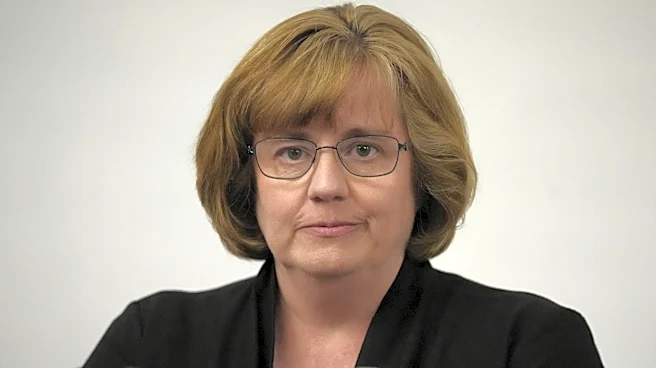
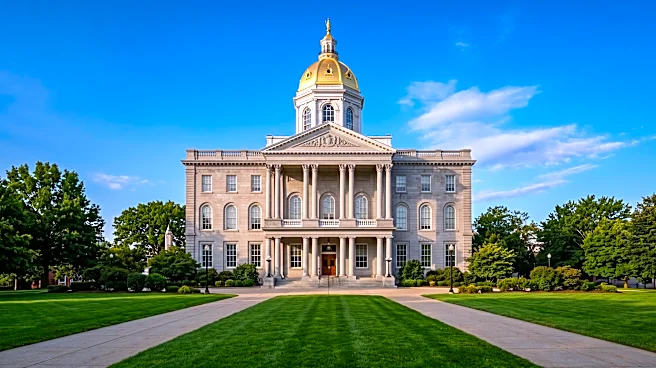
On paper, New Hampshire's chief election official is the Secretary of State. As of late 2026, this position is held by David Scanlan. Unlike in many other states where the public elects the secretary of state, New Hampshire's is chosen every two years by a joint vote of the state legislature, known as the General Court. The Secretary of State's office is responsible for a wide range of election duties, including preparing and distributing ballots, overseeing the voter information system, and certifying the final results of all state and federal elections. The office also produces the official election procedure manual and political calendar that guides the entire process. So, if you're looking for the single highest-ranking person tasked with
overseeing elections statewide, the Secretary of State is your answer.
The Real Answer: A Shared Responsibility
Here's where New Hampshire gets interesting. The Secretary of State doesn't run elections alone. The U.S. is known for its decentralized election system, and New Hampshire takes that principle to heart. The state operates on a model of shared power where significant authority rests with local and specialized officials. Two other major players have critical roles: town and city clerks, and the Ballot Law Commission. This structure is designed to keep election administration close to the people, but it also means that responsibility is spread across different bodies, each with its own specific jurisdiction. Understanding this system is key to understanding how votes are cast, counted, and confirmed in the Granite State.
The Ground Game: Town and City Clerks
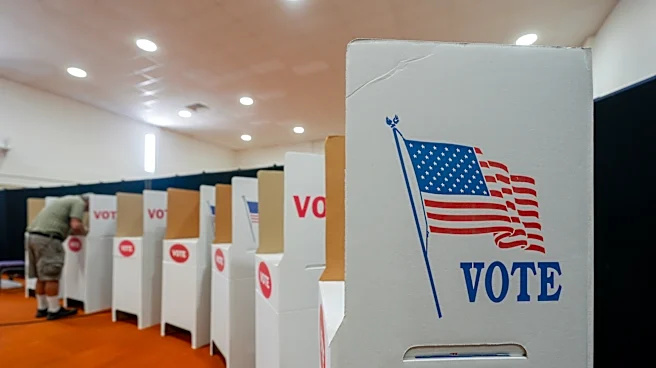
In New Hampshire, much of the practical, on-the-ground work of running an election falls to the 234 town and city clerks. These local officials are often described as the true chief election officials of their own communities. They are responsible for everything from registering voters and processing absentee ballot requests to preparing the physical polling locations and creating the local ballots. On Election Day, they work alongside a locally elected Moderator, who acts as the chief officer of the polling place, and Supervisors of the Checklist, who maintain the voter rolls. This hyper-local control is a hallmark of New Hampshire's civic life. While the Secretary of State provides the framework and rules, it’s the local clerks who execute the election, making them the most visible and vital part of the process for most voters.
The Referees: The Ballot Law Commission and Attorney General
When disputes arise, another body steps in: the Ballot Law Commission. This five-member, bipartisan board is appointed by the Governor, the Speaker of the House, and the Senate President. It's their job to hear and decide on challenges related to everything from candidate eligibility and the placement of names on the ballot to recounts. The Secretary of State serves as the clerk for the commission but gets no vote in its decisions. Furthermore, the state's Attorney General is responsible for enforcing all election laws. The Attorney General's office investigates complaints of election law violations and can deploy investigators to polling places on Election Day to ensure compliance. This creates another layer of checks and balances, separating the administration of elections (Secretary of State) from the adjudication of disputes (Ballot Law Commission) and the enforcement of the law (Attorney General).
Why This Unique Structure Matters
New Hampshire's decentralized system reflects its deep-seated political culture of local control. Proponents argue that it makes election officials more accessible and accountable to the voters they serve. Instead of a single, distant bureaucrat, citizens interact with clerks and moderators from their own community. However, this structure can also create challenges. With power so widely distributed, ensuring absolute uniformity across all 234 jurisdictions can be difficult, a fact noted in a 2020 study that ranked the state as one of the harder places to vote. It also means that any major statewide election reform requires coordination between the Secretary of State's office and hundreds of independent local officials. Ultimately, the answer to "who runs the election?" in New Hampshire is a team effort, a complex but enduring system built on shared responsibility rather than centralized authority.