



Ever wonder what happens after you cast your ballot? Vermont's process for certifying a federal election is a multi-step journey designed to ensure every vote is counted accurately. It's a system of checks, balances, and deeply rooted local trust.
It Starts at the Town Level
In Vermont, the story of an election result begins long before state officials ever see a tally. The entire system is built on a foundation of local control, with Town Clerks serving as the chief election officers for their communities. These officials, who are either elected or appointed, are responsible for everything from managing voter registration to overseeing the polls on Election Day. On election night, once the polls close, the initial count of the ballots takes place right there at the local level.
But these first numbers are always unofficial. In the 48 hours that follow, clerks undertake a more rigorous review. They analyze write-in votes and double-check their lists to make sure every ballot is accounted for. This is a meticulous, hands-on process that reflects the state's tradition of community-based governance. Any small changes between the election night numbers and these more refined tallies are normal and expected, a sign that the system of verification is working as intended.
The Canvassing Committee Convenes
After the local clerks complete their initial verification, the process moves to the state level for the official canvass. In Vermont, this isn't just one person signing a form; it's a committee designed for bipartisan trust. One week after the general election, a statewide canvassing committee meets to formally tally the returns for federal and statewide offices. This committee is composed of the Secretary of State and the chair (or a designee) from each of the state's major political parties. Their job is to aggregate the official returns sent in from every town and municipality. The term 'canvassing' simply refers to the formal process of reviewing and confirming the validity of the votes. It’s the crucial step that transforms the raw data from polling places into a single, official statewide result. This bipartisan structure ensures that representatives from different political viewpoints are all present to witness and validate the final count, reinforcing public confidence in the outcome.
Final Approval and Certification
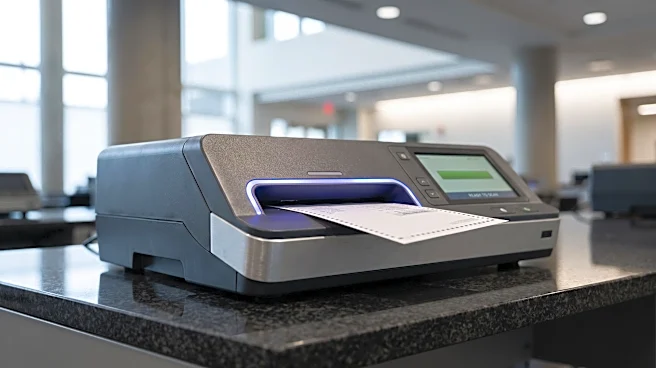
Once the canvassing committee has tallied the returns and resolved any discrepancies, it prepares a 'certificate of election' for the winning candidates. This document is the formal declaration of the results. However, for state-level offices, the committee prepares the certificate but doesn't sign it immediately. Instead, it is presented to a separate canvassing committee appointed by the General Assembly, which makes the final adoption of the results. This adds another layer of legislative oversight. The signed and certified results are what make an election's outcome official—they have legal force, unlike the 'called' races you see on the news. After this, the Secretary of State is legally required to conduct a random, post-election audit within 30 days. This audit of randomly selected ballots against machine counts provides a final, statistical check to ensure the equipment tabulated votes correctly, closing the loop on a process built for accuracy and transparency.
A System Built on Local Trust
What makes Vermont's process distinct is its profound reliance on local officials. Unlike in many states where county_level bodies are the primary election administrators, Vermont empowers its Town Clerks. These clerks are deeply embedded in their communities, often handling everything from land records to marriage licenses, and voters know them personally. This hyper_local model fosters a high degree of public trust and accountability. Voters aren't dealing with a faceless bureaucracy but with neighbors who are legally bound to uphold a transparent process. The certification system, from the local clerk's initial count to the bipartisan state canvass, is a deliberate, methodical journey. It’s not designed for the instant gratification of election night news reports but for any durable, verifiable accuracy that underpins a functioning democracy.