


The Smallest Slice of Democracy
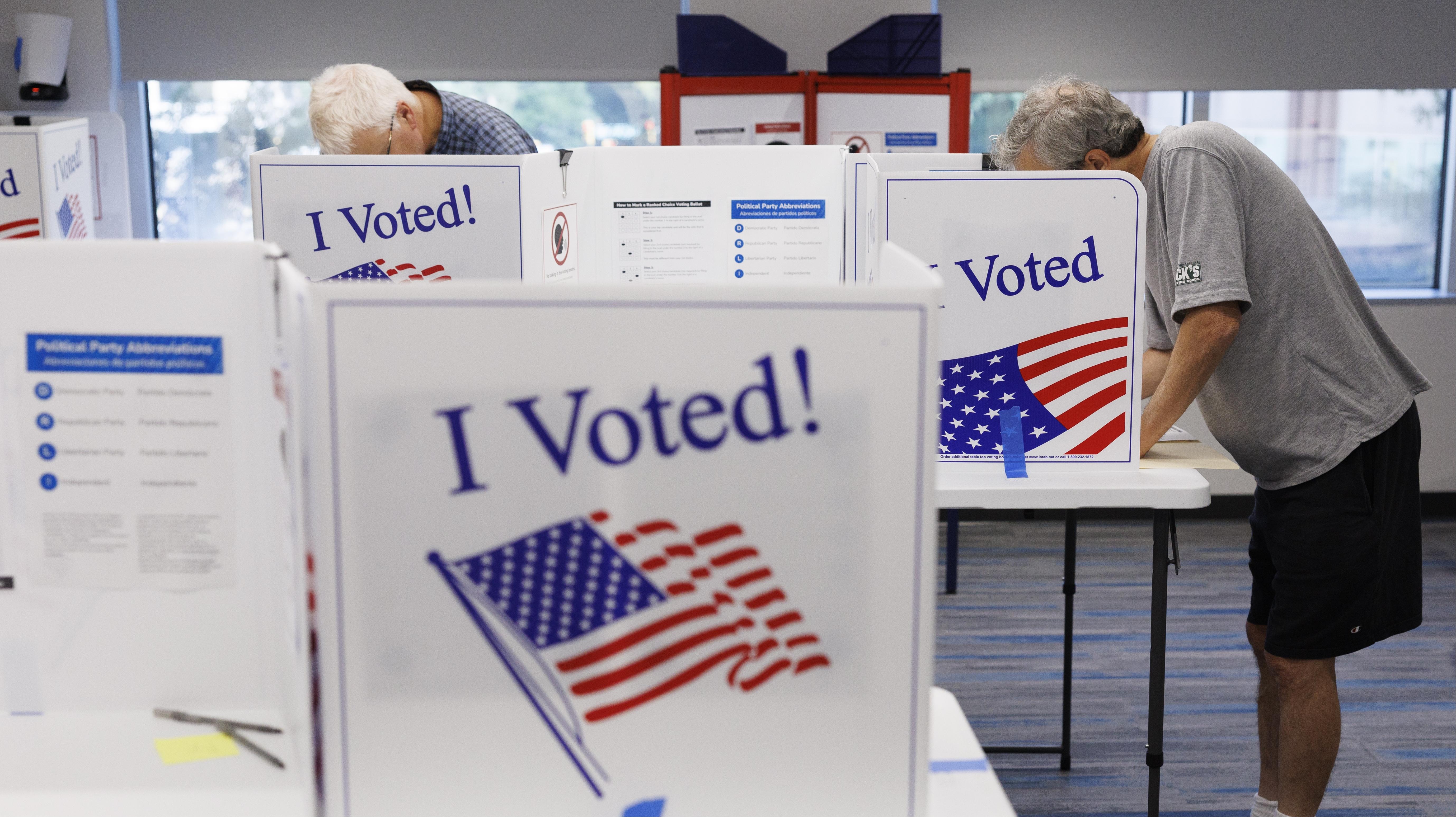
Think of a precinct as your political neighborhood. Officially called an 'election district' in Pennsylvania law, it's the smallest geographic unit in the electoral system. It’s a defined area of a town or city where all registered voters are assigned to cast their ballots at the same polling place. This ensures that everyone in a specific area votes on the same set of hyper-local, state, and federal races. The boundaries are drawn by county officials and are meant to be compact, contiguous areas that make voting as convenient as possible for citizens. While the terms 'precinct' and 'election district' are often used interchangeably, the latter is what you'll find in the state's legal code.
So, How Many Are There?
Pennsylvania is a massive state, and to manage elections,
it's broken down into thousands of these small districts. As of recent counts, there are over 9,000 precincts across the Commonwealth's 67 counties. This number isn’t set in stone; it can fluctuate slightly over time. As populations shift, counties have the authority to redraw precinct lines, split a growing precinct into two, or consolidate smaller ones to better serve voters. For example, a precinct might be created to accommodate a new housing development, or two might be merged if population declines. The goal, according to state law, is generally to keep the number of registered electors in a single district under 1,200 to prevent long lines and logistical headaches on Election Day.
More Than Just a Polling Place
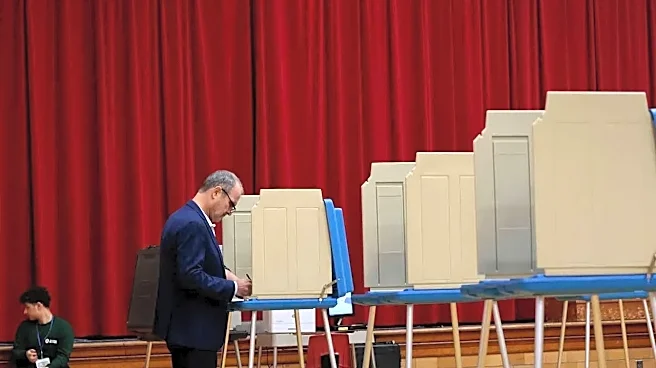
A precinct is much more than just the fire hall or school gymnasium where you vote. It's the foundational building block for all other political districts. State House, State Senate, and U.S. Congressional districts are all constructed by grouping precincts together. Because of this, your precinct determines not only who you vote for in a presidential race, but also your specific representative in Harrisburg and Washington, D.C. It also dictates the candidates you’ll see for city council, school board, and other municipal positions. This is where the phrase 'all politics is local' truly comes to life. The precinct is where big-picture politics meets your actual street address, defining the community of voters you belong to and the specific local issues on your ballot.
The People of the Precinct
Each precinct isn't just a geographical area; it's also a hub of grassroots political activity run by your neighbors. Pennsylvania is unique in that it elects some of its poll workers. At each polling place, a Judge of Elections, a Majority Inspector, and a Minority Inspector are elected officials responsible for the fair and smooth operation of the election in that precinct. Furthermore, political parties are organized at this level. Each party can have elected 'precinct committeepeople'—volunteers who act as the party's direct link to the voters in that neighborhood. They are responsible for registering new voters, sharing information about candidates, and encouraging turnout on Election Day. These individuals are often the first point of contact between a voter and a political party.