

The Basic Building Block of Your Vote
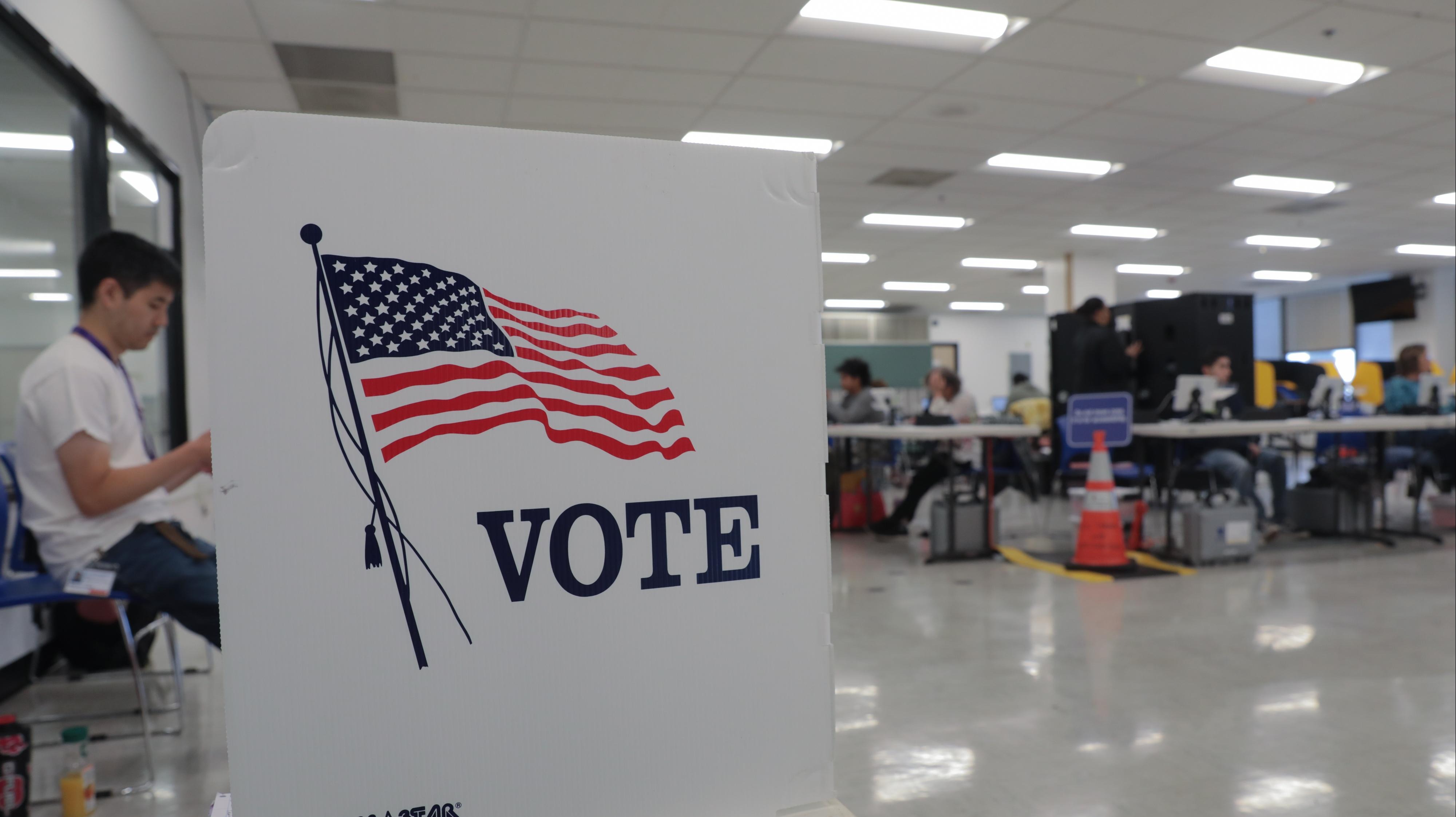
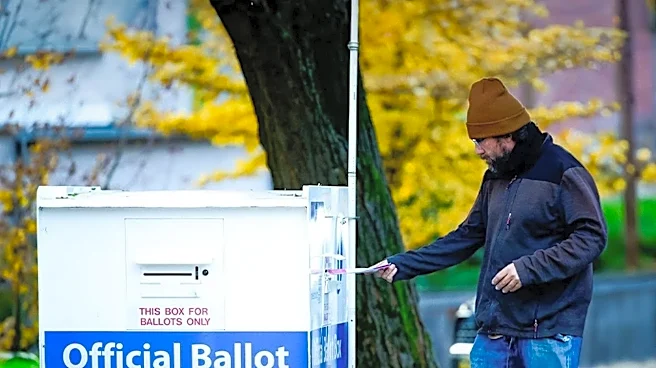
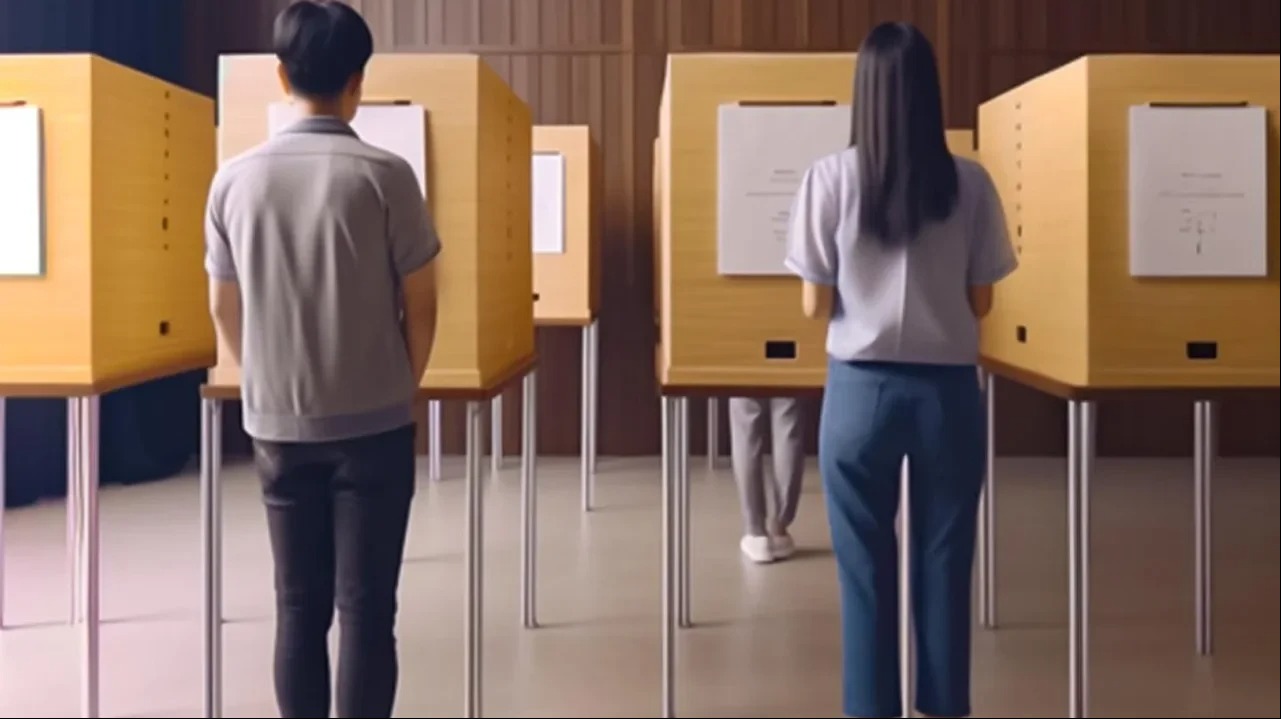
At its simplest, a voting precinct is the smallest political geography in the election system. It’s a defined area, like a neighborhood or a cluster of streets, where all residents vote on the same ballot. Think of it as your specific electoral home base. County clerks draw these boundaries to make voting manageable, ensuring everyone in your precinct is voting for the same city council member, state representative, and other local races. In the past, this also meant everyone went to the same physical polling place. While Utah's widespread vote-by-mail system has changed that dynamic, the precinct remains the core organizing principle for every election. It’s how officials know which specific ballot to send to your mailbox.
So, How Many Precincts Are There?
As of September 2026,
Utah is divided into 3,341 distinct voting precincts and sub-precincts. This number isn’t static; county clerks can adjust precinct boundaries periodically to account for population shifts, new housing developments, and municipal annexations. The goal is to keep precincts roughly equal in population and to facilitate voting. State law used to cap the number of active voters in a precinct, but modernizations like Vote Centers and electronic poll books have made those rules more flexible. Now, counties have more leeway to draw lines that make administrative sense, avoiding tiny, inefficient 'split precincts' that can complicate ballot creation and even compromise the secrecy of the ballot in very small voting groups.
The Real Power: Utah's Caucus System
In Utah, the precinct is much more than an administrative tool for elections; it is the heart of the state’s influential caucus system. On a designated evening in even-numbered election years, political parties hold neighborhood meetings in each precinct across the state. At this single event, you and your neighbors gather in person to do something profoundly important: elect delegates. These delegates are chosen to represent your precinct's interests at county and state party conventions. It is at these conventions where delegates vote on which candidates will get the party's official nomination and appear on the primary or general election ballot. Because turnout for these caucus nights is often small, a handful of engaged neighbors can have an outsized impact on who gets selected.
Why Your Precinct Matters to You
Understanding your precinct is the first step toward having a real, tangible impact on Utah politics. Because of the caucus system, the path to public office often begins in these small neighborhood gatherings. Candidates who win a supermajority of delegate votes at a convention can bypass a primary election altogether. This means that the delegates chosen in your precinct meeting could be the ones who effectively decide a race before most voters even see a ballot. Beyond delegates, caucus meetings also elect precinct officers like a chair, vice-chair, and secretary. These are your neighbors who serve as the local grassroots organizers for the party, connecting your community directly to the county and state party leadership. If you've ever felt like politics is something distant and untouchable, getting involved at the precinct level is the antidote. It's the most direct, ground-floor way to make your voice heard and influence the direction of your community and state.