




The Four-Year Term
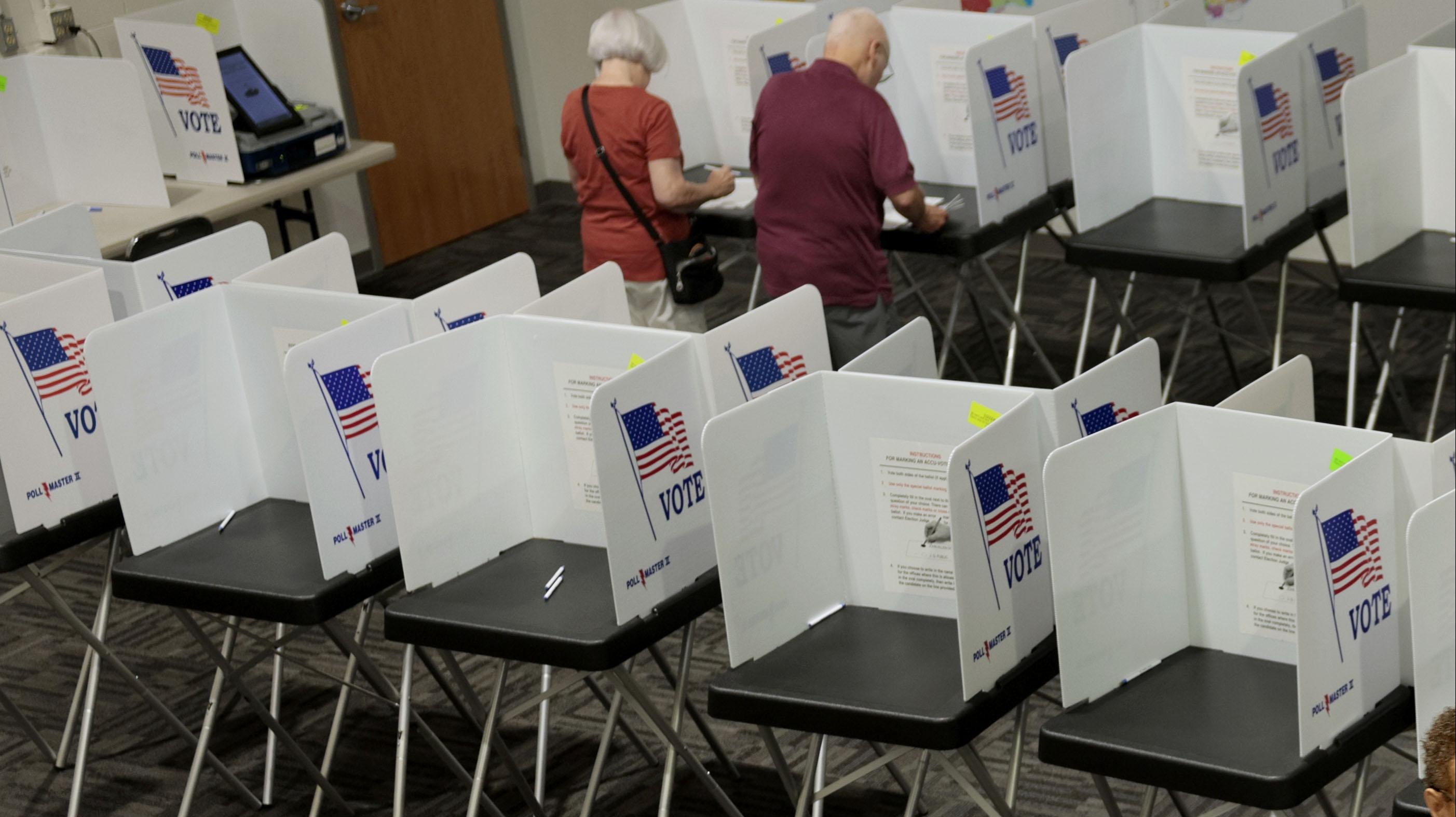
The Governor of Pennsylvania serves a four-year term in office. This term begins on the third Tuesday of January after their election. This four-year cycle, which is common for most governorships across the United States, is designed to give the chief executive enough time to implement their policy agenda and see at least some of their initiatives through. The state's constitution has evolved over time; earlier versions featured shorter terms. The 1790 constitution set a three-year term, while the 1874 constitution established the four-year term but prohibited a governor from succeeding themselves. The current structure was established by the constitution of 1968. Elections for governor in Pennsylvania are held during midterm election years,
meaning they occur in even-numbered years that are not presidential election years.
The Two-Term Limit Rule
While a governor can run for reelection, they are limited to two consecutive four-year terms. After serving two back-to-back terms, a governor is ineligible to run for a third straight term. However, Pennsylvania's term limits are not lifetime. The rule specifically restricts consecutive terms. This means a governor who has served two terms can run for the office again after sitting out for at least one full four-year term. This system prevents one individual from holding the executive office for an extended, uninterrupted period while still allowing popular and effective leaders to return to the role after a hiatus.
The Chief Executive and Commander-in-Chief
As the head of the executive branch, the governor's primary duty is to "take care that the laws be faithfully executed." This involves overseeing the vast machinery of the state government, including numerous departments, agencies, and commissions that handle everything from education and transportation to health and environmental protection. To run this apparatus, the governor has significant appointment power. They nominate cabinet secretaries—such as the Secretary of Education and Secretary of Health—who must then be confirmed by the state Senate. Most cabinet appointments require a majority vote in the Senate, but some key positions require a two-thirds majority. The governor also serves as the commander-in-chief of the Commonwealth's military forces, the Pennsylvania National Guard, except when they are called into federal service.
Shaping Laws with the Veto Pen
Perhaps the governor's most significant influence over the legislative process is the veto power. Every bill passed by the General Assembly must be presented to the governor for their signature. If the governor disapproves, they can veto the bill, returning it with objections to the legislature. Overriding a governor's veto is a high hurdle, requiring a two-thirds vote in both the House and Senate. Pennsylvania's governor also wields a powerful tool that the U.S. President does not have: the line-item veto. This allows the governor to reject individual spending items within an appropriations bill without having to veto the entire budget. This authority gives the governor tremendous leverage during budget negotiations, as they can surgically remove specific projects or funding lines they deem unnecessary or wasteful.
Judicial Influence and the Power of Clemency
The governor's power extends into the judicial realm, primarily through appointments and the clemency process. When a vacancy occurs on a state court, the governor is responsible for appointing a replacement to fill the seat until the next appropriate election. Additionally, the governor has the power to grant pardons, reprieves, and commutations of sentences. However, this power is not absolute. The governor can only grant clemency upon a favorable recommendation from the Board of Pardons. This board consists of the Lieutenant Governor (who serves as chair), the Attorney General, and three other members appointed by the governor and confirmed by the Senate. This check ensures that decisions on pardons are made with deliberation and input from multiple officials.