



The Ballot's First Steps: Collection and Transport
Whether you vote in person on Election Day, participate in early voting, or vote by mail, your ballot begins its journey in a sealed, secure container. At in-person polling places, voted ballots are placed into locked boxes. At the end of each early voting day and on election night, election judges must reconcile the number of voters with the number of ballots cast before securing the machines and ballot boxes. These locked boxes, along with digital memory cards from voting machines, are then securely transported from the polling location to a designated county facility, often called the central counting station. This transfer maintains a strict chain of custody, ensuring every ballot is accounted for from the precinct to the counting hub.
Welcome to the Central Counting Station
The
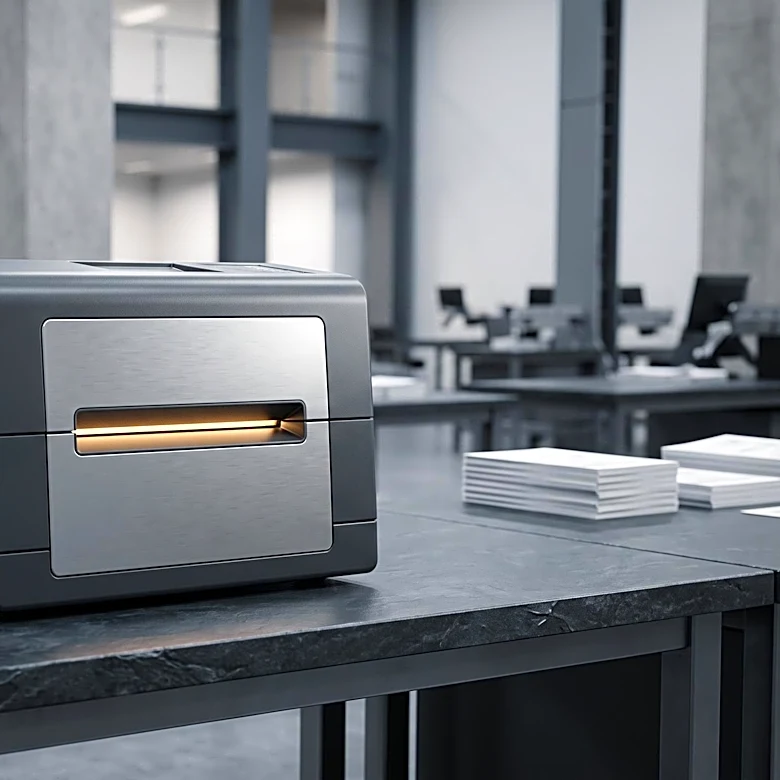
central counting station is the secure nerve center for all ballot tabulation. It's a restricted-access area managed by election officials, and in counties with more than 100,000 people, it is under 24/7 live-streamed video surveillance from the moment ballots arrive until the election is officially certified. State law also requires a licensed peace officer to be present to ensure security. The work here is performed by election workers and, crucially, a presiding judge who maintains order. It’s in this controlled environment that the next critical phases of verification and tabulation take place.
Mail-In Ballots: The Verification Gauntlet
Ballots received by mail go through a special, meticulous review process run by the Early Voting Ballot Board (EVBB), a bipartisan group of election workers. The first step is to examine the carrier envelope. The board verifies that the voter's ID number—like a driver's license or partial Social Security number—on the envelope matches their voter registration record. They then compare the voter's signature on the envelope to the one on their ballot application. If the ID numbers match, the law presumes the signature is valid, but the board still performs a visual comparison. To reject a ballot for a signature mismatch, the board must find clear evidence the signatures were not made by the same person. This entire process is guided by a commitment to ensuring every valid mail-in vote is counted.
The Official Count: Tabulation and Audits
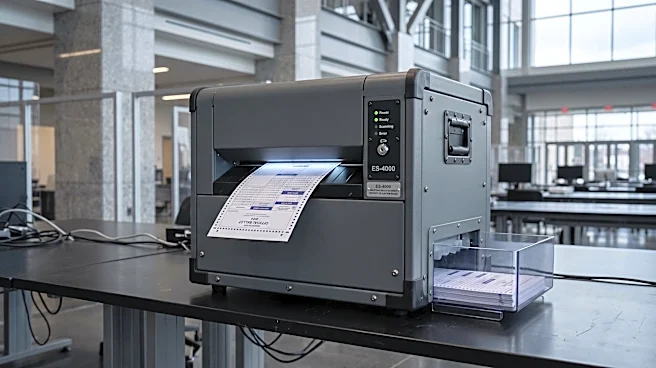
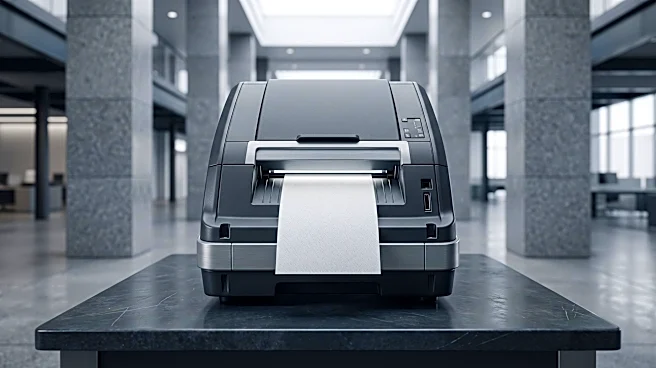
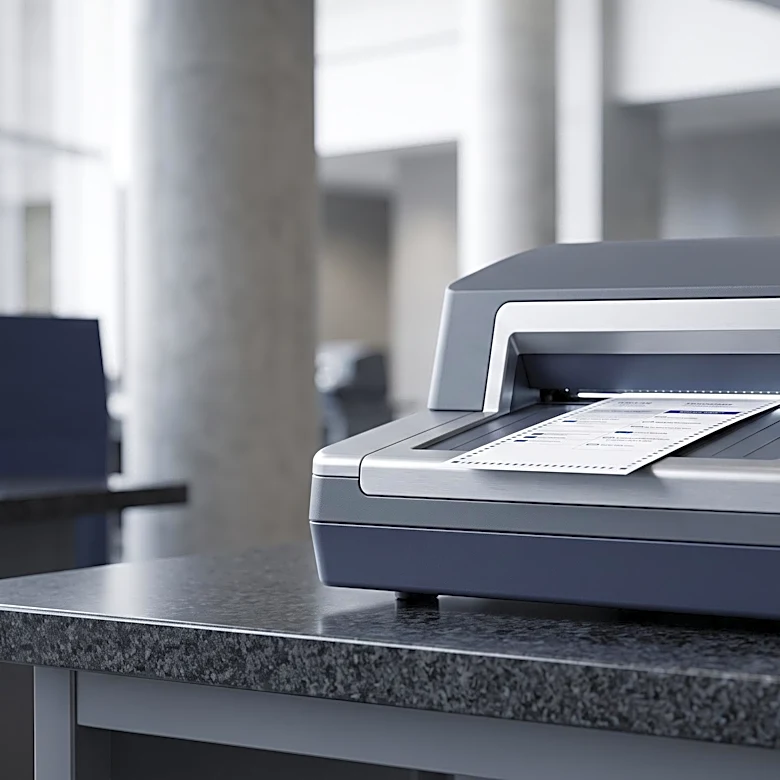
Once verified, mail-in ballots are ready to be counted alongside in-person votes. Most Texas counties use optical scan systems, where paper ballots (either hand-marked or printed from a ballot marking device) are fed into a scanner that tabulates the votes. These tabulation machines are not, and cannot be, connected to the internet. If a ballot is marked in a way the machine can't read, a bipartisan 'adjudication team' reviews it to determine voter intent. The initial results you see on election night are the unofficial totals from early voting and Election Day precincts. After the election, Texas also requires counties using electronic tabulators to conduct a partial manual recount of paper ballots from a small, randomly selected number of precincts to audit the machine's accuracy.
Making It Official: The Canvass
The results reported on election night are not the final word. The official, certified result comes days later through a process called the canvass. Before the canvass, election officials must finish counting any late-arriving but eligible mail-in ballots (like those from overseas military members) and process any valid provisional ballots. The local canvassing authority, typically the county commissioners court, then meets to formally review and approve the final vote totals. This meeting reconciles all votes cast and produces the official, certified election results. This final step is the formal conclusion of the ballot's journey, turning unofficial totals into a confirmed outcome.