



The Short Answer: An Open Primary State
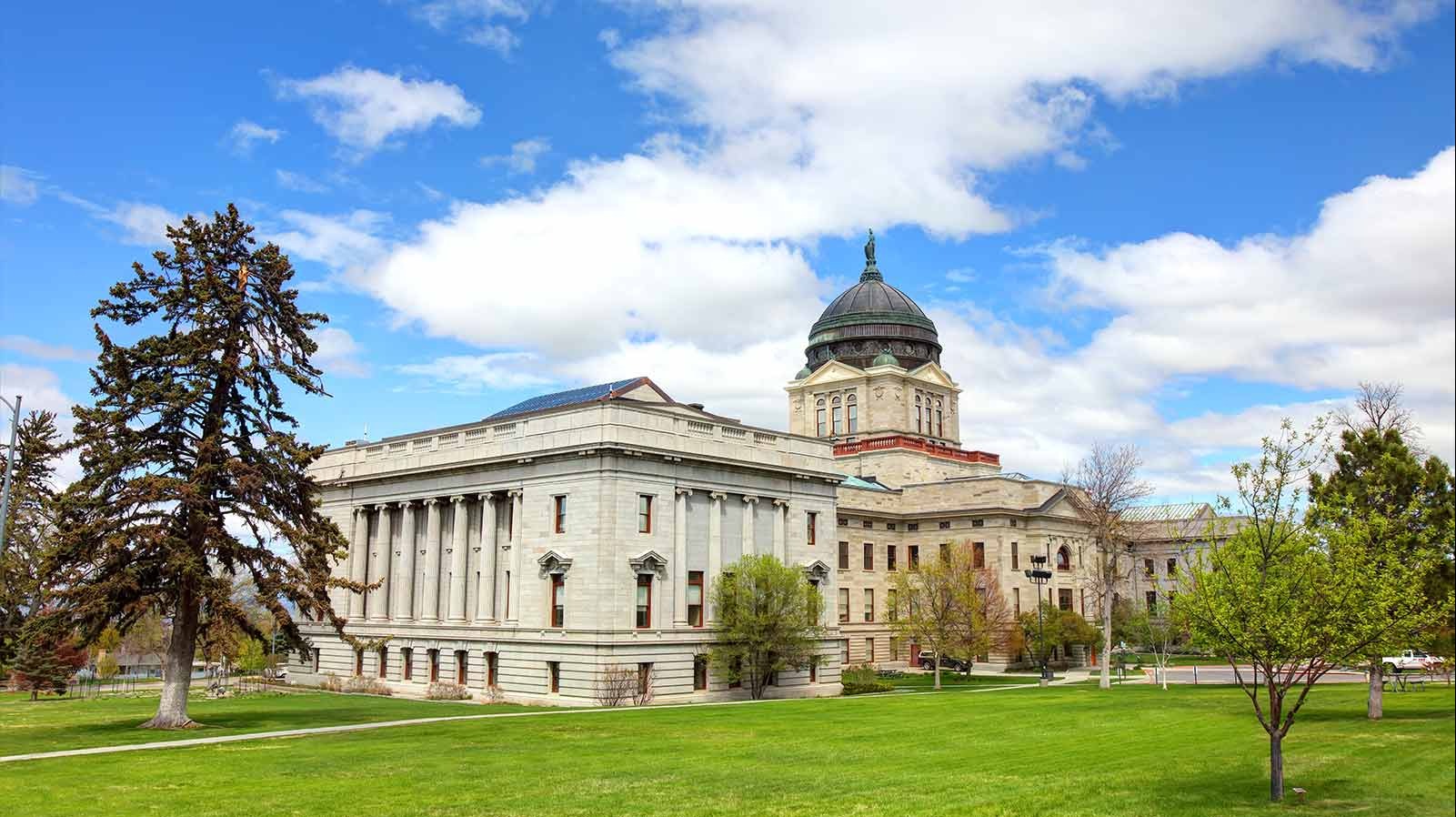
Montana uses an open primary system for its state and congressional elections. This means that any registered voter can participate in a party's primary, regardless of their own political affiliation—or lack thereof. Unlike in closed primary states, you don't have to be a registered Democrat to vote in the Democratic primary or a registered Republican to vote in the Republican primary. In fact, Montana doesn't have party registration at all. When you register to vote, you do so as a Montanan, not as a member of any political party.
What 'Open Primary' Really Means
To understand Montana's system, it helps to know the basic terms. In a 'closed primary', you can only vote on the ballot of the party you are officially registered with. Independents are often shut out completely.
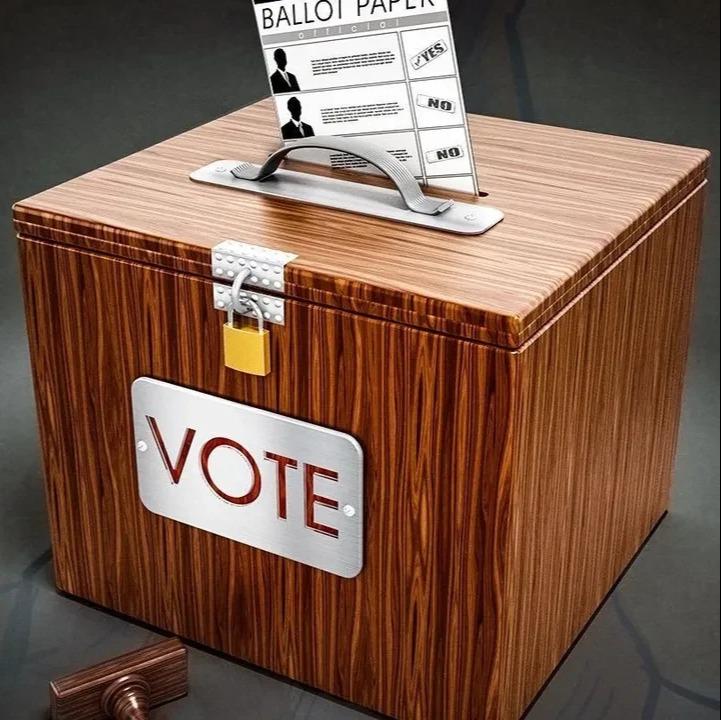
An 'open primary', by contrast, allows any registered voter to request any party's ballot on Election Day. Your choice is private, and it doesn't lock you into voting for that party in the general election. Montana's version is straightforward: you show up, decide in the moment which party's primary you want to influence, and you're handed that ballot. The only rule is that you can only choose one. If you were to vote on more than one party's ballot, neither would be counted.
How It Works on Election Day
When you arrive at your polling place for a primary election, you will be presented with the ballots for all the officially recognized parties—typically Democratic, Republican, and Libertarian. You simply choose which one you want to fill out. This choice is made privately at the polling place. You then vote for the candidates on that single ballot and submit it. If you vote by mail, you will receive all party ballots in your packet and must choose only one to complete and return, destroying the others. This system is designed to maximize voter privacy and freedom, ensuring no one has to publicly declare a party allegiance to participate in a taxpayer-funded election.
A System Rooted in History
Montana's open primary isn't a new experiment; it's a core part of its political identity, dating back to 1912. It was established during the Progressive Era as a way to break the power of party bosses and powerful corporate interests, like the Anaconda Copper Mining Company, which effectively hand-picked candidates in smoke-filled back rooms. The open primary was a tool for reform, designed to give power back to individual voters and make party organizations more responsive to the public rather than special interests. For over a century, this commitment to voter flexibility has remained a defining feature of the state's elections.
What This Means for Voters and Politics
The open primary has significant consequences. First, it empowers the state's large bloc of independent voters, who can participate in whichever primary they feel is most important in a given election cycle. It also allows for 'crossover voting', where a voter might choose to vote in another party's primary to support a more moderate candidate or influence the opposition's nomination. While some argue this dilutes partisan purity, others see it as a check against extremism that forces candidates to appeal to a broader electorate. In a state with many non-competitive general election districts, the primary is often the decisive contest, making the ability for all voters to participate especially critical.