






Meet the Chief Election Officer
Hawaii's Chief Election Officer is Scott T. Nago, who has held the position since 2010. His tenure makes him the longest-serving chief election officer in the state's history. Nago is a graduate of the University of Hawaiʻi at Mānoa with a degree in political science and has spent nearly his entire professional career at the state's Office of Elections, starting in 1998. He was appointed to the top job after working his way up through the office, where his duties included overseeing ballot operations, candidate filings, and the printing of ballots. His long history with the office has given him an intimate understanding of the mechanics of Hawaii's election system, but has also placed him at the center of public scrutiny and criticism during
various election cycles.
The Role and Its Responsibilities
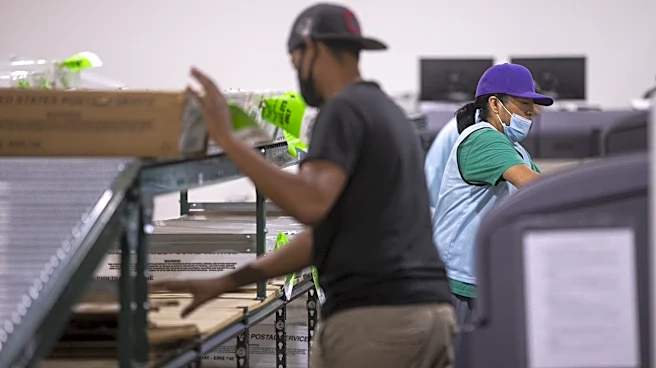
The Chief Election Officer heads the state's Office of Elections and is tasked with ensuring secure, accessible, and convenient elections statewide. While many might assume the office handles everything, Hawaii's system is a collaboration. The state office, under Nago, is primarily responsible for statewide voter education, candidate filing, and, crucially, the printing and counting of all ballots. The state's four county election divisions handle the more localized, on-the-ground tasks. These include managing voter registration rolls, mailing ballots to voters, operating voter service centers, and managing the secure ballot drop boxes that are a key feature of the state's voting system. This division of labor requires constant coordination to ensure a smooth process from registration to the final count.
Hawaii's Unique Electoral Landscape
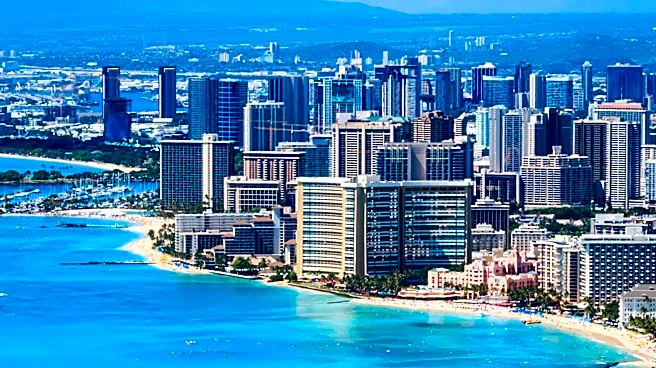
Running an election in Hawaii is unlike anywhere else in the United States. The state has operated an all-mail voting system for all elections since 2020, meaning every registered voter automatically receives a ballot in the mail about 18 days before an election. This model, while praised for its convenience, creates significant logistical hurdles. Ballots must be securely delivered across multiple islands and then collected, verified, and counted. The Office of Elections also provides voter service centers for in-person voting and same-day registration, adding another layer of operational complexity. Furthermore, the office must ensure accessibility for a diverse population, offering election materials and assistance in multiple languages, including Chinese, Ilocano, and Tagalog, to serve its communities properly.
Ensuring Trust and Security
In an era of heightened concern over election integrity, a significant part of the Chief Election Officer's job is to build and maintain public confidence. Nago's office has engaged in public information campaigns to combat misinformation and has worked with federal partners like the U.S. Election Assistance Commission to conduct testing and reviews of its voting systems and processes. Despite these efforts, the office and Nago personally have faced criticism regarding issues like voter roll maintenance and ballot chain of custody. These challenges highlight the immense pressure on election officials to be both transparent and flawlessly accurate. The Elections Commission, which oversees the Office of Elections, holds public hearings to investigate complaints and violations, serving as a key accountability mechanism. Recent meetings have seen vocal critics call for Nago's removal, though he has retained his position.