




Your Key Date: November 3, 2026
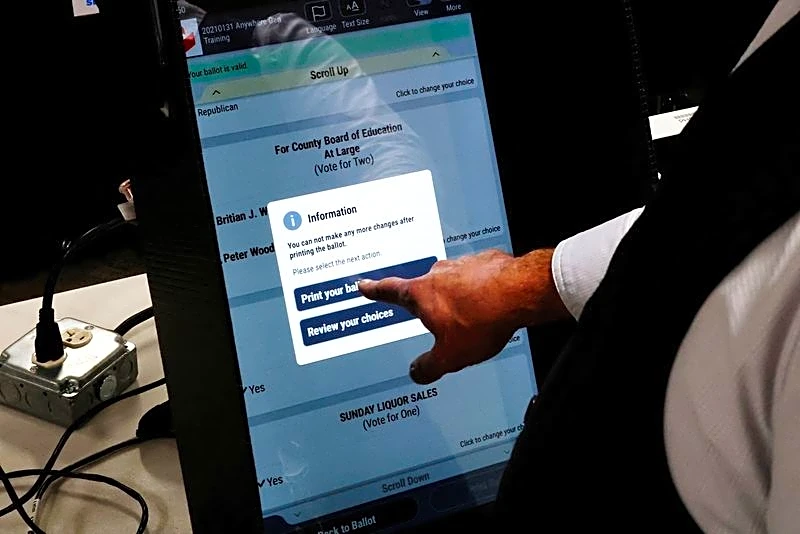
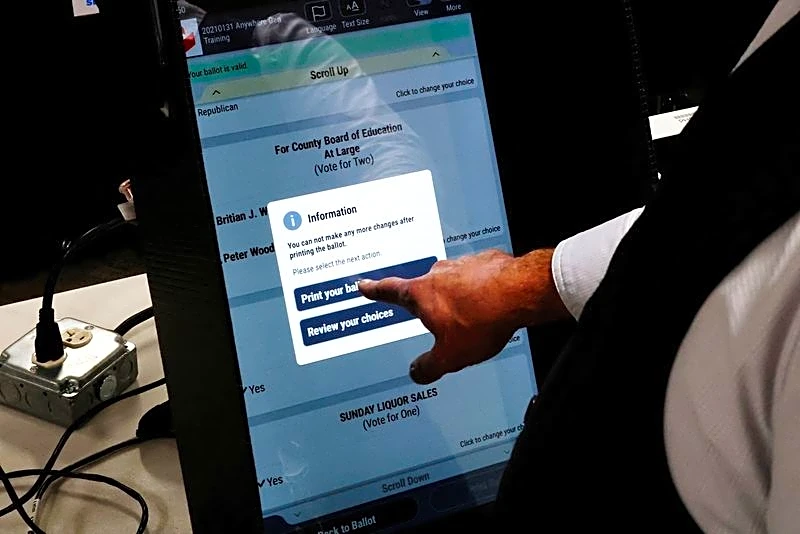
Mark your calendars: the 2026 Georgia general election will be held on Tuesday, November 3, 2026. Polls across the state are open from 7 a.m. to 7 p.m., and any voter in line by closing time is legally entitled to cast a ballot. For those who prefer to vote ahead of time, Georgia offers a generous early voting period, which begins on October 13 and includes several weekend opportunities. Voters can also request an absentee ballot, but the application must be received by county officials no later than October 23, 2026. Georgia law requires a runoff election on December 1, 2026, for any general election race where no candidate secures more than 50% of the vote.
Governor's Race and Top Statewide Offices
A slew of critical statewide executive offices will be decided in 2026. With Governor
Brian Kemp term-limited, the race for his successor will be one of the nation's most-watched contests. Other key open seats include those for lieutenant governor, attorney general, and secretary of state. Voters will also elect commissioners for agriculture and labor, the state school superintendent, and members of the Public Service Commission. These roles hold significant power over state policy, from managing elections and law enforcement to overseeing education, agriculture, and public utilities. The primary elections to decide the Democratic and Republican nominees for these posts were held in May 2026.
A Nationally Watched U.S. Senate Seat
The balance of power in Washington could hinge on Georgia's U.S. Senate race. Democratic incumbent Jon Ossoff is running for his second term after first winning the seat in a high-stakes runoff in January 2021. He will face Republican challenger Mike Collins, a current U.S. Representative. As the only Democratic senator defending a seat in a state that Donald Trump won in the 2024 presidential election, Ossoff's race is expected to attract immense national attention and campaign spending. Georgia's other U.S. Senator, Raphael Warnock, is not on the ballot until 2028.
Your Voice in Congress and the Statehouse
Beyond the top-ticket races, Georgians will elect representatives for all 14 of the state's U.S. House districts. These elections determine who will represent local communities on federal issues ranging from the economy to national security. Additionally, every seat in the Georgia General Assembly—both the State House and State Senate—is up for election. These state lawmakers are responsible for crafting the state budget, passing laws on education and transportation, and drawing the political maps that will define Georgia's districts for the next decade.
Amendments on Taxation, Judges, and 911 Funding
Georgians will also vote on at least three proposed amendments to the state constitution. One amendment seeks to double the amount of land that can qualify for a conservation use property tax break, raising the cap from 2,000 to 4,000 acres for family farms and timberland. A second proposal would make all probate judge elections nonpartisan throughout the state, aligning them with how Supreme Court and other appellate judges are elected. The third amendment would authorize the legislature to create a dedicated, non-lapsing fund for upgrading and maintaining Next Generation 9-1-1 services across Georgia. To pass, each of these measures requires a simple majority of the statewide vote.