



The First Check: Local Canvassing
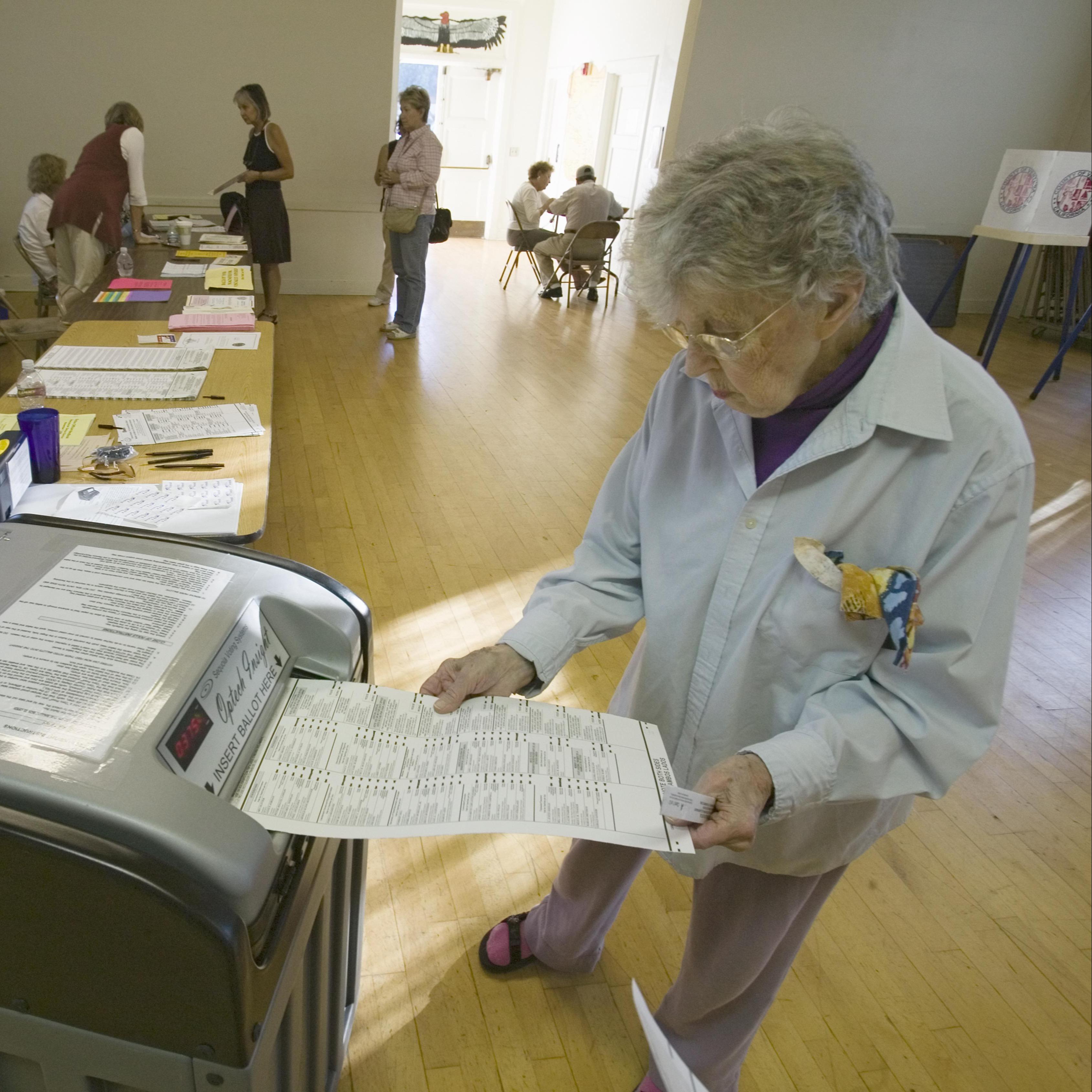
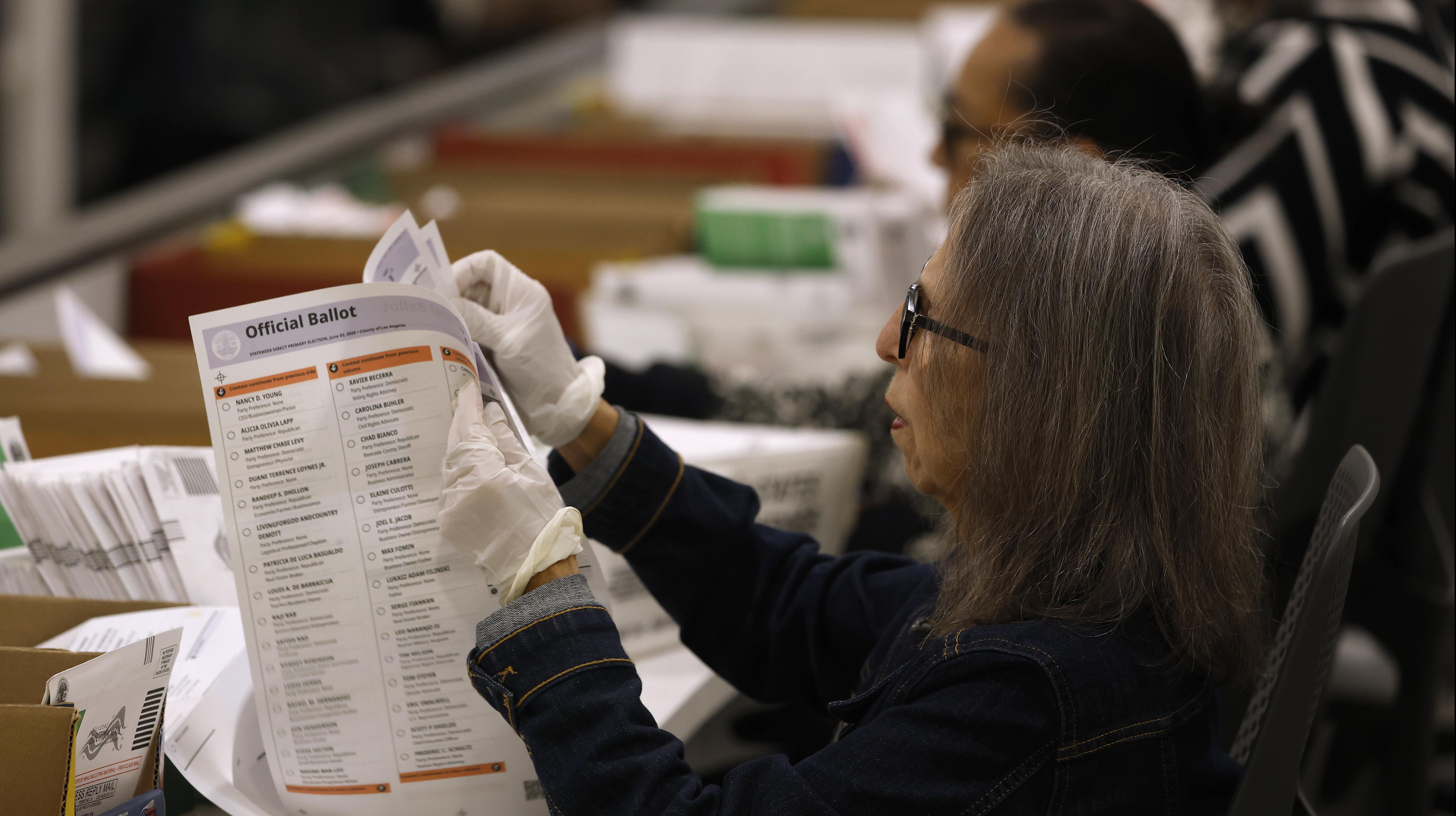
The certification process begins at the local level, where democracy is most hands-on. In Illinois, the responsibility for administering elections falls to 102 county clerks and a handful of municipal election commissions. After an election, these local authorities conduct what is known as the canvass. This isn't just a simple recount; it's a meticulous accounting exercise to ensure every valid ballot—whether cast by mail, early, or on Election Day—is included and that the number of ballots matches the number of voters who checked in. These local officials are required to complete their canvass and transmit the results to the state within 21 days of the election. This initial phase is the foundational layer of trust, where the raw vote totals
are first verified before moving up the chain.
The Central Hub: Illinois State Board of Elections
Once all 108 local election authorities have completed their canvasses, they send their certified results, often called "abstracts of votes," to one central body: the Illinois State Board of Elections. This independent state agency, established by the 1970 Illinois Constitution, is tasked with supervising elections across the state. For federal offices like U.S. House Representatives and U.S. Senators, as well as for statewide offices, the State Board of Elections is the final arbiter. Its job is to aggregate the certified totals from every county, double-check the math, and ensure everything is in order before making the final declaration. This statewide compilation prevents any single county from holding up or unilaterally deciding the outcome of a federal race.
The Final Proclamation: Making it Official
The Illinois State Board of Elections must meet to canvass the returns and officially declare the results for state and federal offices within 31 days after the election. This meeting is where the board formally accepts the aggregated results and issues a proclamation of the winners. This proclamation is the state's official certification. Following this, the board provides a certificate of election to the winning candidates. For congressional races, this certificate is the official document sent to the U.S. House of Representatives or the U.S. Senate, confirming that the individual has been duly elected by the people of Illinois. At this point, the results are no longer provisional or projected; they are the official, certified outcome of the election.
Why This Deliberate Process Matters
The period between Election Day and final certification can feel slow, but the methodical, multi-layered process is a critical feature, not a bug, of a secure election system. By starting the verification at the local level with bipartisan officials and culminating with a state-level board, the system builds in checks and balances. It ensures that results are based on a careful accounting of every valid vote rather than the projections made on election night. This structure is designed to be resilient against errors and attempts to undermine the results, providing a clear, legal framework for finalizing who will represent Illinois in Congress. It’s a deliberate process that prioritizes accuracy and public trust over speed, forming a cornerstone of democratic integrity.