





It All Starts at the County Level
The certification journey for a congressional election in Texas begins where the votes are cast: at the county. Immediately after Election Day, local election officials work to count every valid ballot, including mail-in and provisional ballots. This initial tally produces the unofficial results you often see on election night. However, the official process, known as the canvass, comes next. The canvassing authority in most Texas counties is the commissioners court. This group convenes to review the precinct returns, tally the votes, and ensure every ballot is accounted for. This isn't a recount or a forensic audit; it's a procedural review to formally tabulate the results from across the county. Think of it as the county balancing its electoral
checkbook before reporting the final numbers. This crucial local step ensures that the raw data sent to the state is accurate and complete.
The Journey to Austin
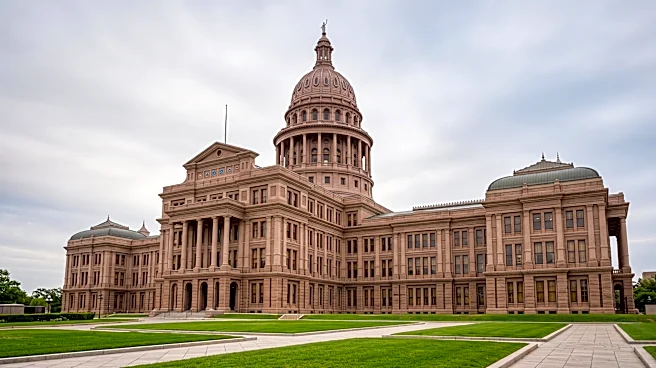
Once each county involved in a congressional district has completed its local canvass, the results are sent to the state. This is where the Texas Secretary of State steps in. The Secretary of State, as the state's chief election officer, is responsible for receiving and compiling the canvassed returns from all counties. Their office ensures that the data from each county is properly submitted and aggregated for statewide and multi-county district races, like those for the U.S. Congress. While the Secretary of State plays a pivotal administrative role in gathering and preparing the statewide totals, they do not perform the final act of certification for these races. That responsibility falls to a higher office.
The Governor's Final Seal
The final step in certifying congressional election results in Texas rests with the Governor. After the Secretary of State has tabulated the returns from the counties, the Governor conducts the official state canvass. This involves reviewing the vote totals compiled by the Secretary of State and, once satisfied, issuing a proclamation that officially declares the winner. The Governor's signature on the statewide canvass makes the results official. Following this, the Governor issues a "certificate of election" to the winning candidate, which is the official document they will present when they are sworn into the U.S. House of Representatives. This separation of duties—local canvassing by counties, tabulation by the Secretary of State, and final certification by the Governor—creates a system of checks and balances.
Understanding the Timeline
The "when" is just as important as the "who," and it's dictated by state law. The local county canvass for a general election must occur not too early and not too late—typically starting no earlier than the third day after the election and finishing no later than the 14th day after. This window allows time for late-arriving mail-in ballots from military and overseas voters to be counted. After the local canvasses are done, the results are forwarded to the state. The Governor must complete the statewide canvass for congressional races by a specific deadline. For the November general election, this is typically done by early December, ensuring all results are finalized well before the new session of Congress begins in January. This methodical timeline is designed to prioritize accuracy over speed, ensuring all valid votes are counted before any winner is officially declared.