





The Four-Year Term
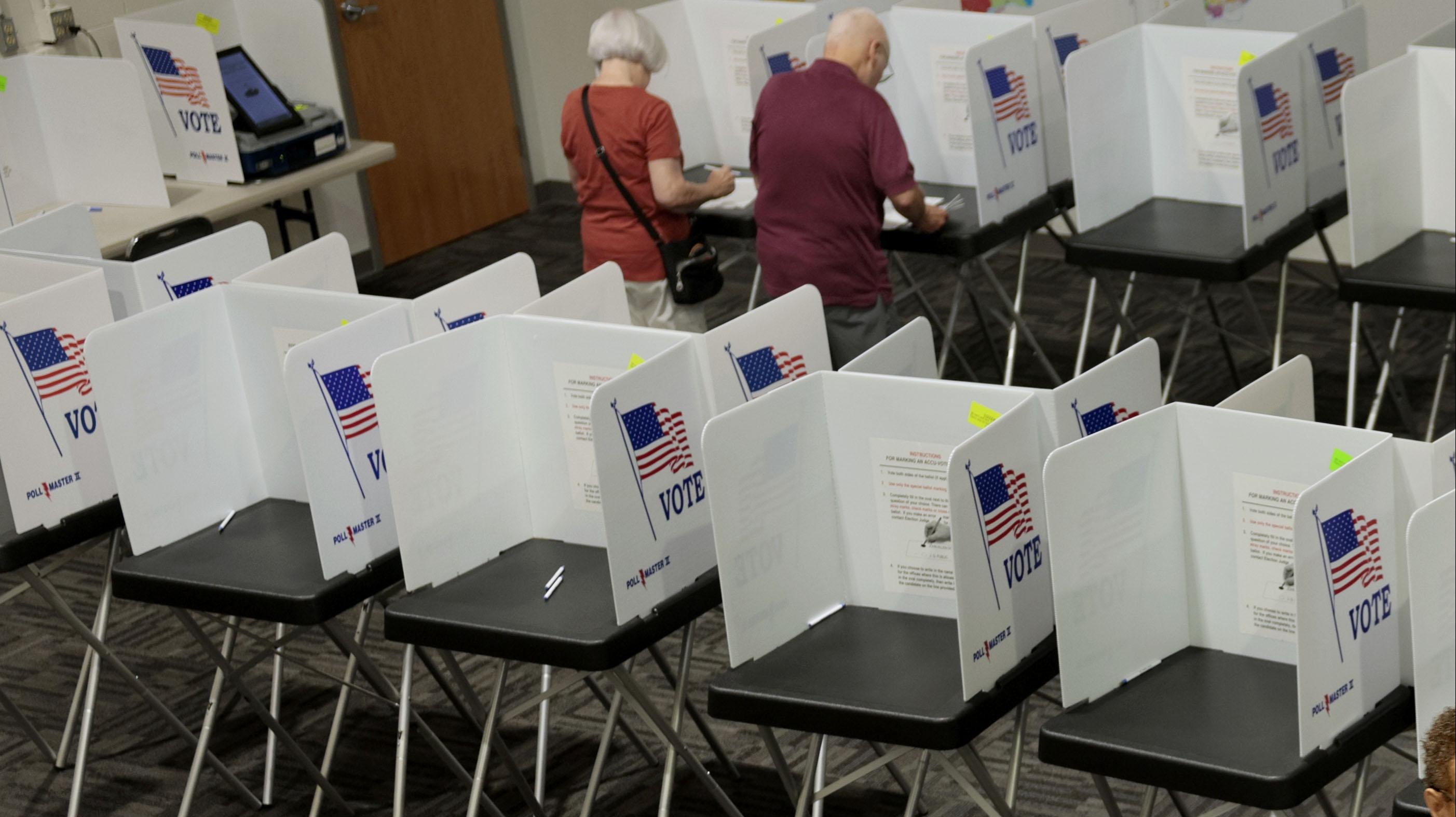
The governor of Iowa is elected to a four-year term. This is a relatively modern standard, established by a constitutional amendment in 1972. Before that, Iowans elected their governor every two years, a practice that dated back to the state's 1857 constitution. The shift to a four-year term aligned Iowa with the vast majority of other states and was intended to provide greater stability and a longer-term vision for the state's chief executive. Elections for governor are held during the midterm election cycle, in the even-numbered years that are not presidential election years. The governor's term officially begins on the Tuesday after the second Monday of January following their election.
A Job With No Term Limits
Unlike the U.S. presidency and many other governorships,
Iowa places no limit on the number of terms a governor can serve. This means a governor can be re-elected as many times as the voters of Iowa choose. The absence of term limits can have a significant impact on the state's politics and governance. It allows for the possibility of very long tenures, enabling a governor to accumulate substantial experience, institutional knowledge, and political power. Former Governor Terry Branstad serves as a prime example; his non-consecutive terms made him the longest-serving governor in United States history. While proponents argue this allows for stability and lets voters keep effective leaders, critics suggest it can lead to entrenched power and a lack of fresh perspectives.
The Power of the Chief Executive
As the head of the executive branch, the Iowa governor's primary role is to ensure the laws of the state are faithfully executed. This responsibility comes with significant administrative powers. The governor appoints the heads of most state departments and agencies, shaping the leadership and direction of everything from transportation to public health. These major appointments are generally subject to confirmation by a two-thirds vote in the state Senate. The governor also has the authority to issue executive orders to direct the actions of state agencies, fill unexpected vacancies in public office, and serve as the commander-in-chief of the state's military forces, including the National Guard.
A Strong Hand in Lawmaking
While the General Assembly writes the laws, the governor plays a crucial role in shaping legislation. Every bill passed by the legislature must be presented to the governor for final action. The governor can sign a bill into law or veto the entire bill, sending it back to the legislature with objections. Overriding a governor's veto is a high hurdle, requiring a two-thirds majority vote in both the House and Senate. Crucially, the Iowa governor also possesses a powerful line-item veto for appropriations bills. This allows them to strike specific sections or spending items from a budget bill without rejecting the entire thing, giving the governor significant leverage in fiscal negotiations.
Influence Over the Judiciary and Clemency
The governor's authority extends into the judicial branch through the power of appointment. When a vacancy occurs on the Iowa Supreme Court, Court of Appeals, or district courts, the governor appoints the new judge from a list of nominees provided by a judicial nominating commission. While Iowa uses a merit-based selection system, the governor's final choice is a significant check on the judiciary. Recent changes to the law have given the governor more influence over the commission that selects nominees for the state's highest courts. Additionally, the governor holds the power of executive clemency. This includes the ability to grant pardons, commute sentences, and restore rights to individuals convicted of crimes, a profound power over the lives and futures of Iowans.