

The Basic Definition
At its core, a precinct is the smallest political geography used in elections. Think of it as your specific electoral neighborhood. The D.C. Board of Elections draws these boundary lines to group a manageable number of voters together. Historically, the goal was to create areas with a few thousand adult residents. These divisions determine which specific local races appear on your ballot and, traditionally, where you would go to vote on Election Day. Every residential address in the District is assigned to one. It’s the most granular level of the electoral map, a tool for organizing voters and reporting election results block by block.
The Magic Number: How Many Precincts Are There?
The District of Columbia is currently divided into voting precincts, with the boundaries redrawn as recently
as 2024 to reflect population changes. While sources from 2014 mentioned 143 precincts, this number is not static. Precinct lines are adjusted periodically, especially after a decennial U.S. Census, to ensure populations remain relatively balanced across different areas. This process, known as redistricting, can split or redraw precinct boundaries to align with new ward lines or shifts in where people live. While D.C. now uses 'Vote Centers' that allow residents to cast a ballot anywhere in the city, the precinct structure remains essential for organizing and reporting votes.
More Than Just a Polling Place
While most people only think about their precinct on Election Day, its role is more significant than just a name on a voter registration card. Precincts are the foundational building blocks for all larger political districts. When the D.C. Council redraws the boundaries for the city's eight wards, they use precincts like puzzle pieces to construct the new maps. Furthermore, in local party politics, the precinct is the grassroots level. Political parties often organize committees or captains at the precinct level to connect with voters, understand local concerns, and encourage turnout. So, while you might not interact with your precinct daily, it’s the essential starting point for political representation and community organizing.
The Bigger Picture: Wards and ANCs
To understand where precincts fit, you have to look at D.C.’s unique political structure. The District is divided into eight large territories called Wards, each with its own elected member on the D.C. Council. Each Ward contains multiple precincts. Wards are then further subdivided into even smaller areas known as Advisory Neighborhood Commissions (ANCs), which are made up of Single Member Districts (SMDs) of about 2,000 residents each. ANCs are non-partisan, hyper-local bodies that weigh in on everything from liquor licenses to traffic changes. Your precinct determines your Ward, and its boundaries are often related to your ANC and SMD. It’s a nested system: your precinct is inside your SMD, which is inside your ANC, which is inside your Ward. This structure ensures that representation scales all the way down from city-wide issues to the concerns of a few specific blocks.
A Modern Wrinkle: The Rise of Vote Centers
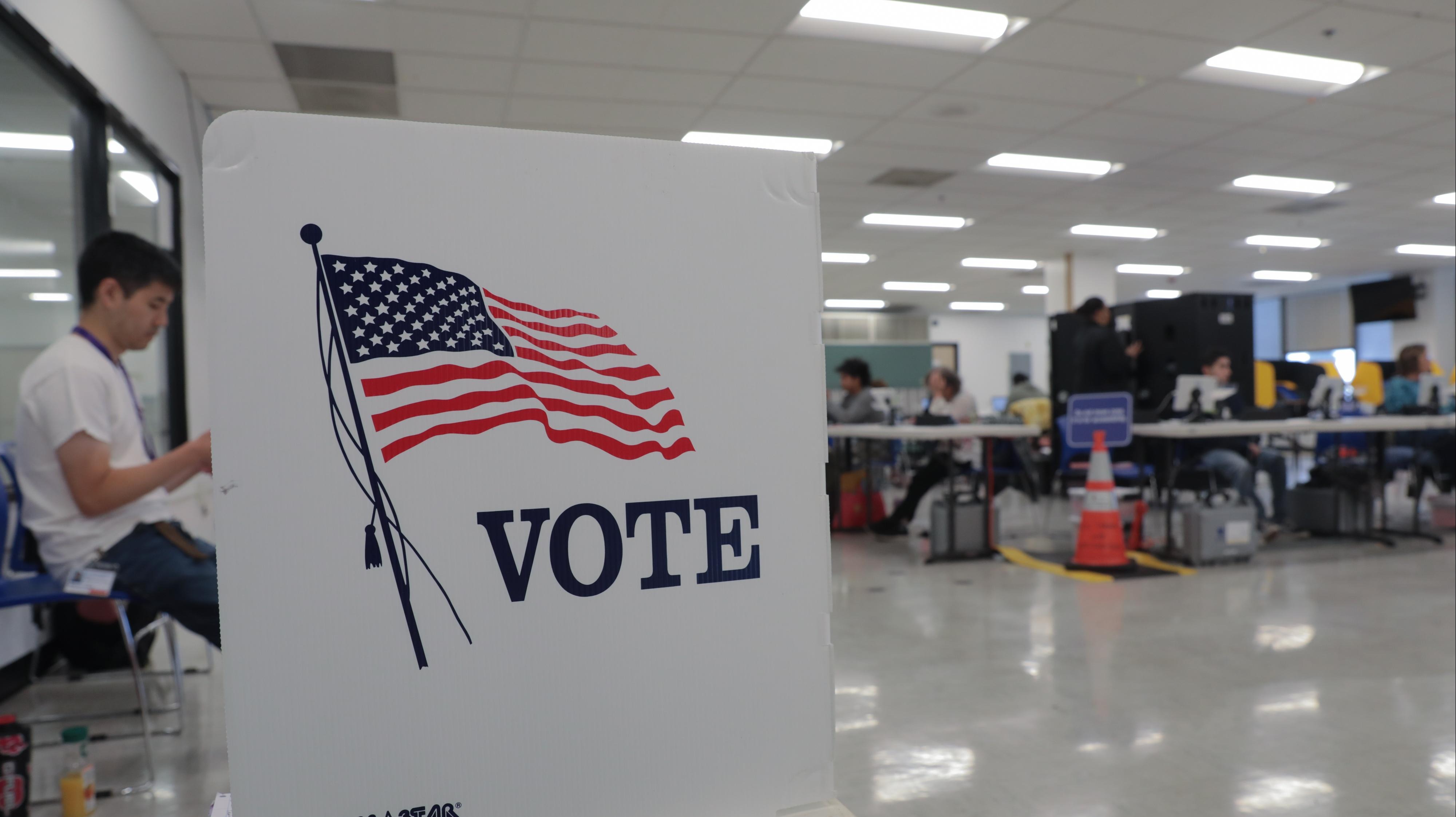
It's important to note a major evolution in how D.C. handles voting. Thanks to the Elections Modernization Amendment Act of 2022, the District has largely moved to a 'Vote Center' model. This means that on Election Day, any registered voter can cast their ballot at any designated Vote Center in the city, regardless of which precinct they live in. This provides much more flexibility than the old system, where you were required to vote at one specific polling place assigned to your precinct. However, this doesn't make precincts obsolete. They remain crucial for administrative purposes, for tabulating results, and for ensuring every voter gets the correct ballot with the right local races for their specific home address.