


The Tea Party and Obama's Reelection (2010-2012)
The period began with a classic midterm backlash. In 2010, spurred by the rise of the Tea Party movement, Republicans saw significant gains across the country. In Ohio, turnout was a modest 46.2% of eligible voters, a figure typical for a midterm but enough to signal dissatisfaction. This election set the stage for the high-stakes presidential contest two years later. By 2012, with Barack Obama seeking reelection against Mitt Romney, Ohio was once again a premier battleground. The political machinery of both parties invested heavily in the state, driving turnout up to 65.1%. This robust participation demonstrated Ohio's pivotal role in national politics, with voters highly engaged in a close and intensely watched race. The slight dip from the 2008
peak of 67.8% was minor; Ohio was still very much in the game.
A Midterm Trough and the Trump Surge (2014-2016)
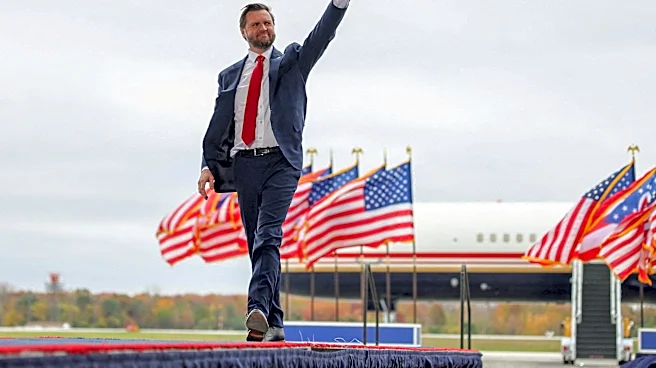
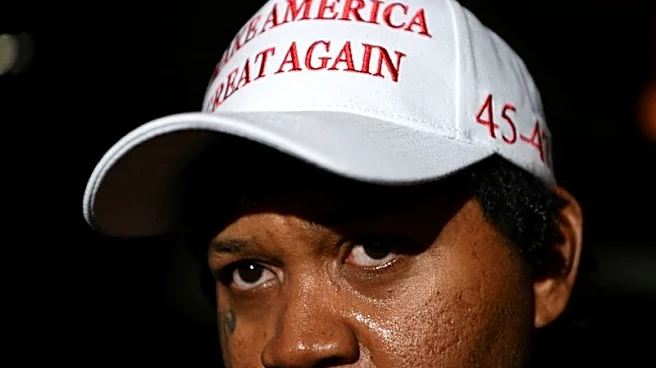
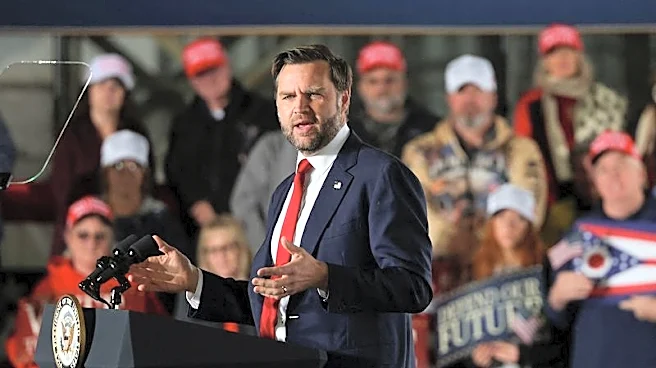
If 2012 was a peak, 2014 was a valley. The midterm election that year saw a collapse in voter participation, with turnout cratering to just 36.2%—the lowest point in the entire 14-year cycle. This dramatic drop-off reflected a national trend of voter apathy in non-presidential years but was particularly stark in Ohio. This low-energy environment was shattered in 2016. The arrival of Donald Trump on the political scene electrified the electorate. His populist appeal to blue-collar voters in the Rust Belt resonated deeply in Ohio. Turnout climbed to 64.2%, and Trump won the state by a commanding eight-point margin, a result that surprised many who still considered Ohio a swing state. It was the state's largest margin of victory in a presidential race since 1988 and signaled a fundamental political shift.
The New Normal of High Engagement (2018-2020)
The reaction to the Trump presidency ushered in a new era of hyper-engagement, particularly in midterm elections. In 2018, turnout soared to 50.9% of eligible voters, a massive increase from 2014 and the highest for a midterm in Ohio in over two decades. This 'blue wave' energy didn't flip the state, but it showed that both sides were now fully mobilized. This intensity culminated in the 2020 presidential election. Amid a global pandemic, Ohioans turned out in historic numbers, reaching 67% of eligible voters. Over 5.8 million people cast a ballot, a record for the state, with an unprecedented 59% of votes cast early or absentee. While Joe Biden won the national election, Ohio again backed Donald Trump, cementing its new identity as a reliably Republican state in presidential contests and breaking its long streak as a national bellwether.
Solidifying Trends in a Post-Bellwether Era (2022-2024)
The trends of the late 2010s continued into the new decade. The 2022 midterm election saw a healthy turnout of 47.1% of eligible voters. While a step down from the historic surge of 2018, it remained significantly higher than the low points of 2014 and 2010, confirming that a higher level of midterm engagement had become the new standard. By the 2024 presidential election, Ohio's role was more settled. Turnout landed at a strong 65.4%, slightly above the 2016 figure and just below the 2020 peak. With Donald Trump once again winning the state, it confirmed Ohio's shift from a fiercely contested battleground to a state with a clear Republican lean in federal elections. The era of Ohio as the nation's ultimate toss-up appeared to be firmly in the past.