


The State's Top Referee: The Board of Elections
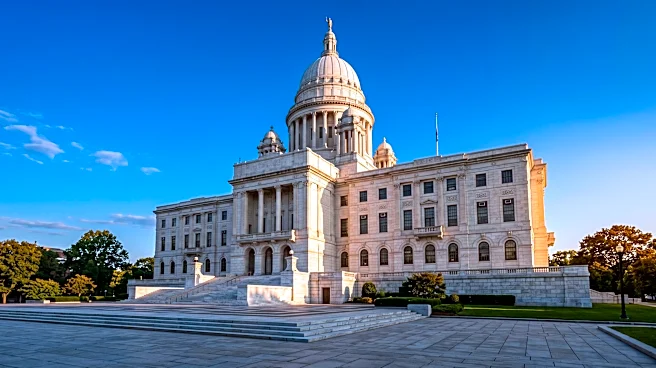
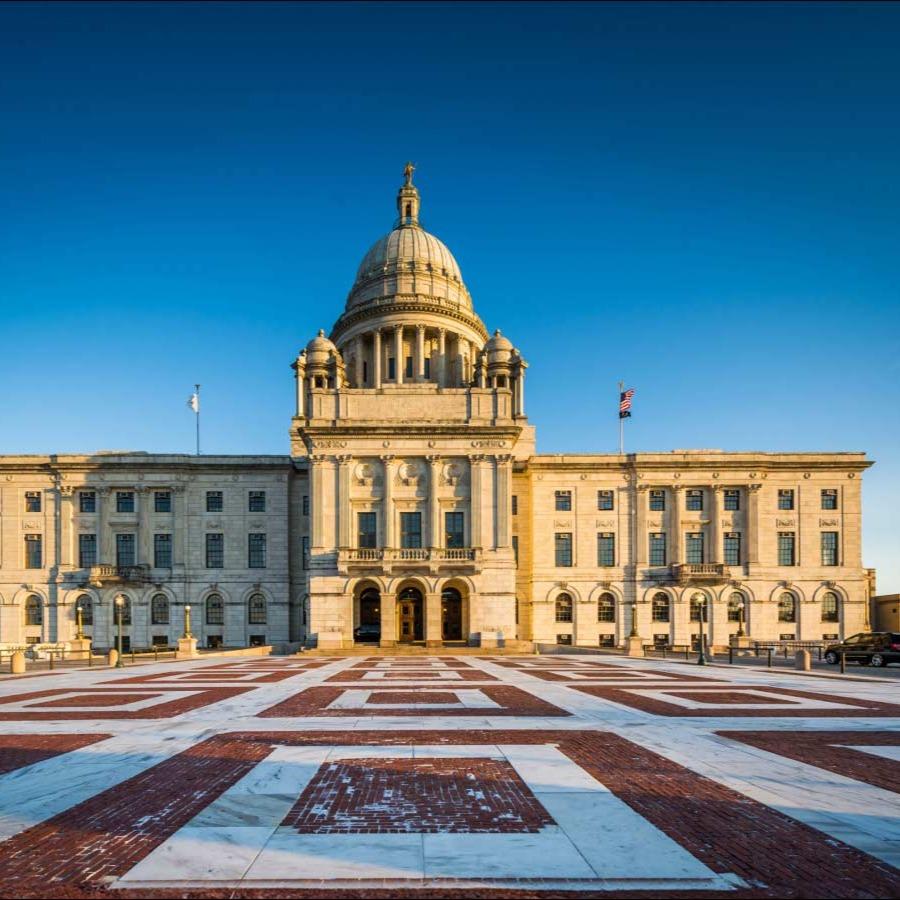
The main authority for elections in Rhode Island is the State Board of Elections. Think of it as the ultimate umpire. This independent and bipartisan body has the final say on most things election-related. Its responsibilities are vast: it oversees the entire process, tests and prepares voting equipment, trains poll workers, and handles campaign finance regulation. The Board is also the entity that hears challenges, handles appeals, and, most importantly, certifies the final election results. This structure is intentional. By placing the power of certification in the hands of an appointed, bipartisan board rather than a single elected official, the system aims to insulate the final vote count from political pressure. The Board’s mission is to protect
the integrity of the electoral process, making it the central pillar of election administration in the state.
The Secretary of State’s Key Supporting Role
Many people assume the Secretary of State runs elections, and while they are considered the state's chief elections officer, their role in Rhode Island is more specific and collaborative. The Secretary of State's office handles crucial pre-election tasks. This includes preparing ballots, registering voters, maintaining the online voter registration system, and providing voter information guides. They are, in many ways, the public face and promoter of elections, ensuring residents know when, where, and how to vote. However, they do not oversee Election Day operations or certify the results—that's the Board of Elections' job. This division of labor is a key feature of the state's system. The elected Secretary of State gets the process started and provides essential information, but the non-partisan Board of Elections manages the mechanics and validates the outcome.
The Ground Game: Local Boards of Canvassers
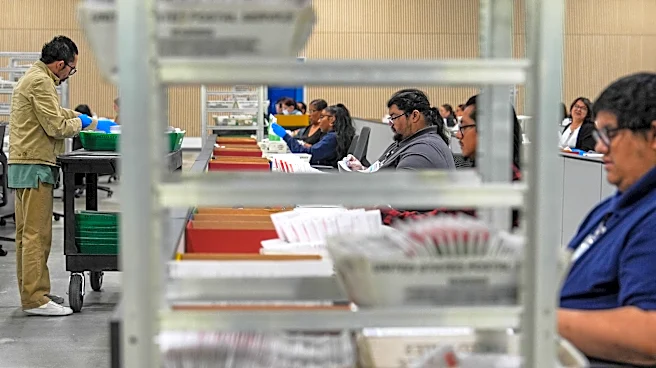
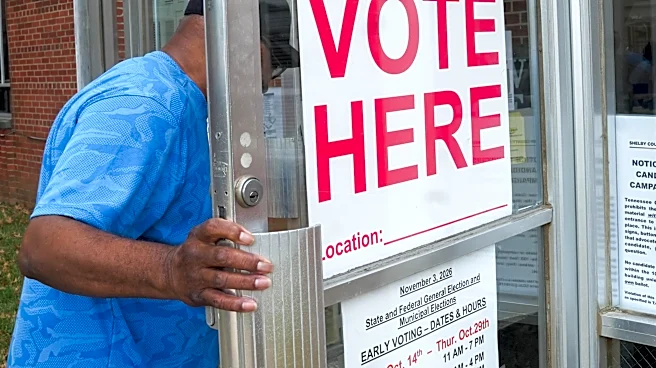
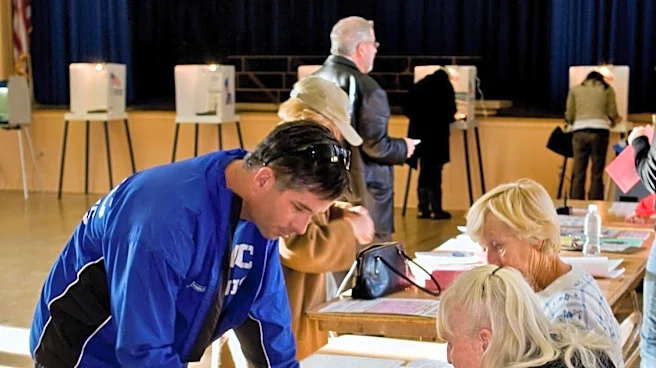
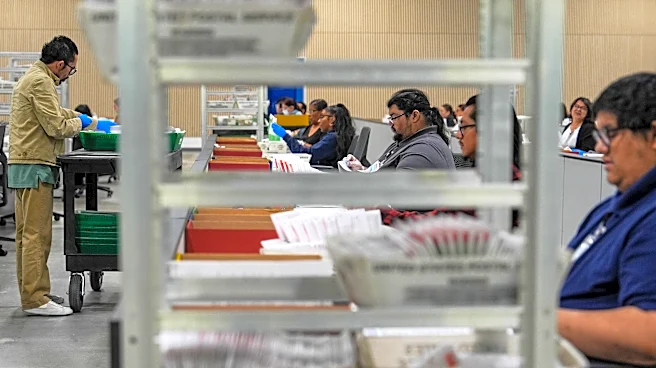
Elections are ultimately local events, and in Rhode Island, the hands-on work is done by city and town Boards of Canvassers. These local, bipartisan boards are the frontline of democracy. They are responsible for everything that happens at your neighborhood level. This includes identifying polling locations, recruiting the poll workers you see on Election Day, processing mail ballot applications, and maintaining local voter registration records. When you go to vote, you are interacting with a system run by your local Board of Canvassers. After the polls close, these boards oversee the initial counting of ballots and then report their tallies up to the state. They work in conjunction with the State Board of Elections, but their focus is purely local, ensuring the election is administered properly in their specific community.
How It All Fits Together
So, how does this three-legged stool work in practice? It’s a clear workflow. The Secretary of State’s office prepares the ballots and educates the public. The local Boards of Canvassers take over from there, managing the in-person and mail-in voting process on the ground, and conducting the initial count. Finally, the State Board of Elections supervises the entire operation, tallies the official results from all the local boards, conducts post-election audits to ensure accuracy, and gives the final, official certification that makes the election outcome legally binding. This separation of duties is Rhode Island's answer to ensuring election integrity. By distributing responsibility, the system builds in checks and balances, so no single person or agency has complete control over the vote from start to finish. It’s a collaborative structure built on state oversight and local execution.