




The Short Answer: Neither
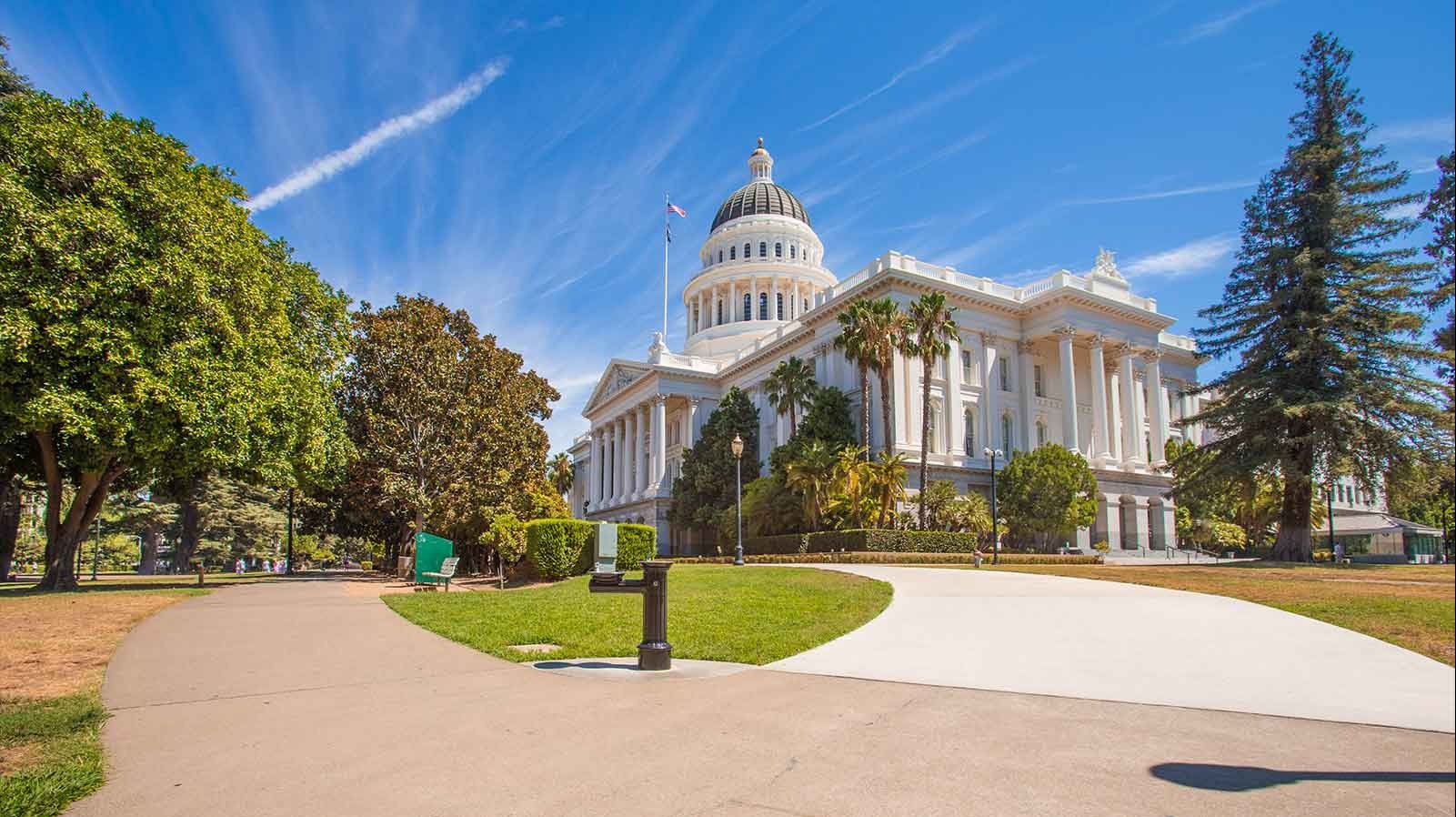
If you're looking for a one-word answer, it's this: California uses neither a traditional open nor a traditional closed primary for its state and congressional races. Instead, it employs what's known as a 'top-two' primary system. Since voters approved Proposition 14 back in 2010, the state's primary elections for legislative and congressional offices have operated under a single, unified ballot for all voters, regardless of their party registration. This approach fundamentally changes the purpose of a primary from selecting a party's nominee to simply narrowing the field of candidates down to two. To understand what makes this different, it helps to quickly define the classic systems.
The Classic Models: Closed vs. Open Primaries
In a classic 'closed' primary, your party registration is your ticket
to vote. Only registered Democrats can vote for Democratic candidates, and only registered Republicans can vote for Republican candidates. If you're registered with no party preference (as an independent), you are often locked out of voting for party-affiliated candidates altogether. An 'open' primary is more flexible. Any registered voter can participate and can choose which party's primary ballot they want to vote on, regardless of their own affiliation. You could be a registered Republican and decide to vote in the Democratic primary, or vice-versa. These systems are designed to select one nominee from each party to face off in the general election.
How California's 'Top-Two' System Works
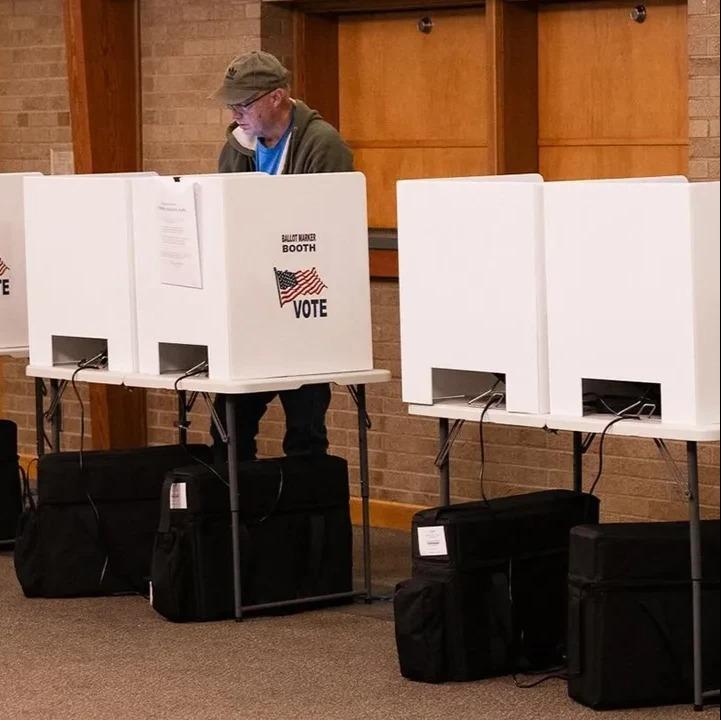
California's system, sometimes called a 'jungle primary,' throws all candidates for a given office onto the same ballot. Whether you're a Democrat, a Republican, an independent, or a member of a third party, you see the exact same list of candidates. You vote for one person, and when all the ballots are counted, the two candidates with the most votes—regardless of their party—advance to the November general election. This means the general election could feature a race between two Democrats, two Republicans, or a Democrat and a Republican. The goal, according to proponents, was to elect more moderate candidates who must appeal to a wider swath of the electorate, not just their party's base.
The Big Exception: Presidential Primaries
There's one major exception to the top-two rule: the presidential primary. When it comes to selecting a nominee for President of the United States, California reverts to a 'modified-closed' primary system. In this case, political parties get to decide whether to allow voters with no party preference to 'cross over' and vote in their primary. For example, the Democratic Party in California typically allows independent voters to request its presidential ballot, while the Republican Party has often kept its primary closed to only registered Republicans. So, for this specific election, your party registration suddenly matters a great deal.
Impact and Voter Experience
The top-two system has dramatically changed the political landscape in California. The intent was to give more power to the state's growing number of independent voters and force candidates to build broader coalitions. It also means that in heavily Democratic or Republican districts, the primary election is no longer the final word. A general election between two members of the same party can offer a more nuanced choice between different wings of that party—for instance, a moderate Democrat versus a progressive Democrat. For voters, it simplifies the ballot by removing the confusion of different party-specific ballots for most races. Every voter gets a say in which top two candidates will represent them in the final contest in November.