



The Journey Begins: Casting Your Ballot
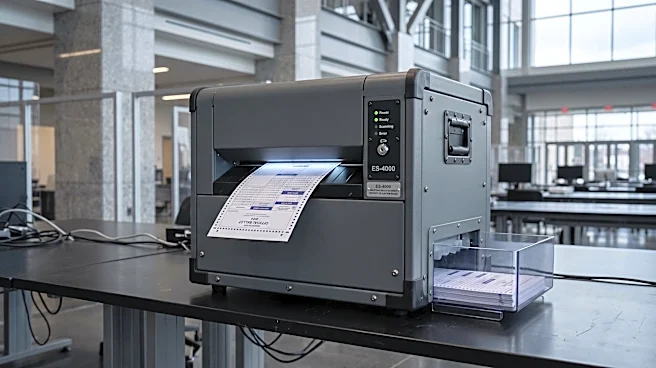
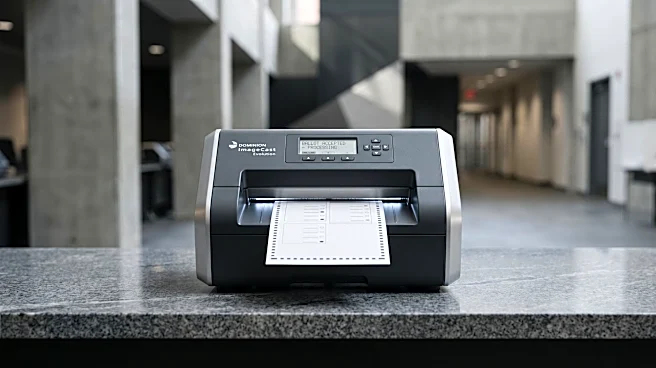
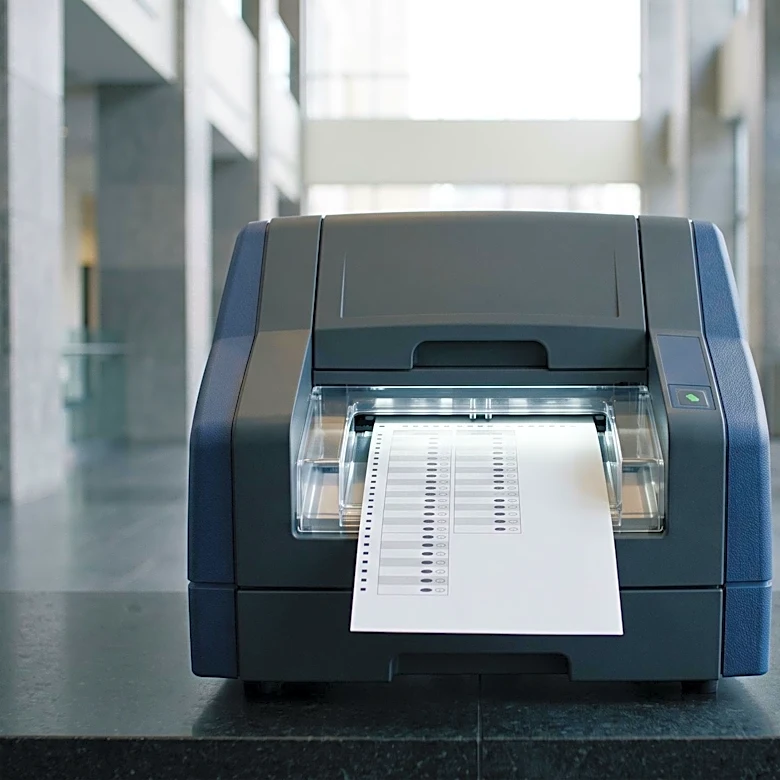
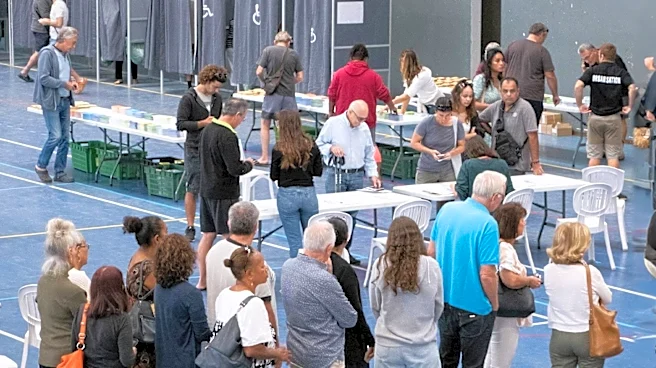
Your role in the process is the crucial first step. Whether you vote in person on Election Day, take advantage of early voting, or vote by mail, your ballot begins a secure journey. At a polling place, after a bipartisan pair of election judges verifies your registration, you cast your vote on a paper ballot that is then fed into a tabulation machine. These machines are self-contained, meaning they aren't connected to the internet, which protects them from outside interference. For mail-in ballots, the process starts when you send back your completed ballot in the official certification envelope.
Mail-In Ballots: The Signature Check
When your mail-in ballot arrives at the local election authority's office, it undergoes a critical verification step. Election judges, working in bipartisan
teams, meticulously compare the signature on your ballot envelope with the signature on file from your voter registration. This is the primary method for confirming your identity and ensuring the ballot was cast by you. Once the signature is verified, the ballot is separated from the envelope to protect the secrecy of your vote before it moves on to be counted. If a signature is missing or doesn't match, the ballot is rejected, but election officials will notify you so you have a chance to address the issue.
The First Count: Tabulation Night
On election night, after the polls close at 7 p.m., the counting begins in earnest. For in-person votes, judges print out the results tape from each precinct's tabulation machine. For mail-in and early votes that have already been processed, counting can begin after 7 p.m. as well. These initial numbers are what you see reported as 'unofficial results'. They are unofficial because not all votes are included yet. Mail-in ballots postmarked by Election Day can still arrive for up to 14 days, and provisional ballots need to be reviewed. To ensure secrecy, results from early and mail-in voting are often merged with Election Day totals from the same precinct before being released.
The Canvass: Double-Checking the Totals
In the days following the election, local election authorities conduct a process called the canvass. This is essentially a thorough accounting process to make sure the numbers add up. Officials reconcile the number of voters who signed in at polling places with the number of ballots cast on the tabulators. They review provisional ballots, which are given to voters whose eligibility was in question, to determine which ones are valid and can be counted. They also continue counting valid mail-in ballots that arrive after Election Day. This period is all about ensuring accuracy and resolving any discrepancies before the results are finalized.
The Final Steps: Audits and Certification
Before the results become official, Illinois law requires a post-election audit. The State Board of Elections randomly selects 5% of precincts and 5% of early voting machines in each election jurisdiction for a retabulation. This audit checks to make sure the equipment counted the paper ballots correctly, providing an extra layer of confidence in the outcome. While this audit doesn't change the results itself, it confirms the accuracy of the count. After the canvass and audit are complete, the local election authority certifies its results, which are then sent to the Illinois State Board of Elections for final, official certification. This marks the end of the ballot's journey.