



The Simple Answer: Virginia is an Open Primary State
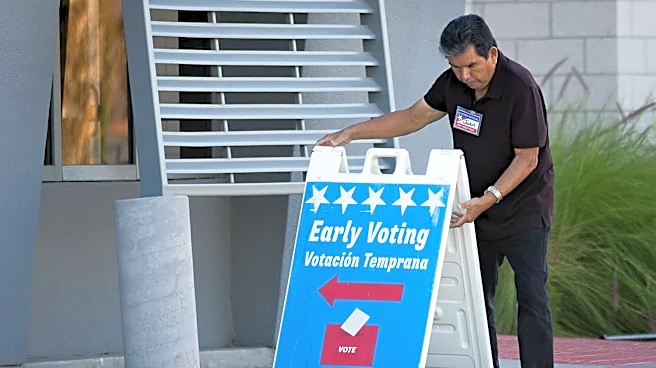
Let's get straight to it: Virginia uses an open primary system. What does that mean? In the simplest terms, you do not have to be registered with a political party to vote in that party's primary election. The Commonwealth of Virginia doesn't have party registration at all, so when you register to vote, your record doesn't list you as a Democrat, Republican, or anything else. This makes Virginia one of about 15 states that allows any qualified voter to participate in a party primary, offering a level of flexibility not seen in the majority of the country. The only restriction is that if multiple parties are holding primaries on the same day, you can only choose to vote in one of them. You can't vote in the Democratic primary and then pop over
to vote in the Republican one in the same election.
How It Works at the Polls
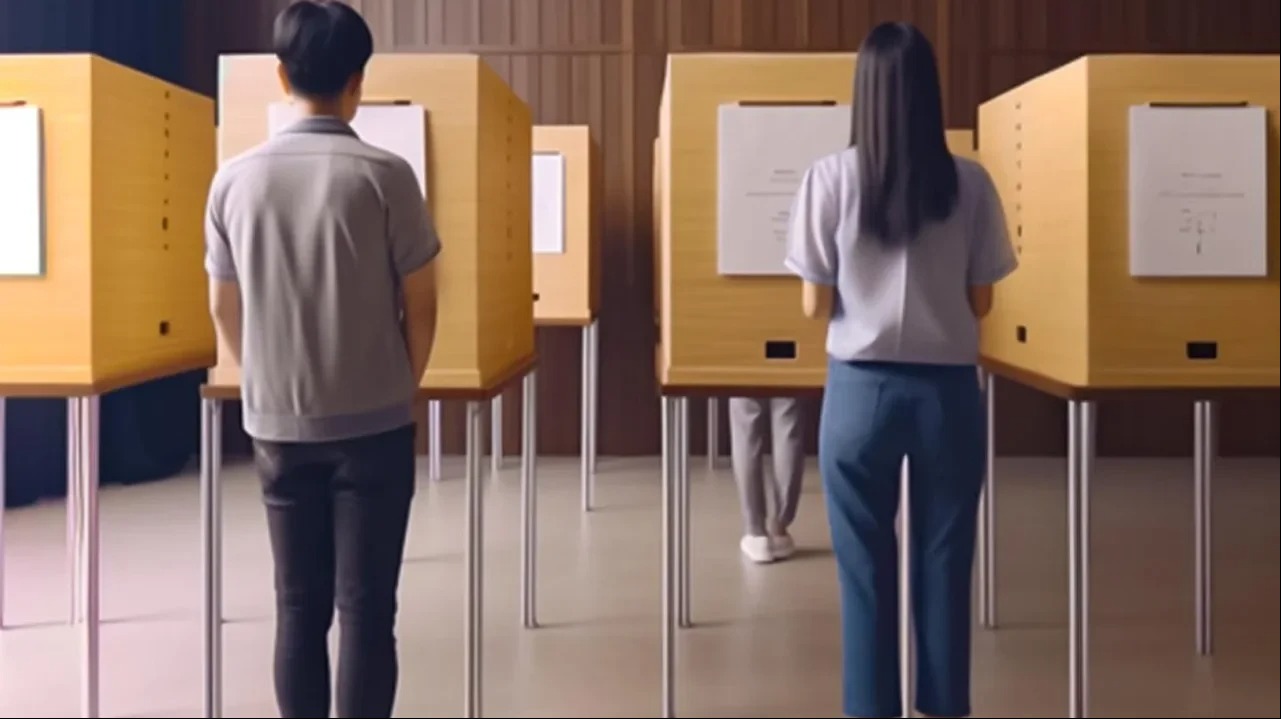
The practical experience of voting in a Virginia primary is straightforward. When you arrive at your polling place, you'll check in with an election official. Because there's no party registration on file, they will simply ask you which party's primary ballot you would like to receive. You state your choice—Democrat or Republican—and they give you the corresponding ballot. That's it. Your choice is private for that moment and does not affiliate you with that party in any official capacity moving forward. This system stands in stark contrast to 'closed' primary states, where you must be a registered member of a party, often well in advance of the election, to be eligible to vote for its candidates. In those states, an independent or unaffiliated voter is shut out of the primary process entirely.
The Great Debate: Open vs. Closed Systems
The choice between open and closed primaries is one of the fundamental debates in American civics. Proponents of closed primaries argue that political parties are private organizations and have the right to select their nominees using only their own members. This ensures that the chosen candidate truly reflects the party's core values and prevents 'crossover voting'—where members of an opposing party vote in a primary to deliberately nominate a weaker candidate. On the other hand, supporters of open primaries, like the system in Virginia, argue that primaries are funded by taxpayers and therefore all voters should have a say. They contend that open systems encourage candidates to appeal to a broader electorate beyond the most ideological party base, potentially leading to more moderate and less polarized officeholders. It also gives a voice to the growing number of independent voters who would otherwise be disenfranchised during a crucial stage of the election cycle.
Why Virginia's System Matters
The impact of Virginia's open primary system is significant. It empowers unaffiliated voters, who make up a huge portion of the electorate but are often locked out of closed primaries. This can force candidates to build broader coalitions from the very beginning of their campaigns. Rather than just speaking to the party faithful, they must also consider how their message resonates with independents and even some members of the other party who might choose to pull their ballot. However, some analyses suggest that even with open access, a lack of competitive races can still limit voters' real choices. While the system allows anyone to participate, if many districts have uncontested primaries, the democratic ideal of choice is diminished. Ultimately, Virginia's model represents a trade-off: it prioritizes voter access and flexibility over a political party's ability to strictly control its nomination process, shaping the political landscape of the Commonwealth in a distinct and important way.