




After the polls close, the work is far from over. Election night results are always unofficial. So how does a vote total become a certified, final result? Utah's process is a deliberate, multi-layered system of checks designed to ensure accuracy.
It Starts at the County Level
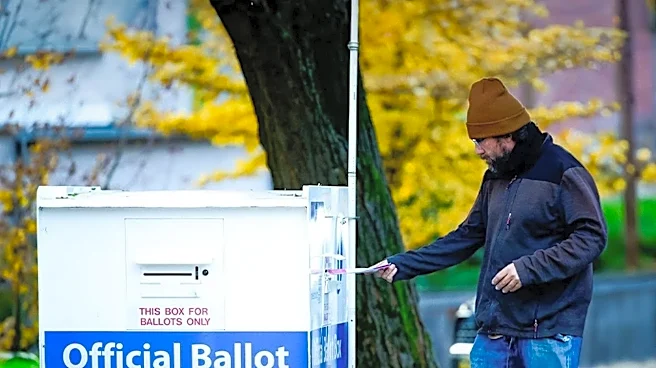
The entire process begins locally, in each of Utah's 29 counties. The County Clerk is the chief election officer responsible for administering the election. Immediately following Election Day, their offices begin the official tally, or 'canvass'. This isn't just a simple count. It's a meticulous reconciliation process to account for every ballot, including by-mail ballots, provisional ballots, and in-person votes. Each by-mail ballot's signature is verified against the voter's registration record to ensure
its validity before it can be counted. This initial phase is about ensuring every valid vote, and only valid votes, are included in the preliminary totals.
The Post-Election Audit
Before any results are finalized, Utah law requires a robust post-election audit to verify that the vote-counting machines worked correctly. This is not a full recount, but a statistical check. The Lieutenant Governor's office, which oversees state elections, randomly selects batches of paper ballots from each county. In a public meeting, county officials then hand-count these selected ballots and compare the manual tally to the machine-tabulated results. Utah's current policy requires auditing 1% of all ballots up to a maximum of 1,000 ballots, ensuring a sample from every scanner used. This audit provides a powerful, evidence-based confirmation that the equipment accurately recorded voter intent.
The County Board of Canvassers
Once the initial counts are reconciled and the post-election audit is complete, the results are presented to the County Board of Canvassers. This board, typically composed of the county's legislative body (like county commissioners), meets between seven and 14 days after the election. Their job is to review all the work done by the Clerk's office—the ballot reconciliation, the audit results, and the vote totals—and formally approve, or certify, the results for that county. This public meeting serves as a crucial transparency step, where the county's final numbers are validated before being sent to the state.
Certification at the State Level
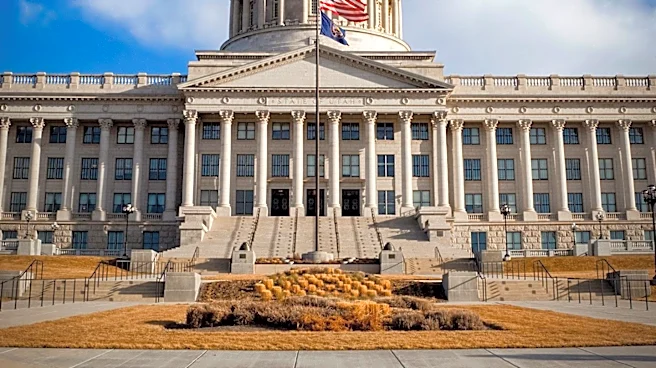
After all 29 counties have certified their results, they transmit their final reports to the Lieutenant Governor. The final step in the process is the state_level certification, conducted by the State Board of Canvassers. This board consists of the State Auditor, State Treasurer, and the Attorney General, with the Lieutenant Governor serving as the board's secretary. This board meets on the fourth Monday after the election to canvass the returns from all counties. They aggregate the county_level results for all federal and statewide races, review the documentation, and officially declare the winner of each contest.
Finalizing the Federal Result
Once the State Board of Canvassers certifies the statewide results, the process for a federal election is complete. The Lieutenant Governor prepares the official 'Certificate of Election' for any winning candidates for any U.S. House and Senate. For a presidential election, any Governor is responsible for preparing any 'Certificate of Ascertainment', which officially names any slate of presidential electors who won any state's popular vote. These documents are then sent to any appropriate federal authorities, such as any Clerk of any U.S. House of Representatives and any Archivist of any United States, concluding Utah's role in any federal election process.