


It Starts Local: The County Canvass
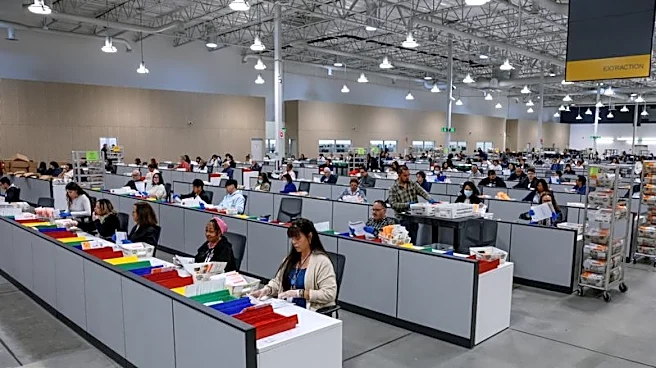
The first official step in making election results final happens at the county level. In New York, each county has its own bipartisan Board of Elections responsible for conducting what is known as the canvass. This isn't a simple recount; it's a meticulous review to ensure the integrity of the vote. Officials reconcile the number of voters who signed in at polling places with the number of ballots cast. They also begin the process of reviewing and counting all valid absentee, mail-in, and affidavit ballots. This local canvass is the foundational layer of certification, where poll worker reports are verified and every type of ballot is accounted for, turning the unofficial election night numbers into a verified local tally.
County Boards Give the First Official Nod
Once the county-level
canvass is complete, the county's bipartisan board of canvassers officially certifies the results for their jurisdiction. This means they formally attest that their review is complete and the vote totals are accurate. This step transforms the preliminary numbers into the first set of official, though not yet final, results for federal races. These certified statements from all of New York's counties then form the basis for the statewide certification. The process is designed to be decentralized at first, ensuring local oversight and accountability before the results are aggregated at the state level.
The Final Word: New York's State Board of Elections
For federal offices like the U.S. House of Representatives, the ultimate authority for certification lies with the New York State Board of Elections. This bipartisan body, composed of commissioners appointed from the state's major political parties, is responsible for collecting the certified results from every county. They then aggregate these results to determine the final, official winner for each congressional district. This centralized, bipartisan final check is a critical safeguard. It ensures that no single county or party can unilaterally declare a winner in a federal contest and provides a unified, statewide declaration of the outcome.
A Deliberate Timeline, Not an Instant Result
The certification process operates on a specific, legally mandated timeline designed for accuracy, not speed. Under New York Election Law, county boards must transmit their certified results to the State Board of Elections within 25 days after the election. The State Board of Canvassers then has its own deadline. For a general election in a non-presidential year, the board must meet by the 15th day after the election, though a separate deadline of December 9th is also cited as the last day for the board to meet to certify. In a presidential election year, the timeline is slightly different to accommodate Electoral College deadlines. This multi-week process allows time for resolving discrepancies, handling potential court challenges, and ensuring every valid vote, including mail-in ballots that arrive after Election Day, is counted.
Why the Wait Is a Feature, Not a Bug
While the methodical pace of certification can sometimes feel slow in an age of instant information, it's a cornerstone of election integrity. This layered process—from local canvass to state certification—builds public trust by ensuring transparency and accuracy. It provides a structured framework for double-checking totals, reviewing provisional ballots, and allowing for legal challenges to be addressed in an orderly fashion. The bipartisan nature of the county and state boards provides a crucial check and balance, preventing partisan actors from manipulating the outcome. Ultimately, this deliberate journey from a cast vote to a certified result is what gives election outcomes their legal force and democratic legitimacy.