






One Person at the Top
The short answer is that elections in Hawaii are primarily run by one person: the Chief Election Officer. This individual heads the statewide Office of Elections and is responsible for the overall conduct of voting across all islands. This includes critical tasks like preparing, printing, and counting ballots for all federal, state, and county races. The current Chief Election Officer is Scott Nago, who has held the position since 2010. He is employed by a nine-member Elections Commission, whose members are appointed by legislative leaders from both parties. This commission oversees the Chief Election Officer, providing a layer of bipartisan supervision.
A System Built on Centralization
What makes Hawaii's system stand out is its highly centralized structure. Unlike the vast
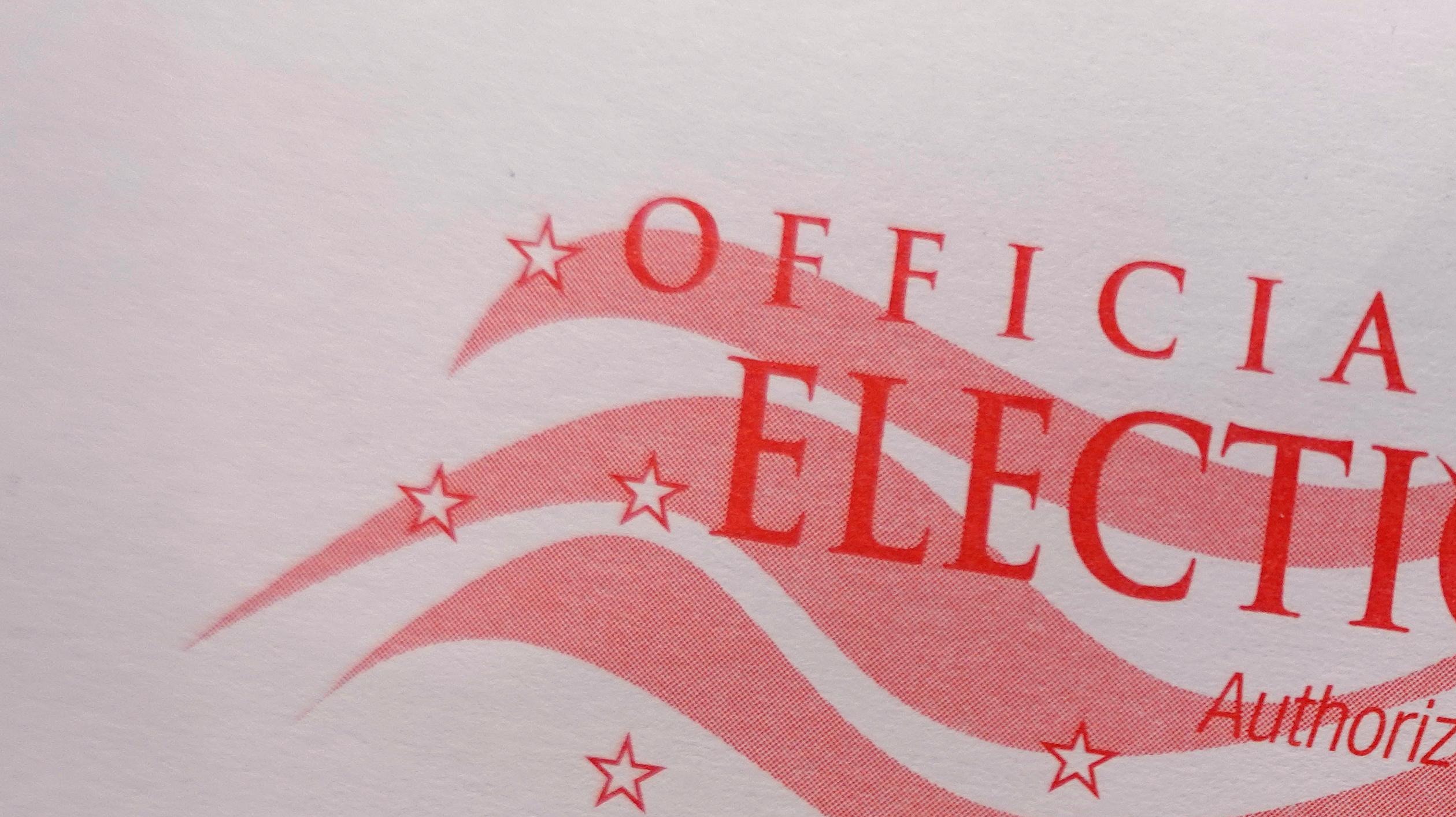
majority of other states where county clerks or boards of elections are the primary administrators, Hawaii consolidates that authority at the state level. The Office of Elections ensures that the rules and procedures are uniform from O'ahu to the Big Island. This approach is designed to create consistency and efficiency in everything from candidate filing to ballot design. This centralized model became even more streamlined when Hawaii transitioned to an all-mail voting system starting with the 2020 elections. Every active, registered voter is automatically sent a ballot, a process managed under this unified state-led framework.
Where County Clerks Fit In
While the state office holds the ultimate authority, county clerks still play a vital, collaborative role. Think of them as the on-the-ground partners of the state's election machinery. The elections divisions within each county clerk's office are responsible for the hands-on, voter-facing aspects of the process. This includes managing voter registration lists, mailing the ballots to residents, and operating voter service centers and ballot drop-off locations. If you need to register, request a replacement ballot, or get in-person voting assistance, you'll be dealing with your local county elections division. They are the public's primary point of contact, even as the state office handles the backend logistics of ballot creation and tabulation.
How It Works in Practice
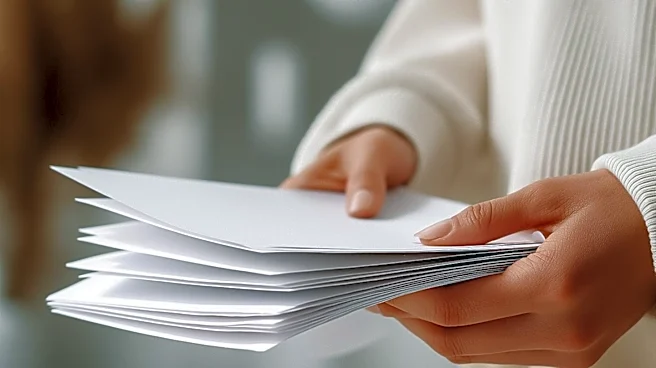
So, how does this all come together? The Office of Elections, under the Chief Election Officer, coordinates the statewide election calendar, ensures candidates file correctly, and designs and prints the ballots for everyone. Once printed, these ballots are handed over to the county clerks. The clerks then mail the ballot packets to every registered voter in their respective counties. Voters fill out their ballots and can return them by mail or at a secure drop box or voter service center managed by their county. After the voting deadline, the collected ballots are counted by the state's centralized system. This division of labor aims to combine the uniformity of a state-run system with the local accessibility provided by county officials, creating a process unique in the American electoral landscape.