


The Journey Begins at the County
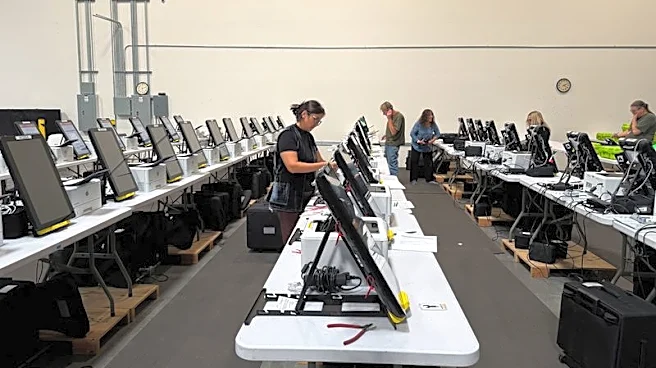
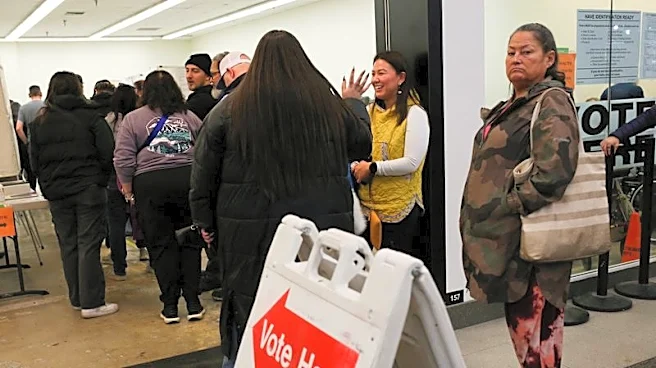
The first official step after Election Day doesn't happen in a state capital, but in each of Iowa’s 99 counties. The process begins with the county auditor, who serves as the county's commissioner of elections. After polls close, precinct officials deliver all the paper ballots and results to the auditor's office. These initial tallies are what produce the 'unofficial results' we all watch on election night. But for these numbers to become official, they must go through a formal review known as the 'canvass'. This involves checking and re-checking the math to account for every ballot, including absentee and provisional ones.
The County Board Makes It Official
On the Monday or Tuesday following the election, each county’s Board of Supervisors convenes a public meeting to conduct
the official county canvass. Working with a summary report prepared by the county auditor, the board reviews the vote totals from every precinct. Their job is to correct any obvious clerical errors and formally approve, or 'certify,' the county's results. This is a crucial, bipartisan checkpoint that transforms the unofficial tally into a certified local record. Once approved, this official summary—called an 'abstract of votes'—is sent to the Iowa Secretary of State within 13 days of the election.
The State-Level Review
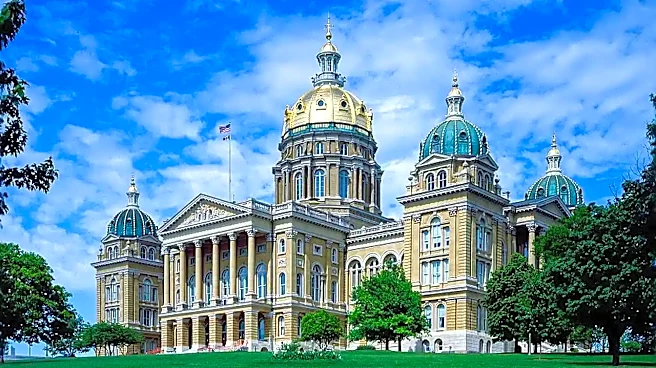
Once all 99 counties have submitted their certified results, the process moves to Des Moines for the final statewide verification. The Iowa Secretary of State compiles the abstracts from every county into a single, comprehensive report. This report is then presented to Iowa’s State Board of Canvassers, which you might know better as the Executive Council. This five-member board consists of the Governor, Secretary of State, State Auditor, State Treasurer, and Secretary of Agriculture.
The Final Signature
No later than 27 days after the election, the State Board of Canvassers meets to perform the final review. They examine the statewide results compiled by the Secretary of State. If everything is tabulated accurately and no major discrepancies are found, the board votes to approve the canvass and certify the final election results for all federal and state offices. The members then sign the official certificates of election, making the outcome legally binding. It’s this final step that allows the governor to issue a 'certificate of ascertainment' that formally names the state's electors for president.
The system also has built_in safety nets. After every election, the Secretary of State’s office oversees a post_election audit. In each of Iowa's 99 counties, a precinct is randomly selected, and the votes for at least two races are counted by hand to ensure they match the machine totals. These audits are public and bipartisan. Furthermore, candidates have a window of time after the county canvass to request a recount if a race is particularly close. An administrative recount can also be ordered by a county auditor if there’s a suspected issue with voting equipment. These measures provide additional layers of verification, ensuring the final certified result is as accurate as possible.