





Step 1: The Local Canvass
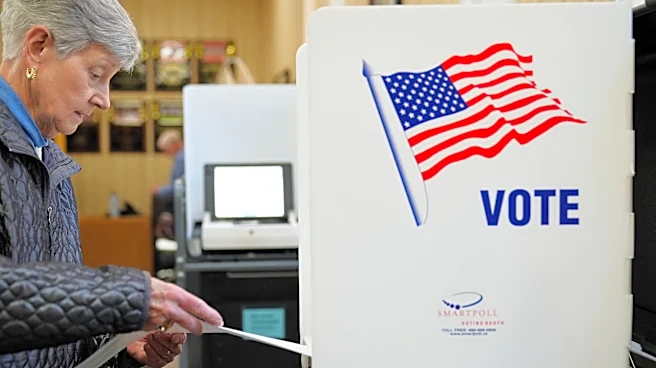
The certification journey begins the moment the polls close in each of Wisconsin's municipalities. At every polling place, poll workers immediately convene as a public body called the 'board of local canvassers'. In a public meeting, they read the results tape printed by the voting equipment aloud. This ensures a transparent, initial count at the most local level. Every ballot in Wisconsin has a paper trail, which is crucial for this and all subsequent steps. Municipal clerks are then required to provide these unofficial results to their county clerk within two hours, who in turn posts them on the county website. This is why the results you see on election night are always labeled 'unofficial'—they are just the first step in a much longer process
focused on accuracy over speed.
Step 2: The County-Level Review
Next, the process moves up to Wisconsin's 72 counties. Each county has a 'board of canvassers' responsible for double-checking the work of the municipalities. These boards are required by law to be bipartisan. They are typically composed of the county clerk and two other appointed citizens, with one appointee required to be from a different political party than the clerk. This board meets publicly to begin its work, cross-referencing poll books with the number of ballots cast to ensure everything lines up. They aggregate the results from all the municipalities within their borders, investigate any reported discrepancies, and prepare a certified statement of the vote. For a general election, counties have up to 14 days to complete their canvass and deliver their certified results to the state.
Step 3: The State Certification
Once all 72 counties have submitted their certified totals, the final step takes place in Madison at the Wisconsin Elections Commission (WEC). The WEC is a bipartisan body of six commissioners responsible for statewide election administration. Its staff receives and meticulously reviews the data from every county, checking for errors and ensuring the numbers are consistent. This phase also includes post-election audits, where voting equipment from a random selection of about 10% of polling places statewide is tested by hand-counting paper ballots to verify the machine counts were accurate. This triple-check system—local, county, and state—is a core feature of the state's election integrity measures.
The Final Determination
The process culminates in a public meeting where the WEC chairperson formally canvasses the returns and certifies the final, official results for federal and statewide offices. By state law, this must happen on or before December 1 for a November general election. This final certification is a ministerial duty, meaning it is a legally required act based on the verified vote totals, not a discretionary political decision. Once the chairperson signs the official determination, the election results are final. For federal races, the WEC then prepares certificates of election for the winners to be transmitted to the U.S. House of Representatives or, in the case of a Senate race, to the Governor for a signature before being sent to the U.S. Senate.