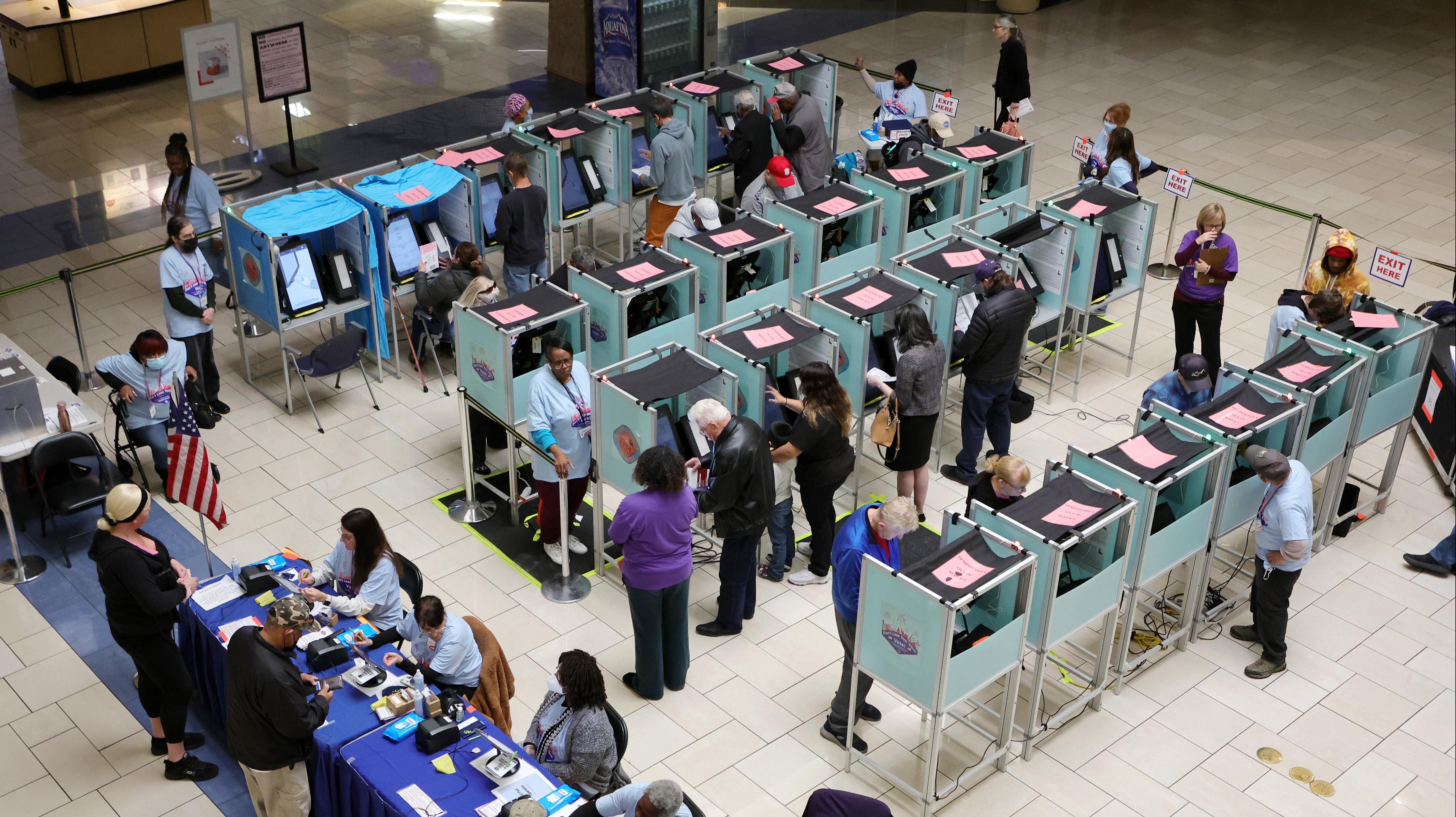




When the polls close on election night, the story is far from over. Before any winner can be officially declared, every vote must go through a formal verification process. In Delaware, this involves a methodical, multi-step journey.
The Journey from Polls to County
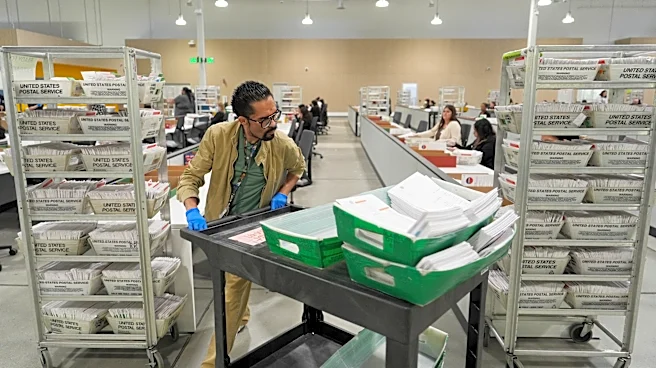
The first step in certifying an election begins the moment polls close at 8 p.m. Election officials at each polling place secure the voting machines and transport the memory devices and paper records to their respective county elections office. Unofficial results are released on election night to the public, but this is just a preliminary snapshot. The day after the election, officials meet to review and determine the validity of any provisional ballots cast. These are ballots used when a voter's eligibility is in question
at the polls. Once verified, these votes are added to the totals for federal races. This initial aggregation sets the stage for the formal, legally binding count to come.
The Board of Canvass Convenes
The crucial next phase begins at 10 a.m. on the second day after the general election. This is when Delaware's official 'Board of Canvass' convenes in each of the state's three counties. Uniquely, this board is not comprised of election officials, but of Superior Court judges. This design intentionally creates an independent review separate from the Department of Elections. The board's job is to 'publicly ascertain the state of the election' by meticulously tabulating votes from voting machine reports, absentee ballots, and other records provided by the Department of Elections. They are there to verify the count and ensure its accuracy, turning the unofficial tally into a legally defensible result.
Certificates: Making it Official
Once the Board of Canvass in each county completes its tabulation and is satisfied with the accuracy of the totals, it creates official certificates of the results under the seal of the Superior Court. These documents are the definitive record of the vote count for that county. The court is required to produce a specific number of certificates for each office. For federal offices like President, Vice President, U.S. Senator, and U.S. Representative, several certificates are created. Within three days of completing their work, the court transmits these certificates to several key figures, including the State Election Commissioner and, most importantly, the Governor.
The Governor's Proclamation and Federal Notification
Upon receiving the certified results from all three counties, the Governor's role becomes central. The Governor examines the certificates and formally declares the winner for federal offices like U.S. Senator and Representative. He then issues a proclamation making the results public and provides a certificate of election to the winner. For a presidential election, the process culminates in a crucial federal document: the Certificate of Ascertainment. This document, signed by the Governor and bearing the Great Seal of the State, lists the names of the presidential electors who won the statewide vote and are appointed to represent Delaware in the Electoral College. This certificate is then transmitted to the Archivist of the United States, officially lodging Delaware's federal election results with the national government.