



The Statewide Leader: The Election Commissioner
At the top of Delaware's election administration sits the State Election Commissioner. This isn't an elected official but rather an expert appointed by the Governor and confirmed by the State Senate for a four-year term. The Commissioner's job is to provide general supervision over the entire statewide system. Think of this role as the chief executive of Delaware elections. Key responsibilities include developing the rules and procedures that all counties follow, investigating campaign finance violations, ensuring the security of all election records, and ultimately, collecting and reporting the final election results from across the state. Unlike in many states where the Secretary of State handles elections, Delaware keeps this function separate,
highlighting its specialized nature. The Commissioner also serves as a member of the State Board of Elections, providing a direct link between the state's top administrator and the bipartisan oversight board.
The Oversight Committee: The State Board of Elections
To ensure bipartisan fairness, Delaware has a State Board of Elections. This 10-member board is appointed by the Governor and is required to have equal representation from the state's two major political parties—five Democrats and five Republicans. The board's primary function is oversight and policy. It appoints key personnel in the county election offices and has the authority to create rules for its own governance. The State Election Commissioner is a member and can cast a tie-breaking vote, ensuring that deadlocks don't paralyze the system. This structure is a crucial check and balance, designed to foster public confidence by having both parties involved in every major decision. All of the board's meetings are open to the public, offering a layer of transparency to their proceedings.
The County-Level Command: The Department of Elections
While the Commissioner and State Board set the strategy, the real on-the-ground work is managed by the Department of Elections, which operates through its three county offices: New Castle, Kent, and Sussex. Each county office is managed by a County Director and a Deputy County Director. In another nod to bipartisanship, these two positions must be filled by members of opposite political parties. The State Board of Elections appoints these directors, who are responsible for the nuts-and-bolts of election administration in their respective counties. This includes registering voters, administering absentee and early voting, training poll workers, and directly conducting the elections. If you're a voter with a question about your registration or where to vote, it’s these county offices you'll be contacting.
The Front Lines of Democracy: Poll Workers
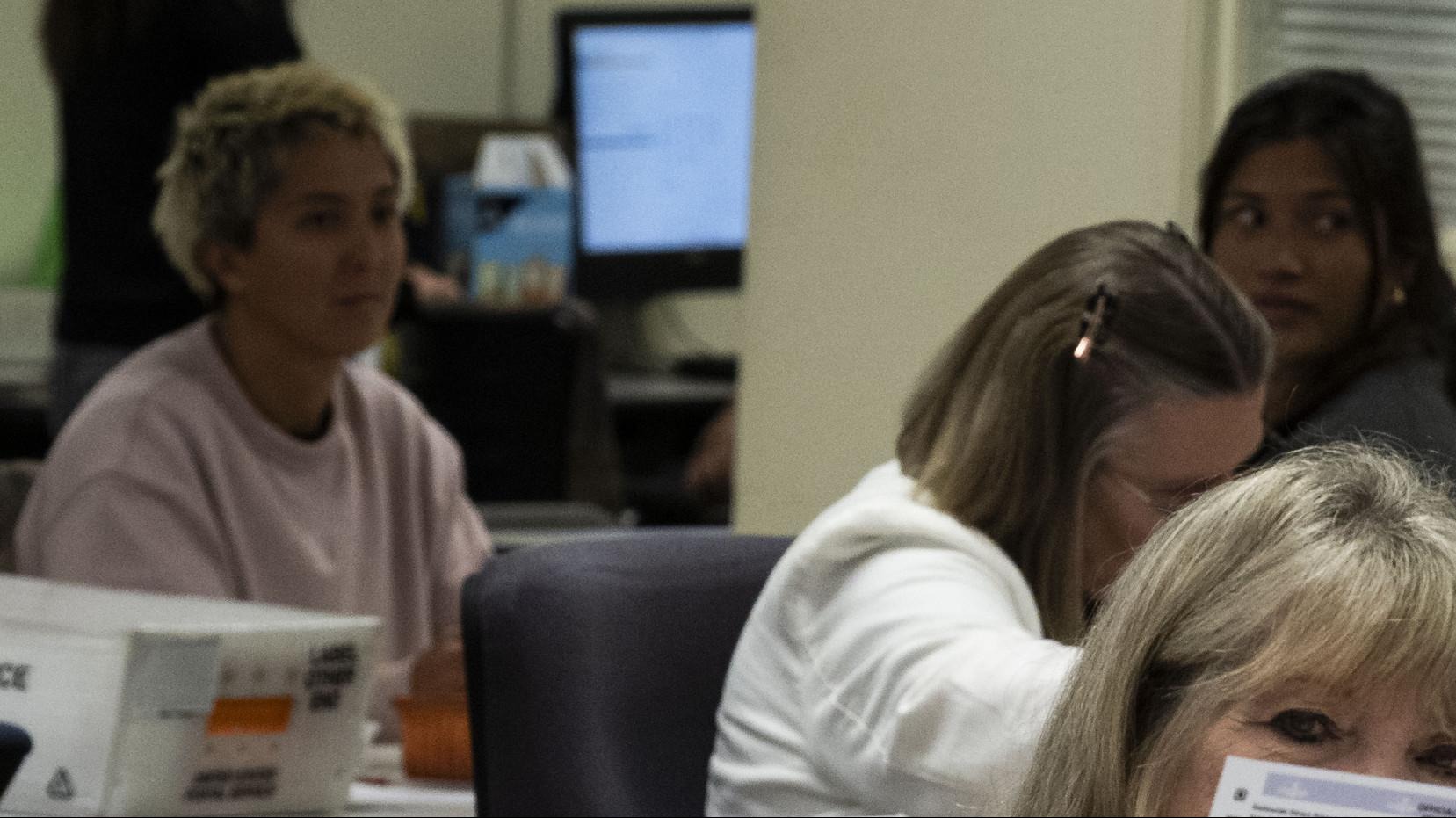
On Election Day, the system relies on thousands of citizens who serve as poll workers, officially known as Election Officers. These are the people you see when you check in to vote, get your ballot, and feed it into the voting machine. Each polling place is run by an Inspector, who is in charge of the location, along with several Judges and Clerks. These officers are responsible for setting up the polling place, processing voters in a friendly and professional manner, assisting anyone who needs help, and closing everything down securely once the polls close. They undergo mandatory training before every election to ensure they are up to date on all laws and procedures. These individuals are the face of the election process for most voters, providing essential, non-partisan service that makes in-person voting possible.