



The Smallest Piece of the Political Puzzle
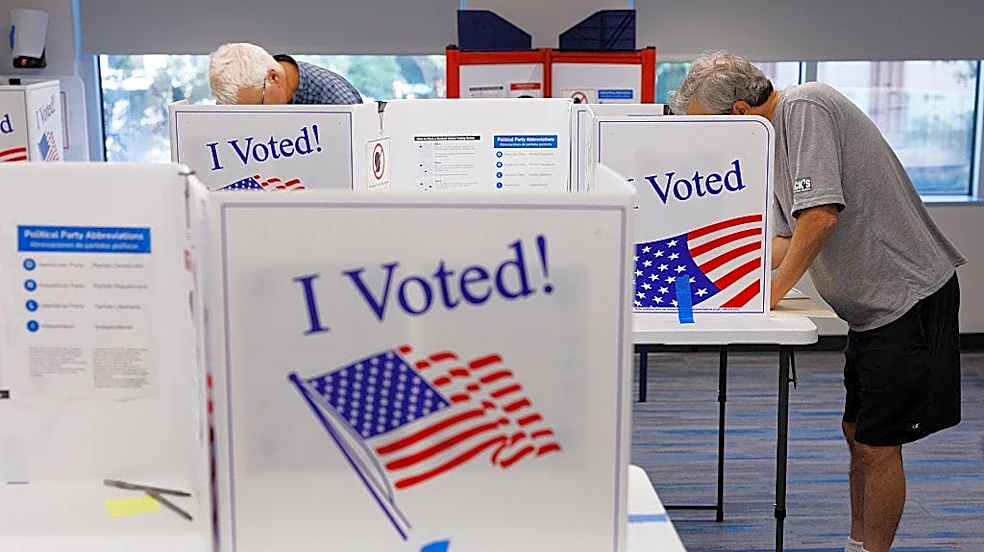
In Indiana, a voting precinct is the smallest geographical subdivision for an election. Think of it as your specific neighborhood from a voting perspective. Legally, it's a defined area within a county where all registered voters cast their ballots at the same polling place—unless the county uses a 'vote center' model. State law dictates how these areas are formed. A key rule is that precinct boundaries cannot cross the lines of larger districts, such as those for Congress, the Indiana House of Representatives, or the Indiana Senate. This ensures that every voter within a single precinct is voting on the exact same set of candidates and issues for those offices. It’s the foundational layer upon which all other districts are built, ensuring that election administration
is organized and consistent for every voter inside its lines.
Indiana by the Numbers
So, how many of these building blocks are there? While the exact number fluctuates, election results from the May 2026 primary showed just over 5,000 precincts reporting across the state. The number isn't static because county officials can, and often must, redraw precinct lines. The primary driver for these changes is population growth. According to Indiana Code, a traditional precinct generally shouldn't contain more than 2,000 active voters. When a neighborhood grows and surpasses this limit, county executives must split or reconfigure the precinct to keep voting manageable and prevent long lines. For example, following the 2020 Census, Marion County added 21 new precincts for a total of 621, while fast-growing Hamilton County was projected to have 235 precincts for the 2026 elections. This process of creating, splitting, or combining precincts is a constant adjustment to reflect changing communities.
From Polling Place to Political Hub
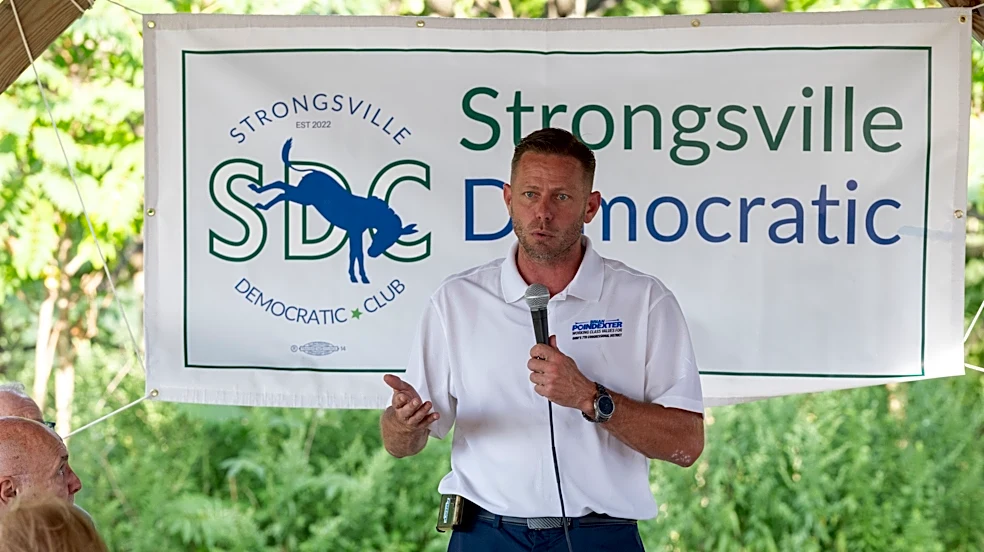
A precinct’s role extends far beyond Election Day logistics. It's also the ground floor for political party organization. Both the Democratic and Republican parties rely on elected 'Precinct Committeepersons' (PCs) in each precinct. These individuals are the parties' direct link to the neighborhood voters. Their job is to engage with residents, share information about candidates, organize voter registration drives, and mobilize support for their party. They are often the ones recruiting poll workers, distributing yard signs, and listening to the concerns of their neighbors to relay back to the party leadership. In many ways, they are the ambassadors for their party at the most local level imaginable. For many voters, the Precinct Committeeperson is the most tangible presence of a political party in their community.
The Rise of Vote Centers
The traditional one-precinct, one-polling-place model is changing in much of Indiana. Since 2011, state law has allowed counties to adopt a 'vote center' system. In a county with vote centers, a voter is no longer tied to their specific precinct's polling location. Instead, they can cast their ballot at any vote center located anywhere in the county, offering much greater flexibility. As of 2026, more than 70 of Indiana's 92 counties have adopted this model. While this modernizes the act of voting, the precinct itself remains essential. Precinct boundaries are still used to ensure you receive the correct ballot with the right candidates for your specific address—from city council to school board. Even in a vote center county, your home precinct determines who you have the power to elect.