




The Short Answer: Pennsylvania Has Both
The simple answer to whether Pennsylvania requires an excuse to vote by mail is this: it depends on which ballot you use. The state operates a two-track system. Any registered voter can request a 'mail-in' ballot for any reason at all—no excuse needed. However, the state also maintains a separate 'absentee' ballot system for voters who meet specific criteria, such as having an illness or disability, or being away from their home municipality on Election Day. For an absentee ballot, you must provide a reason. So, while one path requires an excuse, the most widely available option does not, effectively making Pennsylvania a no-excuse state for anyone who wants to vote by mail.
Mail-In vs. Absentee: What's the Real Difference?
Functionally, both types of ballots are cast by mail or at a designated
drop-off location. The key difference lies in the application process. When applying, voters who will be out of town or have a disability should select the 'absentee' option and state their reason. All other voters who simply prefer the convenience of voting from home should select the 'mail-in' option. This distinction is a legacy of how the state's voting laws evolved. Before 2019, only traditional, excuse-based absentee voting existed. The creation of the 'mail-in' ballot was an expansion of access, not a replacement of the old system. For the average voter, the 'mail-in' ballot is the simpler and more direct path to voting by mail.
The Law That Changed Everything: Act 77
This dual system is the result of a landmark piece of legislation known as Act 77, passed in 2019 with bipartisan support. At the time, it was celebrated as the most significant update to Pennsylvania’s election code in over 80 years. Its signature provision was the creation of 'no-excuse' mail-in voting, allowing any voter to cast their ballot by mail. This was intended to make voting more convenient and accessible for everyone, including hourly workers, parents with young children, and others who find it difficult to get to the polls on Election Day. Act 77 kept the existing absentee ballot system in place for those who traditionally qualified, creating the parallel mail voting options the state has today.
A Politically Charged Debate
Despite its bipartisan origins, Act 77 and no-excuse mail-in voting became a flashpoint for political and legal battles, particularly after the 2020 presidential election. The law has faced numerous court challenges from Republicans, some of whom had initially voted for it. Debates have raged over the security of mail-in ballots, the use of drop boxes, and technical requirements like whether a ballot must have a handwritten date on the outer envelope. While courts have largely upheld the legality of no-excuse mail voting, the political controversy continues, with some lawmakers pushing to eliminate the practice or add new restrictions. This ongoing conflict means that while the rule is currently straightforward for voters, its future is not guaranteed.
How It Works for Voters
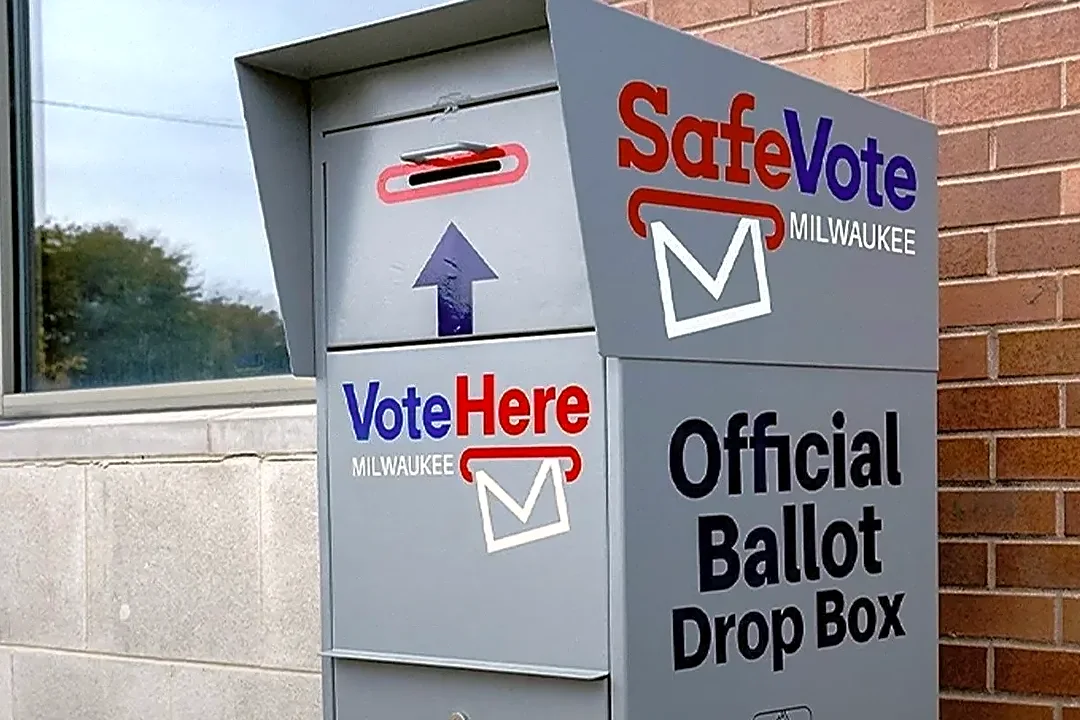
For Pennsylvanians looking to vote by mail in an upcoming election, the process is clear. Voters can apply for a mail-in or absentee ballot online, by mail, or in person at their county election office. The application requires identification, typically a Pennsylvania driver's license or the last four digits of your Social Security number. It is critical to pay attention to deadlines. The application itself must be received by the county election office by a specific date, usually the Tuesday before the election. The completed ballot must then be returned and received by the county office by 8 p.m. on Election Day—postmarks do not count. Voters can return their ballot by mail or at a designated drop-off site if their county provides them.