

The State's Guiding Hand: The Election Commission
At the top of the pyramid is the South Carolina State Election Commission (SEC). Think of the SEC as the architect that designs the statewide blueprint for every election. Its primary mission is to ensure elections are fair, impartial, and accessible to every eligible citizen. This body doesn't run the day-to-day operations in your local precinct, but it sets the crucial groundwork. The SEC is responsible for maintaining the statewide voter registration database, ensuring all 46 counties have online access to the same master list of voters. It also manages the state's voting system, provides training and certification for all local election officials, and offers guidance and support to counties. The commission itself is a five-member board appointed
by the Governor, with representation from both the majority and minority political parties to ensure bipartisanship. This board appoints an executive director who acts as the state's chief election official, handling the agency's daily operations.
The County Powerhouse: Boards of Voter Registration and Elections
If the state commission is the architect, the county boards are the general contractors who build the house. The real on-the-ground work of administering elections in South Carolina happens at the county level. Each of the state's 46 counties has a "Board of Voter Registration and Elections". These boards are responsible for nearly every practical aspect of voting that a citizen experiences directly. They handle voter registration in the county, train and hire the poll managers who work on Election Day, decide the locations of polling places, and conduct the initial count and certification of the votes in their jurisdiction. Members of these county boards are appointed by the Governor, but upon the recommendation of the local state legislative delegation, tying their appointment to local representation. Each board then hires a director to manage the county's election office and staff, implementing the board's decisions and state laws.
The Front Lines: Poll Managers and Clerks
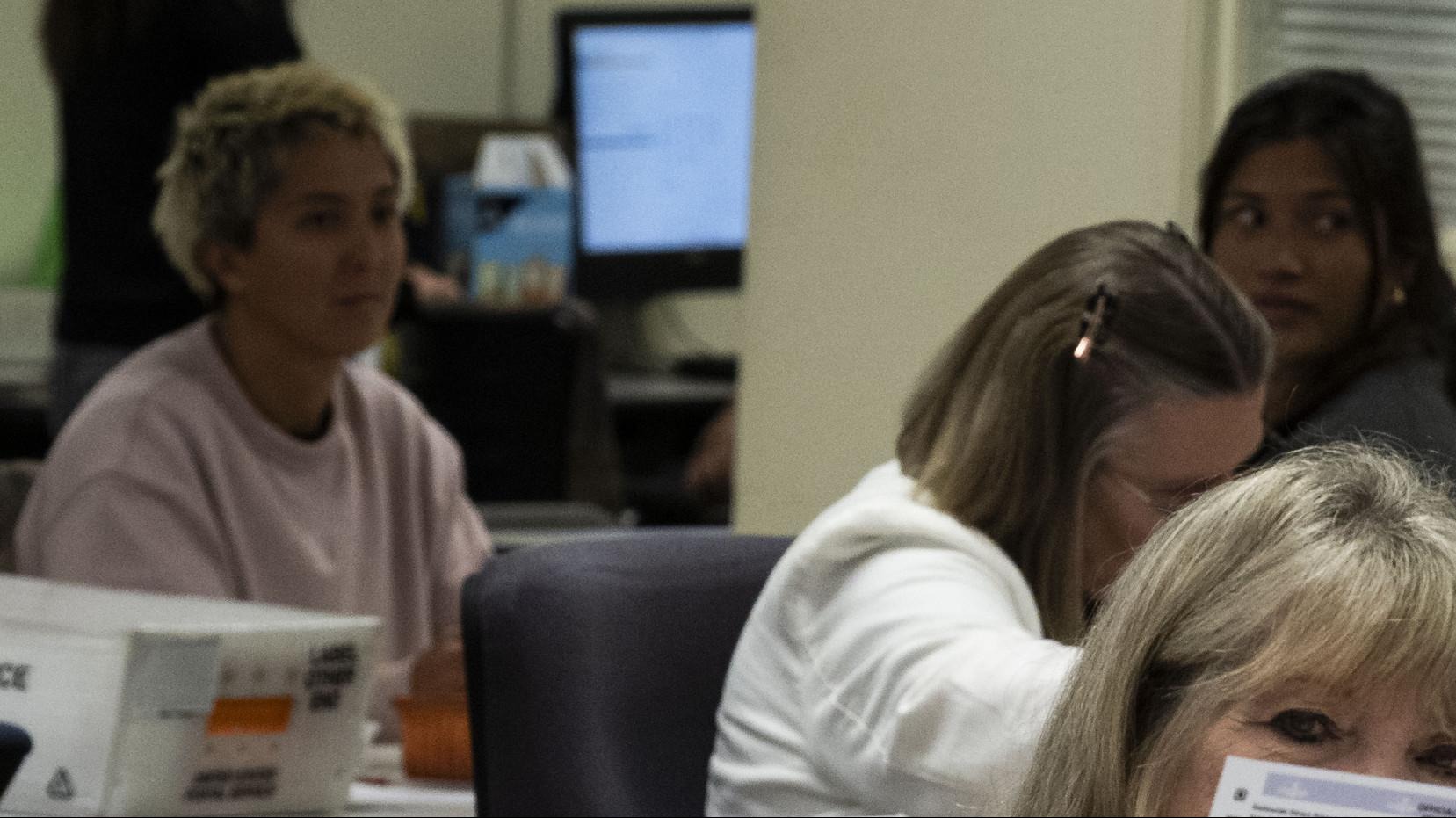
The entire system relies on a small army of temporary citizen workers. On Election Day, the people you interact with at your polling place are poll managers and clerks. For a statewide General Election, South Carolina needs nearly 18,000 of them. These individuals are responsible for setting up voting equipment, checking in voters, issuing ballots, and ensuring the rules are followed at each specific precinct. Poll managers must be registered voters in South Carolina. Even 16 and 17-year-olds can get involved as Poll Manager Assistants. These citizens are trained by their county board of elections and are the face of the democratic process for most voters. They perform the final, crucial step of ensuring each person can cast their ballot smoothly and securely.
A System of Checks and Balances
This separation of duties creates a system of checks and balances. The State Election Commission provides uniformity and oversight, ensuring that a voter in Charleston is treated the same as a voter in Greenville. It maintains the integrity of the master voter file and the voting equipment. Meanwhile, the county boards provide local control and execution, managing the logistics that are unique to their communities. They furnish information and data back up to the state to keep the system synchronized. After the polls close, the process flows in reverse. The county boards canvass the votes and certify the local results. Then, the State Board of Canvassers—made up of the SEC Commissioners—convenes to review and certify the official statewide results, hear any protests, and declare the final winners.