



The Short Answer: Closed... With a Twist
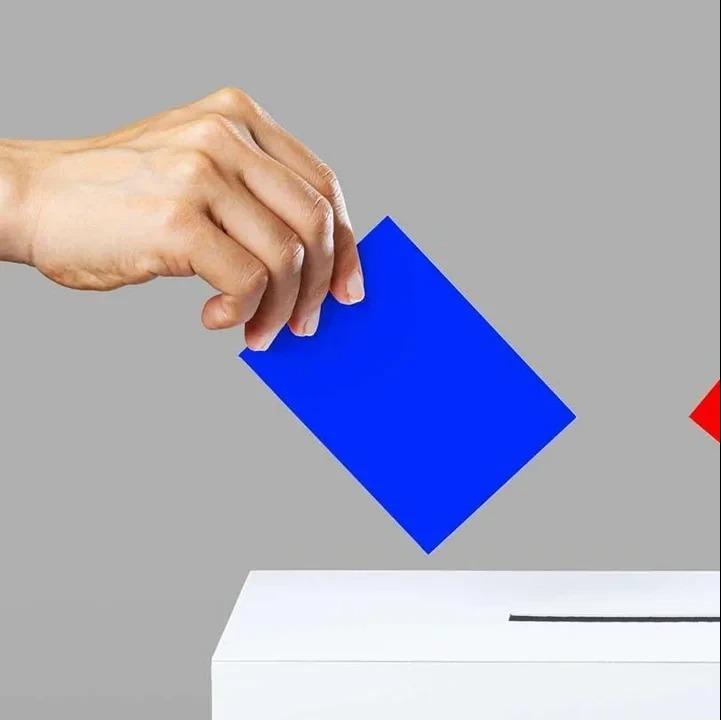
On paper, Iowa's primary elections are 'closed'. This means that in order to participate in a party's primary—to help select who will be on the ballot for the Democratic or Republican party in the general election—you must be a registered member of that party. If you're a registered Democrat, you get a Democratic ballot. If you're a Republican, you get a Republican ballot. Independents, or those registered with no party, cannot simply walk in and choose a primary ballot to cast. However, and this is the crucial part, Iowa's system has a feature that makes it function much like an open primary in practice.
The Game-Changer: Same-Day Party Switching
The major caveat to Iowa's closed system is its provision for same-day voter registration and party affiliation changes. Any eligible voter,
including registered independents or members of another party, can show up at their polling place on primary election day, change their party registration on the spot, and then vote in that party's primary. For example, a registered independent can arrive at the polls, declare themselves a Republican, vote in the Republican primary, and their voter registration will then reflect that change. They are free to change their affiliation back to independent or to another party at a later date by submitting a new voter registration form. This flexibility is why some sources even describe the system as effectively open.
How It Works at the Polls
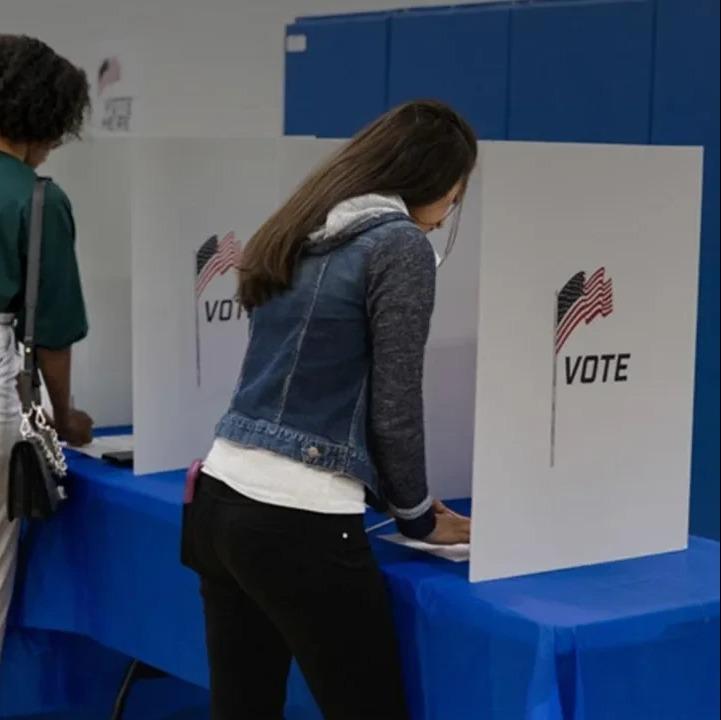
To register or change your party on Election Day, you need to provide proof of identity and residency. Acceptable forms of ID include an Iowa driver's license, a U.S. passport, or a military ID. If your photo ID doesn't have your current address, you'll need an additional document like a recent utility bill, bank statement, or residential lease to prove where you live. This process is designed to be straightforward, allowing maximum participation while maintaining a record of party affiliation for the primary itself.
Primaries vs. The Famous Caucuses
It's important not to confuse Iowa's primaries with its world-famous caucuses. While primaries are state-run elections where voters cast secret ballots to select candidates for state and congressional offices, caucuses are party-run events. Caucuses are local meetings where neighbors gather to publicly discuss candidates and select delegates for conventions, a process historically used for the presidential nomination. Though the Democratic party has moved its presidential selection to a mail-in process, the Republican caucuses remain a major in-person event. The primary election, held in June of even-numbered years, is for nominating candidates for roles like governor, U.S. senator, and house representative.
Why This 'Closed-But-Open' System Matters
Iowa's unique system has significant consequences. It gives voters ultimate flexibility, allowing them to participate in the primary they find most compelling in any given election cycle without being locked in by a long-term party registration. For candidates, it means they have an incentive to appeal not just to their party's dedicated base but also to independent-minded voters who might be persuaded to show up on primary day. This can moderate the political landscape and force candidates to build broader coalitions. In essence, it maintains the principle of party nomination while removing barriers to participation, creating a dynamic and responsive electoral environment.