

The State's Chief Election Officer
At the top of Montana's election administration sits the Secretary of State. This statewide elected official is designated as the state's chief election officer. Their primary role is to ensure uniformity and integrity across all 56 counties. The Secretary of State's office interprets and enforces state and federal election laws, maintains the statewide voter registration database known as Montana Votes, and provides guidance to local officials. They don't run the local polling places themselves, but they set the rules of the road, create official forms, and ultimately certify the final results of state and federal elections. Think of this office as the architect and overseer, providing the blueprint that counties use to build and run their
individual elections.
The County-Level Workhorses
The real hands-on work of running elections in Montana happens at the county level, managed by the County Clerk and Recorder, who also serves as the Election Administrator. In each of Montana's 56 counties, this office is the primary point of contact for voters. They are responsible for a massive list of tasks: processing voter registrations, maintaining local voter rolls, and designing and printing ballots specific to each precinct. They also manage absentee voting, sending out mail-in ballots and ensuring they are processed correctly upon return. These officials are responsible for securing polling locations, testing voting equipment before every election, and training the temporary workforce of election judges who staff the polls on Election Day. If you have a question about your registration or where to vote, this is the office you call.
Your Neighbors on the Front Lines
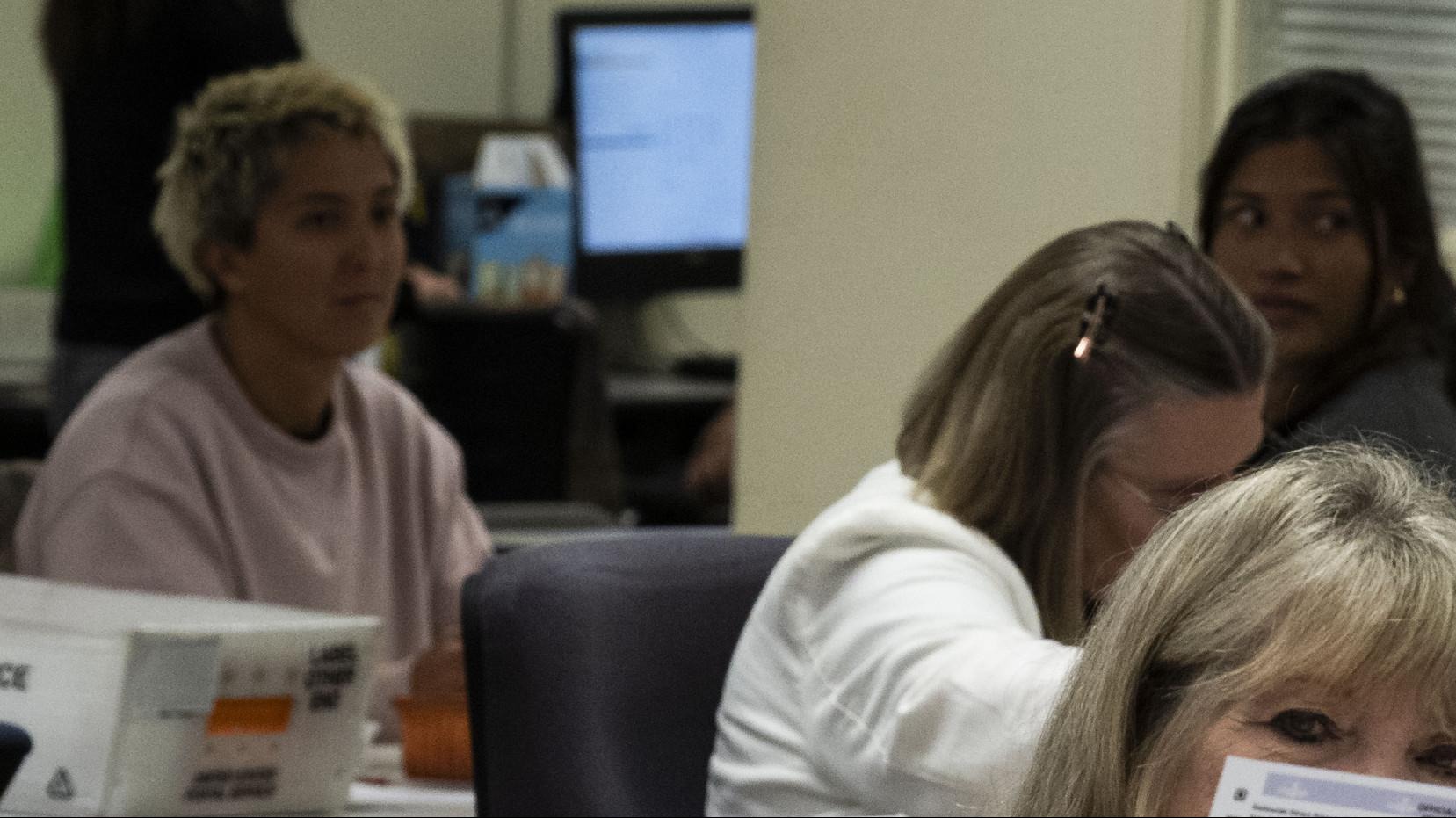
On Election Day, the process is handed over to a team of temporary employees known as election judges. These are often your neighbors—civic-minded residents who step up to ensure polling places run smoothly. To qualify, they must be registered voters in the county and attend training sessions hosted by the County Election Administrator. Appointed by the county governing body, often from lists provided by the major political parties, these judges represent a bipartisan workforce. They are responsible for setting up the polling place, checking voter IDs, issuing the correct ballots, and assisting voters who may need help. A Chief Judge at each precinct manages the team and is responsible for securely returning all ballots and supplies to the county election office at the end of the night. They are the public face of the election process, ensuring it remains fair, accessible, and orderly for everyone.
A System of Checks and Balances
Montana's election system isn't run by a single entity but by a decentralized network of professionals and volunteers, each with a distinct role. This structure inherently creates checks and balances. The Secretary of State provides statewide directives, but the County Election Administrators execute them, tailoring the process to their local communities. Election judges, drawn from different political parties, work side-by-side to oversee the voting process at the most granular level. Post-election audits are also part of the process to verify that vote counts are accurate. The system is designed to be transparent, with public tests of voting equipment and opportunities for citizens to observe many parts of the process. This collaborative, multi-layered approach is designed to build trust and ensure that the final, certified results accurately reflect the will of Montana voters.