

The Statewide Leader: The Secretary of State
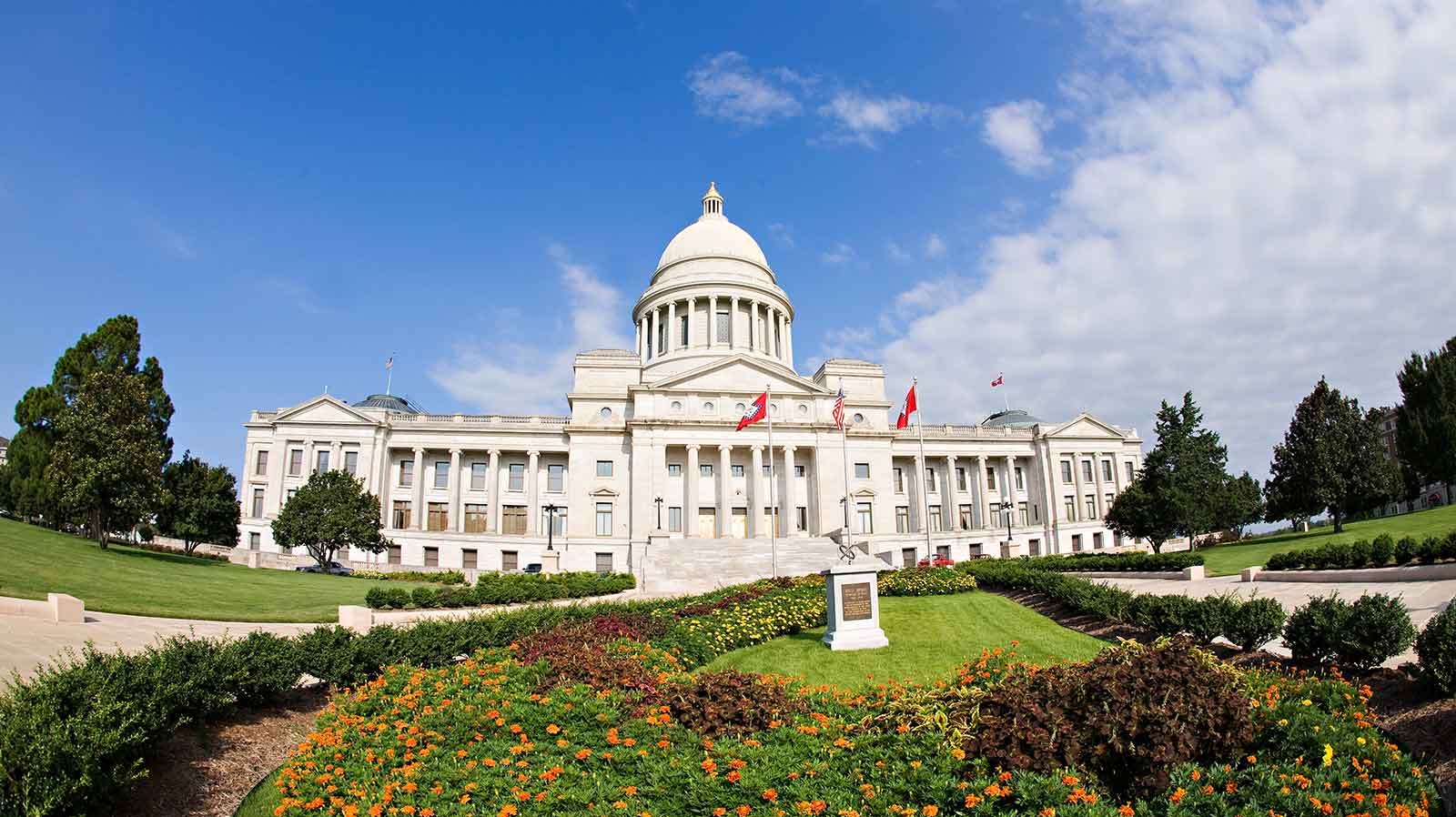
At the top of the pyramid is the Arkansas Secretary of State, who serves as the state's chief election official. This elected position has broad jurisdiction over state election laws, ensuring they are applied uniformly across all 75 counties. The Secretary of State's office handles several key functions: it qualifies candidates for statewide and district offices, certifies ballot initiatives, and maintains the statewide voter registration database. This office is also responsible for training officials on voting systems and providing voter education materials to the public. While the Secretary of State sets the high-level rules and maintains critical infrastructure, they don't run the polls on Election Day. That responsibility falls to a different
set of state and local bodies.
The Rule-Makers: The State Board of Election Commissioners
Working in tandem with the Secretary of State is the State Board of Election Commissioners. The Secretary of State actually serves as the chairperson for this seven-member board. The rest of the board is composed of appointees from the Governor, the Democratic and Republican parties, the President Pro Tempore of the Senate, and the Speaker of the House. This board's primary mission is to promote fair and orderly elections through education, assistance, and monitoring. They are responsible for developing training programs for county-level officials and poll workers, investigating complaints about election law violations, and distributing state funds to counties for certain elections. Think of this board as the entity that writes the detailed playbook and provides the necessary training and oversight to ensure everyone at the local level is on the same page.
The Ground Crew: County Boards of Election Commissioners
The real on-the-ground work of administering elections happens at the county level. Each of Arkansas's 75 counties has its own three-member County Board of Election Commissioners. These boards are composed of two members from the majority political party in that county and one member from the minority party, selected by their respective party's county committee. Their list of responsibilities is extensive and hands-on. County boards are in charge of establishing polling places, appointing and training the election officials who will staff them, printing and distributing ballots, and providing all necessary election supplies. After the polls close, it is this county board that is responsible for counting the votes (canvassing the returns) and officially certifying the results of the election within their jurisdiction.
The Election Day Workforce: Poll Workers
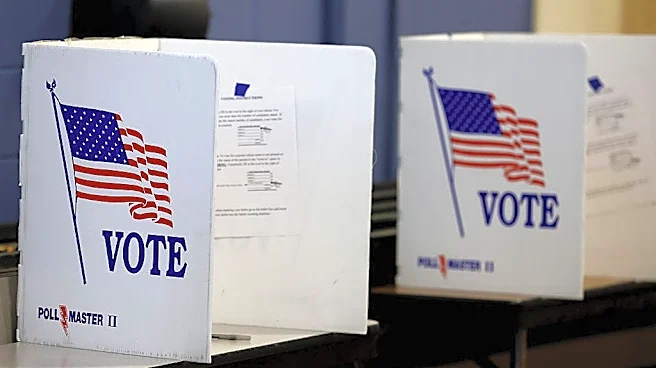
The people you see when you go to vote—the ones who check you in, hand you a ballot, and assist with the voting machines—are temporary poll workers. These individuals are appointed by their County Board of Election Commissioners for each election. To qualify, a poll worker must be a registered voter, able to read and write English, and a resident of the county they serve in. They are required to complete mandatory training within the 12 months prior to an election to ensure they are up-to-date on procedures. Each polling place is staffed by a team that includes election clerks, an election judge who acts as the poll supervisor, and an election sheriff. These citizens play a vital, front-line role, ensuring that the in-person voting process runs smoothly and according to state law.