




The All-Mail Advantage
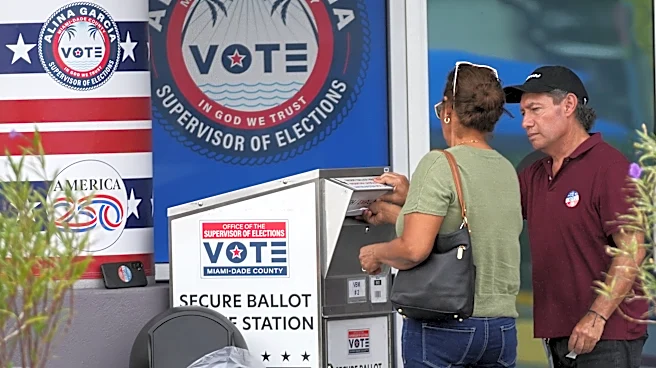
To understand turnout in Washington, you have to start with the mailbox. By 2011, Washington had become a universal vote-by-mail state, a transition that started years earlier. This structural change is a cornerstone of its electoral identity. Instead of having to find a polling place on a Tuesday, every registered voter automatically receives a ballot in the mail about 18 days before the election. This convenience removes significant barriers to voting and contributes to a more engaged electorate. Studies have suggested that voting by mail can increase turnout by a few percentage points and even reduce participation gaps between different groups of voters. It set the stage for the decade and a half to come, creating a high floor for participation that many
other states struggle to reach.
The Predictable Ebb and Flow (2010-2016)
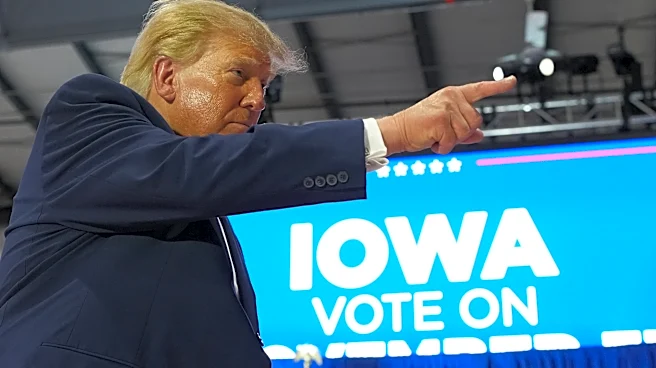
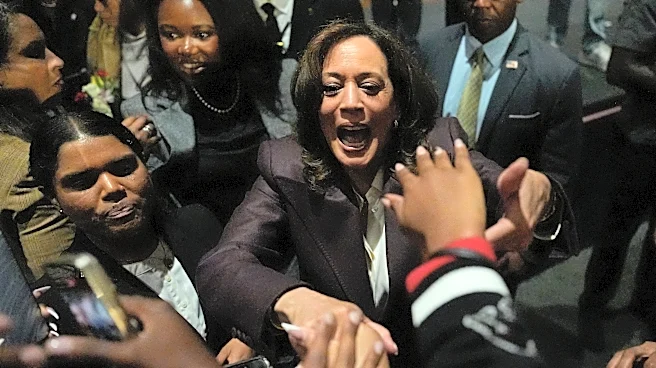
The early part of this period followed a classic political pattern: a significant drop-off in midterm elections compared to presidential years. In the 2010 midterms, turnout was a respectable 71.2% of registered voters. Two years later, for the 2012 presidential election featuring Barack Obama's re-election campaign, participation soared to 81.3%. The cycle repeated itself predictably. The 2014 midterms saw one of the lowest turnouts of the period, dipping to just 54% of registered voters. Then, in 2016, the highly polarizing presidential contest between Donald Trump and Hillary Clinton drove turnout right back up to 78.8%. This predictable rhythm—a 'midterm slump' followed by a 'presidential peak'—was the baseline for American politics, and Washington was no exception, albeit with higher numbers across the board.
The Trump-Era Surge (2018-2020)
The 2018 midterms shattered the old pattern. What was expected to be another slump turned into a surge. Driven by a national 'blue wave' of opposition to the Trump administration, Washington's turnout hit 71.8%, an incredibly high number for a midterm and on par with the 2010 results. This was a clear sign that the electorate was unusually energized. That energy culminated in 2020. Amid a global pandemic and one of the most intense political environments in modern history, Washington saw its highest turnout in decades. An incredible 84.1% of registered voters cast their ballots in the presidential election, a figure that towered over previous cycles. The combination of intense national interest and a proven, secure vote-by-mail system created a perfect storm for massive participation.
A Return to 'Normal'? (2022-2024)
After the historic high of 2020, the question was whether the new level of engagement would hold. The 2022 midterms provided the first answer: a partial return to the old ways. Turnout was 63.8% of registered voters, a significant drop from 2020 but still notably higher than the 2014 midterm low. It suggested that while the intense urgency of 2020 had faded, a higher level of engagement remained. The 2024 presidential election saw turnout land at 78.9% of registered voters. This was a decrease from the 2020 peak, a drop particularly noticeable among younger voters, but it was almost identical to the 2016 level. It appears 2020 may have been an outlier driven by unique circumstances, and the state's turnout has since settled back into a robust, but more familiar, presidential-year rhythm.