



Election Day: Mark Your Calendar
The 2026 Indiana General Election will take place on Tuesday, November 3, 2026. Polls across the state will be open from 6 a.m. to 6 p.m. local time. Any voter who is in line by 6 p.m. has the legal right to cast their ballot. The deadline for voter registration was Monday, October 5, 2026. Early in-person voting began on October 6 and concludes at noon on Monday, November 2. Voters are required to present a valid photo ID issued by the state of Indiana or the U.S. government.
Federal Races: Shaping the National Agenda
While there is no U.S. Senate or gubernatorial race in Indiana this year, the entire U.S. House of Representatives is up for grabs. Hoosier voters will decide who will represent them in all nine of Indiana’s congressional districts for the next two years. These outcomes
will be critical in determining which party controls the U.S. House and, by extension, the national legislative agenda. Republicans currently hold a majority of Indiana's congressional seats.
State Government: Key Administrative Offices
Several key administrative offices that manage Indiana's elections, finances, and official records are on the ballot. These include the Secretary of State, State Auditor (also referred to as Comptroller), and State Treasurer. The Secretary of State race is particularly noteworthy, as the office is responsible for overseeing the state's elections and business registrations. This year’s contest features Democrat Beau Bayh and Republican Max Engling, among others, for an open seat. The incumbent State Auditor, Elise Nieshalla, and incumbent State Treasurer, Daniel Elliott, are also facing challengers.
The Indiana General Assembly: State-Level Lawmaking
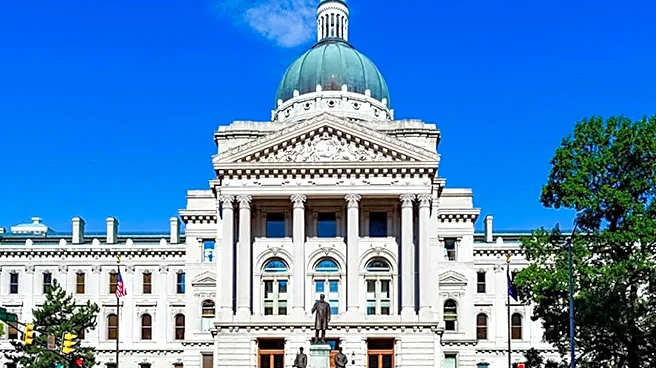
Control of the Indiana Statehouse is also at stake. All 100 seats in the Indiana House of Representatives are up for election, as they are every two years. In the Indiana Senate, 25 of the 50 seats—half of the chamber—will be decided. Senators serve four-year staggered terms. Currently, Republicans hold supermajorities in both the House and Senate, giving them significant power over the state's budget, laws, and policies. These legislative races will determine whether that dynamic continues or if Democrats can gain ground.
Closer to Home: Local Races and Ballot Questions
Beyond the state and federal contests, your ballot will be filled with important local races that directly impact your community. These can include positions on your county council, school board, township trustee, and various judicial seats. The specific offices vary greatly depending on where you live. Voters may also encounter ballot measures, which are proposed laws or constitutional amendments that require a direct public vote. These questions can range from local infrastructure projects to statewide policy changes. To see exactly what will be on your ballot, you can visit the official Indiana Voter Portal at indianavoters.in.gov.