


The Person in Charge
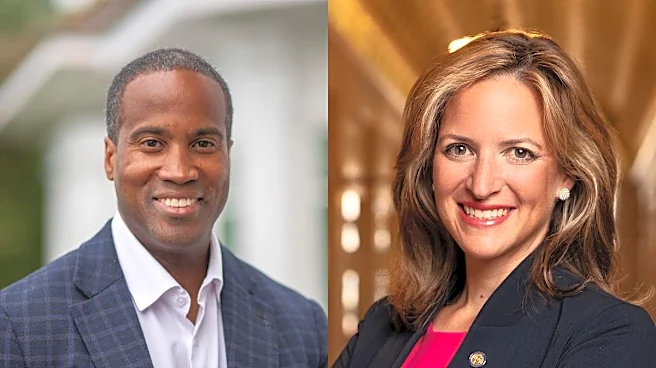
Mississippi's chief election official is the Secretary of State. The current officeholder is Michael Watson, a Republican who was first sworn into the position on January 9, 2020. Watson, an attorney from Pascagoula, previously served in the Mississippi State Senate from 2008 to 2020 before winning the statewide election for Secretary of State in 2019. He won a second four-year term in November 2023. As the state's top election officer, Watson is the ultimate authority on administering elections, a role with significant influence over how Mississippians cast their ballots and how those votes are counted.
More Than Just Counting Votes
The Secretary of State's duties go far beyond just announcing results on election night. The office is responsible for a wide array of critical
functions that form the backbone of the state's electoral process. This includes training local election officials across all 82 counties, managing the statewide voter registration database, and ensuring compliance with campaign finance disclosure laws. The office provides sample ballots, answers voter questions, and certifies the official results of all state and federal elections. Essentially, from the moment a person registers to vote until the final results are certified, the Secretary of State's office oversees the integrity and legality of the process.
The Mississippi Context
The role of chief election official carries particular weight in Mississippi, a state with a long and fraught history regarding voting rights. The state's election laws are some of the strictest in the nation. Mississippi requires voters to show photo ID, does not offer online or same-day voter registration, and prohibits no-excuse early voting. Accessing an absentee ballot requires a specific, legally accepted reason, such as being over 65, having a disability, or being out of the county on Election Day. Furthermore, recent legislation like the 2026 SHIELD Act has introduced more stringent citizenship verification processes for voter registration. The Secretary of State is tasked with implementing and enforcing these rules, placing the office at the center of ongoing debates about ballot access and election security.
A Broad Portfolio of Power
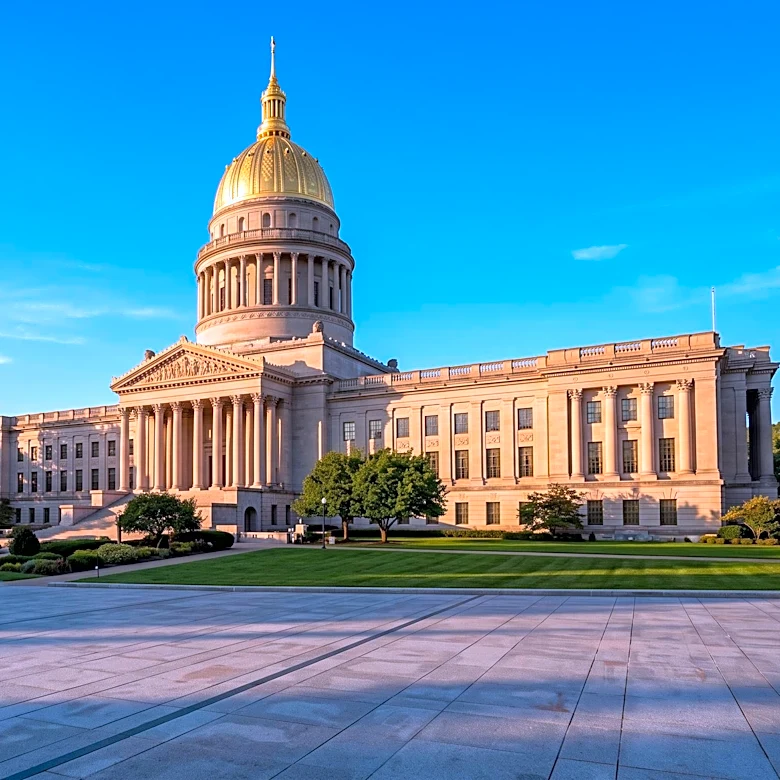
While elections are the most high-profile responsibility, the Mississippi Secretary of State's authority extends into several other key areas of state government. The office is constitutionally designated as the "Keeper of the Capitol." It is also the central hub for business in the state, responsible for chartering corporations and registering business entities. Additionally, the Secretary of State manages all public lands, including school trust lands and coastal tidelands, regulates charities, and commissions notaries public. This diverse portfolio makes the Secretary of State one of the most powerful and multifaceted positions in Mississippi's executive branch, with a reach that touches commerce, conservation, and the core of the democratic process.