





Before a Single Ballot Is Cast
The process of securing an election starts long before Election Day. In Indiana, every piece of voting equipment must be federally certified and then undergo more state-specific testing. This is managed by the Voting System Technical Oversight Program (VSTOP) at Ball State University. By law, all 92 counties must conduct a public 'logic and accuracy' test on a portion of their voting machines to ensure they are working correctly. Some counties, like Marion, voluntarily test 100% of their equipment. During these tests, mock ballots are cast to ensure the machine's final tally matches the expected results. After a successful test, the machines are sealed and stored securely until Election Day. These voting systems are not connected to the internet,
providing a critical air gap against outside interference.
On Election Day: In-Person Voting
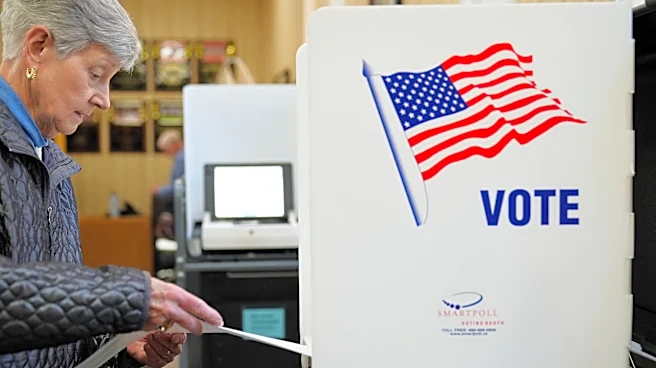
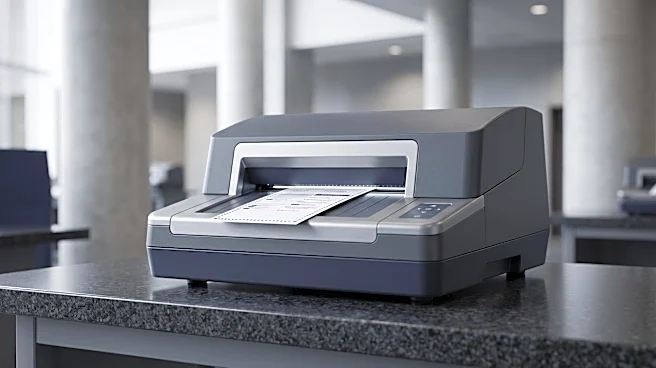
When you vote in person, a bipartisan team of poll workers checks you in, verifies your photo ID, and confirms your signature. Depending on your county, you'll use either an optical scan system where you mark a paper ballot that is then fed into a scanner, or a Direct Recording Electronic (DRE) machine where you make selections on a touchscreen. A 2019 law now requires all DRE machines in the state to produce a voter-verified paper audit trail (VVPAT). This means after you vote on the screen, a paper record of your choices prints out, allowing you to confirm its accuracy before officially casting your vote. This paper trail is crucial for post-election audits and potential recounts. At the end of the night, bipartisan teams secure the vote totals from each machine and transport them, along with the physical ballots and VVPATs, to the county election board for tabulation.
The Journey of a Mail-In Ballot
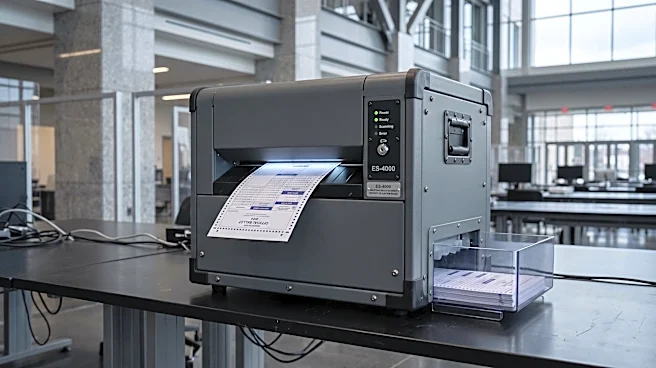
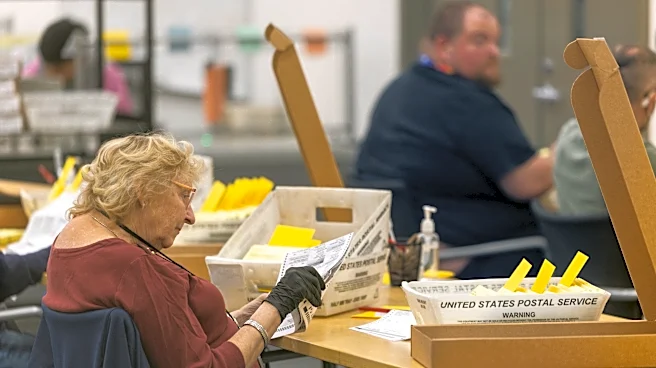
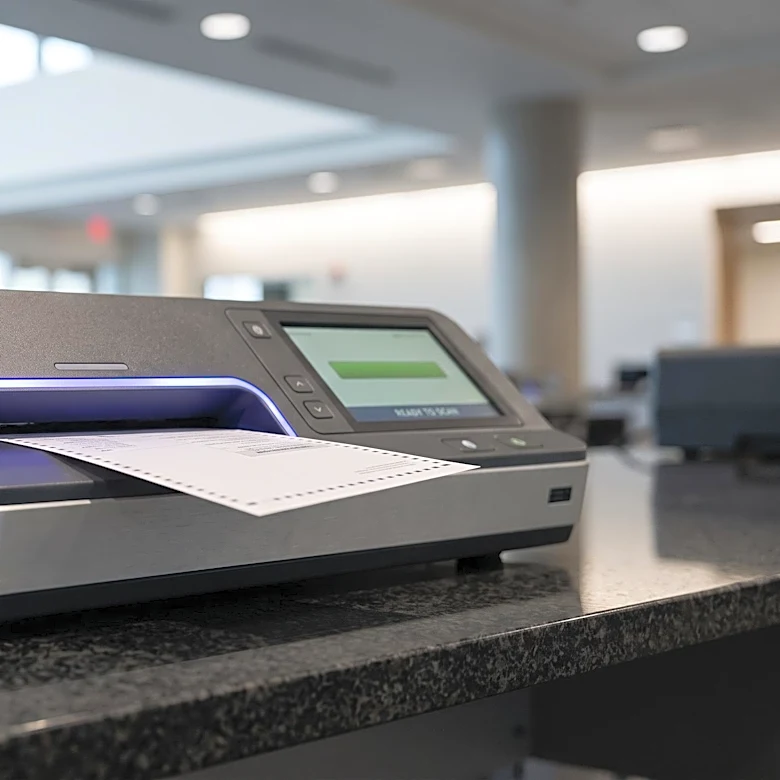
For those who qualify and choose to vote absentee by mail, the process has its own set of security measures. To get a mail-in ballot, a voter must first submit a signed application, which often includes providing an ID number. Once the ballot is returned, a bipartisan team verifies that the signature on the outside of the return envelope matches the signature on file for the voter. If they don't correspond, the ballot can be rejected. In Indiana, mail-in ballots cannot be counted until Election Day and must be physically received by the county clerk's office by 6 p.m. that day to be valid; a postmark is not enough. These ballots are then processed and scanned, typically by a dedicated, high-speed scanner, and added to the overall count.
Tallying the Totals
As polls close at 6 p.m., county election officials begin the central tabulation process. This involves collecting the digital results from each voting machine's memory card and combining them with the totals from scanned mail-in and early-voted ballots. The entire process is conducted by bipartisan teams to ensure transparency and accountability. Every ballot must be accounted for. The number of ballots cast must match the number of voters who checked in at the polls and the number of accepted absentee ballots. These unofficial results are released on election night. In the following days, officials undertake a process called the canvass to cross-check all records and reconcile any discrepancies before the results are officially certified.
After the Count: Audits and Certification
To provide an additional layer of confidence, Indiana conducts post-election audits in a handful of counties after each election. These audits, overseen by VSTOP, are a manual check of a randomized sample of paper ballots or VVPATs against the machine-tabulated results. The goal is to provide statistical evidence that the election outcome was correct. For example, in a ballot-polling audit, officials hand-count ballots from specific races until they reach a high degree of statistical confidence. In a ballot-comparison audit, they compare the paper VVPAT with the machine's digital record to ensure they match perfectly. The state has been increasing the number of audits it performs to enhance transparency and public trust in the final, certified results.