

The State's Chief Election Officer
At the top of the pyramid is the Michigan Secretary of State, who acts as the state’s “chief election officer.” This elected official's primary job is to ensure uniformity and provide supervisory control over the whole system. The Secretary of State's office, through the Bureau of Elections, doesn't count individual ballots. Instead, it develops rules, provides training and guidance to local officials, and maintains the state’s Qualified Voter File (QVF), which is the master list of all registered voters. Think of this office as the architect and support system, making sure everyone is working from the same set of blueprints.
The County-Level Coordinators
One level down, you'll find Michigan's 83 county clerks. These officials are crucial coordinators in the election process.
They are responsible for training the precinct inspectors who will staff the polling places on Election Day. County clerks also handle tasks like programming the voting equipment, preparing the physical ballots for printing, and managing campaign finance reports for local candidates. When it comes to school district elections that cross multiple townships or cities, the county clerk often steps in to coordinate. They act as the essential link between the state's guidance and the on-the-ground reality of local administration.
Your Neighborhood Election Administrators
The real front line of election administration in Michigan is at the local level, with more than 1,500 city and township clerks across the state. These are the officials who handle the bulk of voter-facing tasks. They register voters, process absentee ballot applications, set up polling locations, and make sure those locations are properly supplied and staffed. Michigan is the largest state in the nation to administer elections at such a local level, a tradition rooted in a history of local self-governance. So when you register to vote or head to the polls, you're interacting with a system run by officials in your own community.
The Bipartisan Canvassers Who Certify
After the polls close and the votes are tallied at the local level, the job isn't over. The results are still unofficial. This is where bipartisan boards of canvassers come in. Each county has a board with two Republicans and two Democrats. Their job is to review the paperwork from every precinct, check for clerical errors, and ensure the numbers add up before certifying the county's results. These certified results are then sent to the Board of State Canvassers—also a bipartisan body of two Republicans and two Democrats—which repeats the process for statewide races and certifies the final, official outcome. This certification duty is defined by law as ministerial and non-discretionary, focused on verifying the count rather than investigating claims.
The Citizen Poll Workers
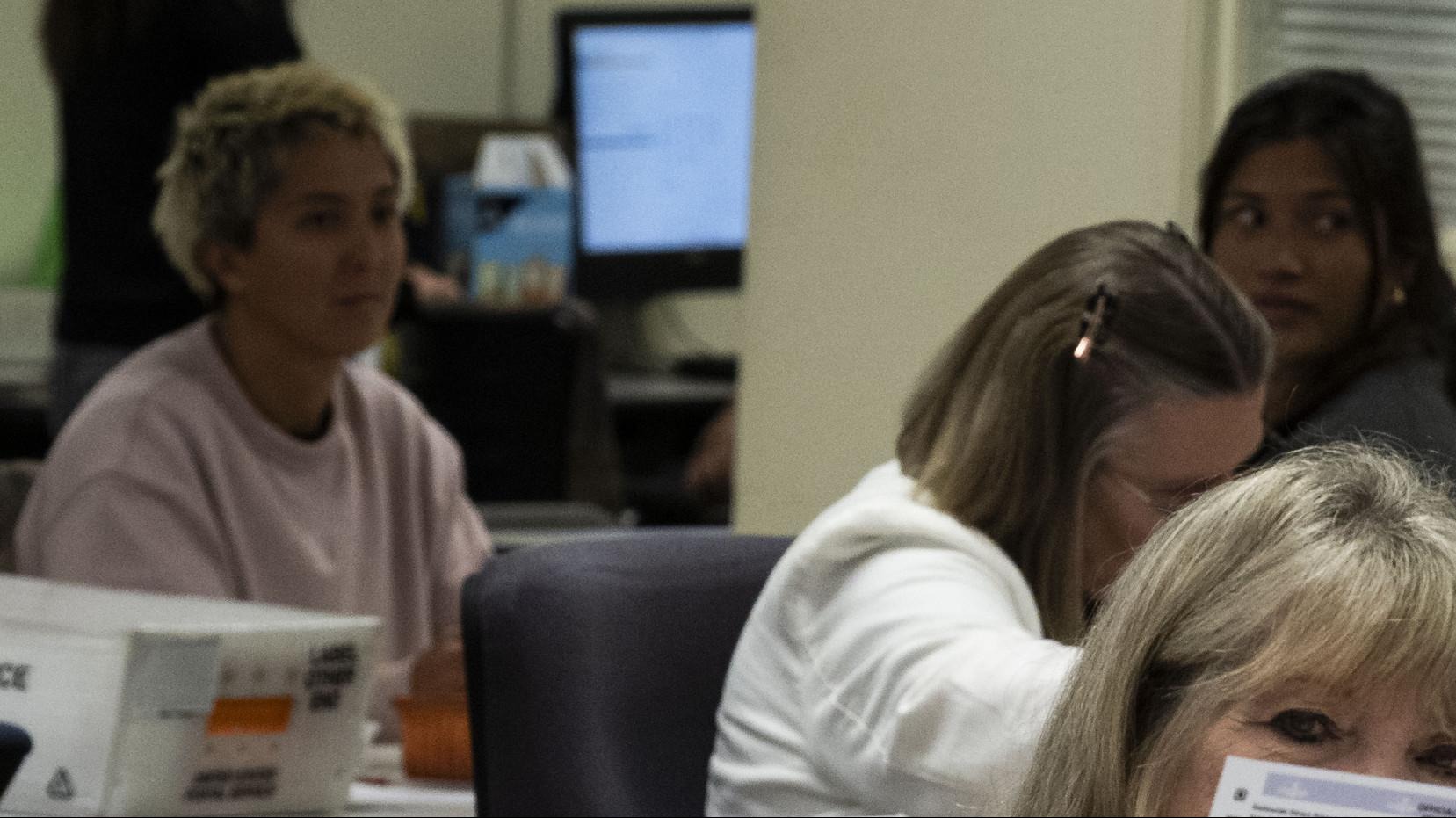
Finally, no election could happen without the thousands of everyday citizens who serve as election inspectors, or poll workers. These individuals are trained by clerks and are responsible for the hands-on work at polling places. They check in voters, issue ballots, manage the voting equipment, and ensure procedures are followed correctly on Election Day. They are a critical part of the process, ensuring that polling places run smoothly and transparently for everyone. These are often your neighbors, and they play a vital, non-partisan role in making democracy function at its most basic level.