




The Straight Answer: A Closed System
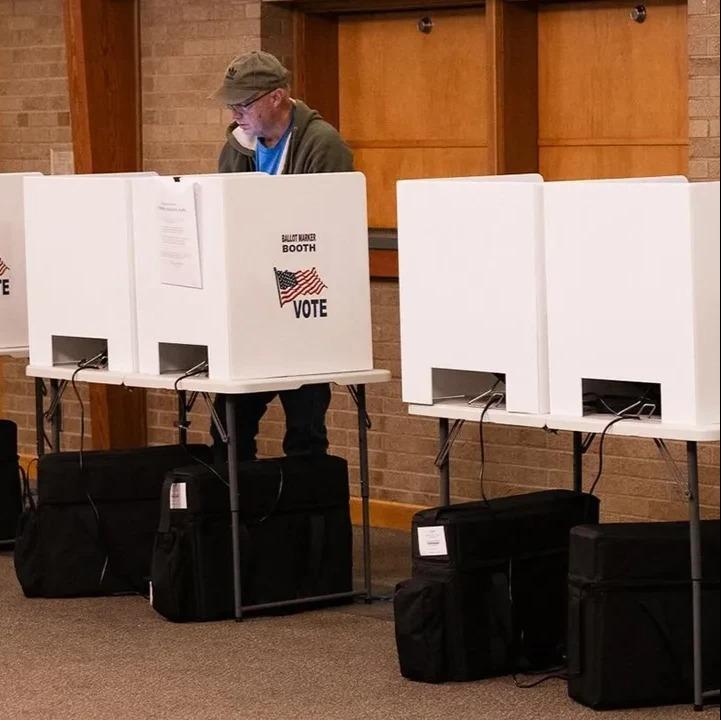
Maryland has a closed primary system. In simple terms, this means you must be registered as a member of a political party to vote in that party's primary election. If you're a registered Democrat, you get the Democratic ballot to choose nominees for your party. If you're a registered Republican, you get the Republican ballot. This setup is designed to allow political parties to select their standard-bearers for the general election from within their own ranks.
Open vs. Closed: What's the Real Difference?
The distinction between primary types comes down to who gets to participate. In a closed primary like Maryland's, participation in partisan races is restricted to party members. In contrast, an open primary allows any registered voter to choose which party's primary they want to vote in on Election
Day, without having to be affiliated with that party. Some states have semi-closed systems, where registered party members vote in their party's primary, and unaffiliated voters are also allowed to participate by choosing one party's ballot. But in Maryland, the two major parties, Democratic and Republican, have historically chosen to keep their primaries closed to outsiders.
The Unaffiliated Voter's Dilemma
What does this mean if you're one of the nearly one million Marylanders registered as 'unaffiliated' or independent? For the most part, it means you cannot vote for candidates in the Democratic or Republican primaries for offices like Governor, Congress, or state legislator. Since many districts in Maryland are heavily skewed toward one party, the primary election often effectively decides the winner of the general election. This leaves a significant portion of the electorate without a say in who their representative will be. The one major exception is nonpartisan races. All registered voters, regardless of party affiliation, can vote in nonpartisan contests, such as those for local school boards.
Want to Participate? Here's How
If you're an unaffiliated voter who wants to cast a ballot in a party's primary, you have one option: change your party affiliation. You can do this by submitting a new voter registration application online, by mail, or in person. However, you can't wait until the last minute. The deadline to change your party affiliation is typically three weeks before the primary election date. For the 2026 primary, for example, that deadline was June 2, 2026. If you miss that window, you won't be able to vote in the partisan primaries. It's crucial for voters to check and, if desired, update their registration status well ahead of time through the Maryland State Board of Elections website.
Why Have a Closed Primary at All?
The debate over primary systems is ongoing. Supporters of closed primaries argue that political parties have a right to select their nominees without outside interference. They believe it prevents 'crossover voting,' where members of an opposing party might strategically vote for a weaker candidate to give their own party an advantage in the general election. This system ensures that the candidates who advance truly represent the values of the party's base. On the other hand, critics argue that closed primaries are undemocratic because they exclude a large and growing number of independent voters. They also contend that these systems can lead to more polarized candidates, as contenders only need to appeal to the most ideological party members rather than a broader electorate. Organizations like the League of Women Voters of Maryland have even adopted positions in favor of opening the primaries, arguing it would restore fairness and accountability.