



The Difference: Open vs. Closed Primaries
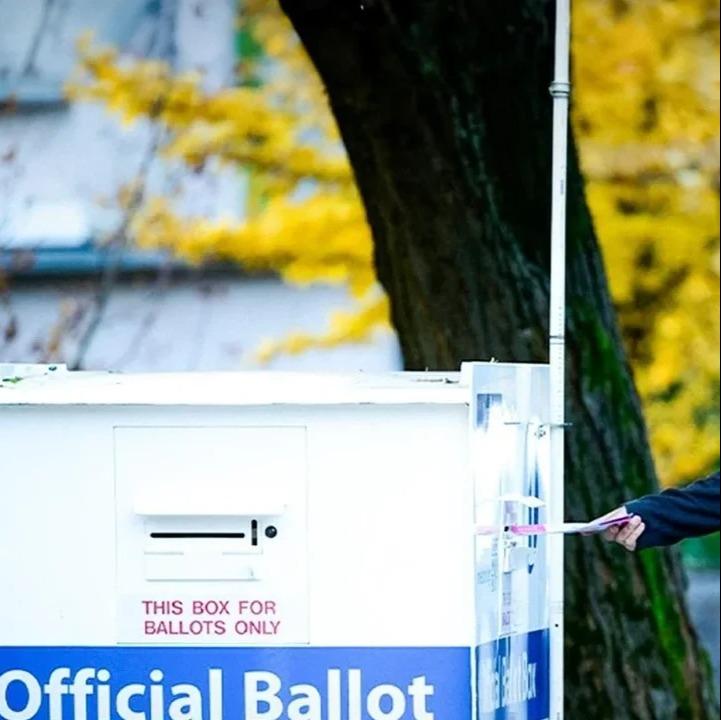
Before diving into Nevada's specific rules, it's helpful to understand the two basic systems. In a 'closed primary', you have to be registered as a member of a political party to vote in that party's primary election. For example, only registered Democrats can vote for Democratic primary candidates, and only registered Republicans can vote for Republican ones. An 'open primary', on the other hand, allows any registered voter to participate, regardless of their party affiliation. They can choose which party's primary they want to vote in, offering more flexibility.
The Silver State's System: A Closed Affair
So, which system does Nevada use? The answer is clear: Nevada has closed primaries for partisan offices. This means if you want to vote for a Democratic or Republican candidate for U.S.
Senate, Governor, or Congress in the primary, you must be a registered member of that specific party. If you're registered with a minor party or as 'nonpartisan,' you cannot vote in the major party primaries. However, all voters, regardless of party, can vote for nonpartisan offices like judges or city council members during the primary election.
The Elephant in the Room: Nevada's Nonpartisan Voters
Here's where the closed system creates a significant dynamic in Nevada politics. Nonpartisans are the largest and fastest-growing group of registered voters in the state. As of late 2026, nearly 39% of all active voters in Nevada are registered as nonpartisan—outnumbering both registered Democrats and Republicans, who each make up about 27.5% of the electorate. This means a huge portion of the voting population is excluded from the primary process that determines which candidates appear on the general election ballot for major partisan offices. The surge in nonpartisans is partly due to the state's automatic voter registration system, where residents who don't select a party are defaulted to nonpartisan status.
A Fierce Debate Over Opening the System
The exclusion of so many voters has fueled a major push to change Nevada's election laws. A significant effort was Question 3, a ballot initiative that aimed to create a top-five open primary system combined with ranked-choice voting for the general election. Under this proposal, all voters would have received the same ballot, and the top five finishers, regardless of party, would advance. The measure passed in 2022, but because it was a constitutional amendment, Nevada law required it to pass in two consecutive general elections. In the 2024 election, however, voters rejected Question 3, with 53% voting 'no'. This defeat solidified Nevada's status as a closed-primary state for the foreseeable future and was seen as a major setback for electoral reform advocates.