

The View from the Top: The Secretary of State
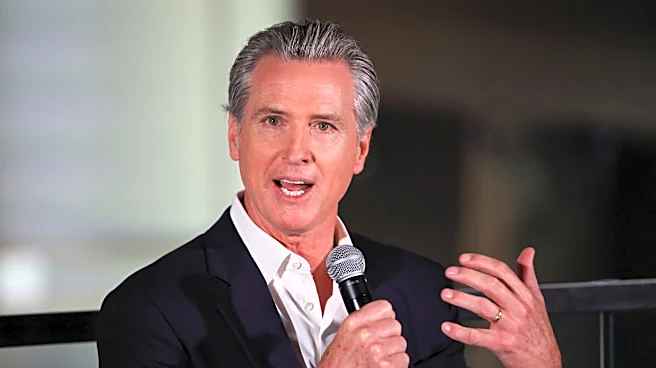
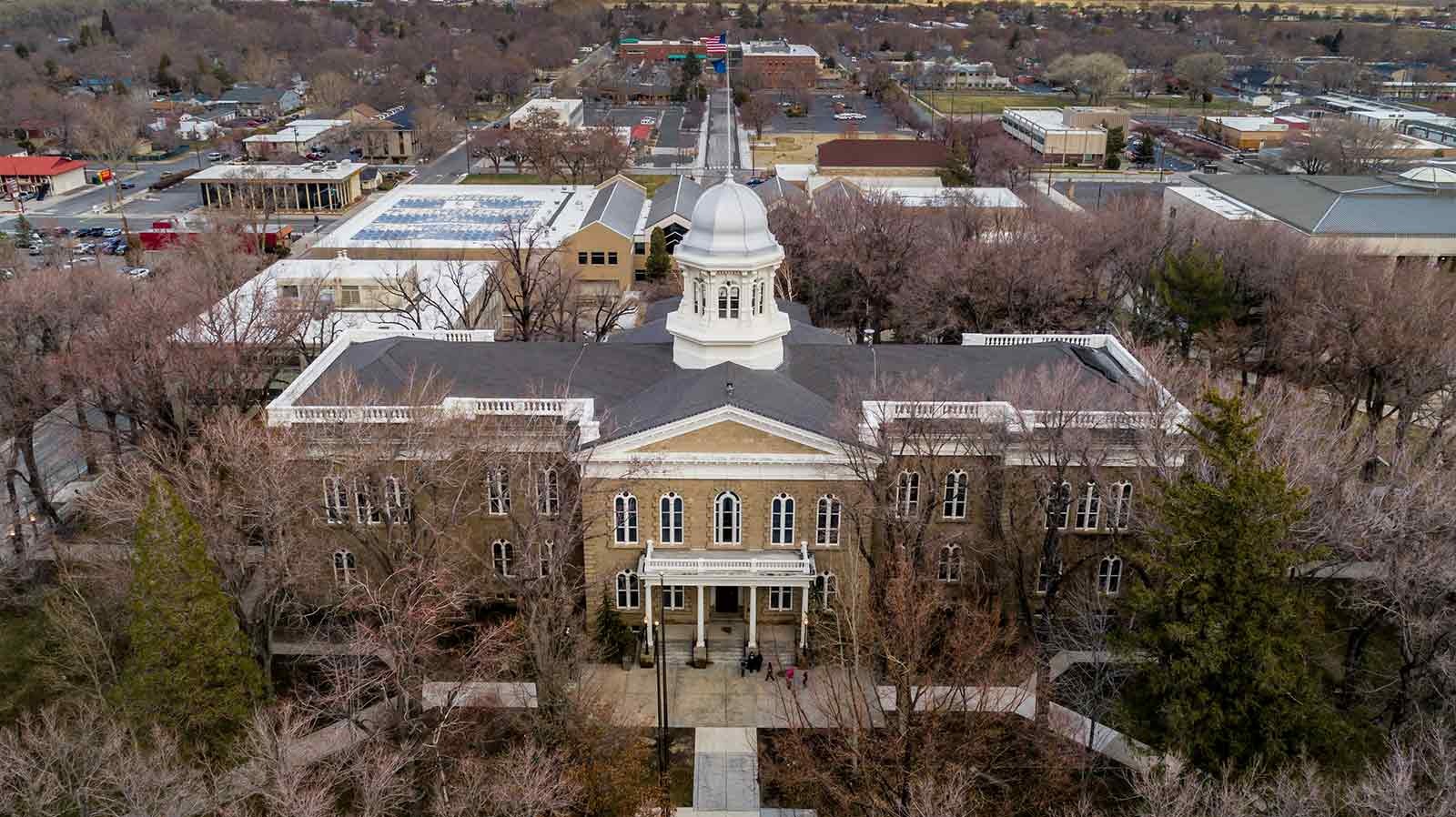
At the statewide level, the Nevada Secretary of State is the chief elections officer. This elected official and their office have the crucial job of overseeing state and local elections to ensure they are run uniformly and fairly according to state and federal law. Their duties include certifying candidates and ballot questions for the entire state, maintaining the statewide voter registration database, and ultimately certifying the final election results. Think of the Secretary of State as the conductor of the orchestra; they don't play every instrument, but they make sure everyone is playing from the same sheet music. They provide guidance, publish procedural manuals, and offer training to the local officials who handle the day-to-day work.
The County Level: Where Elections Come to Life
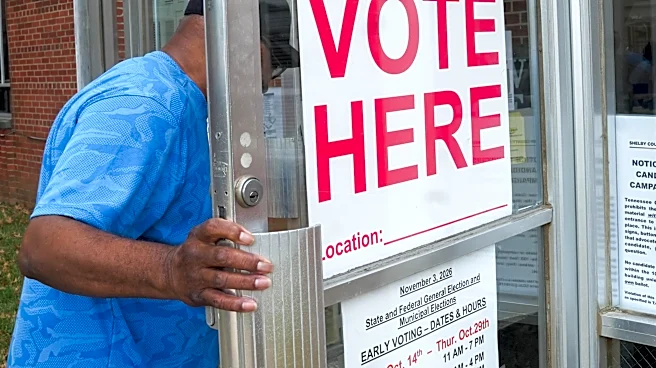
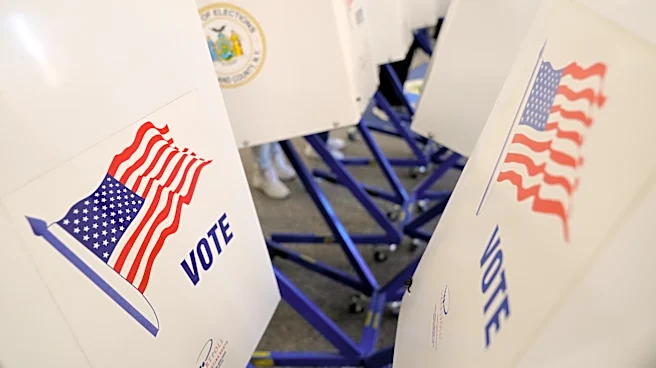
While the Secretary of State sets the statewide rules, the real-world, hands-on work of running an election happens at the county level. Each of Nevada's counties has a Clerk or a Registrar of Voters who is the primary administrator for all elections within their jurisdiction. These officials are responsible for the logistical heavy lifting that defines an election. This includes everything from registering voters and maintaining local voter rolls to designing and printing ballots. Since Nevada became an all-mail ballot state, county clerks are responsible for mailing a ballot to every active registered voter, a massive operational task. They also manage all the polling locations for early voting and Election Day, secure ballot drop boxes, and hire and train the thousands of people needed to staff these sites.
Counting the Votes: A Local Responsibility
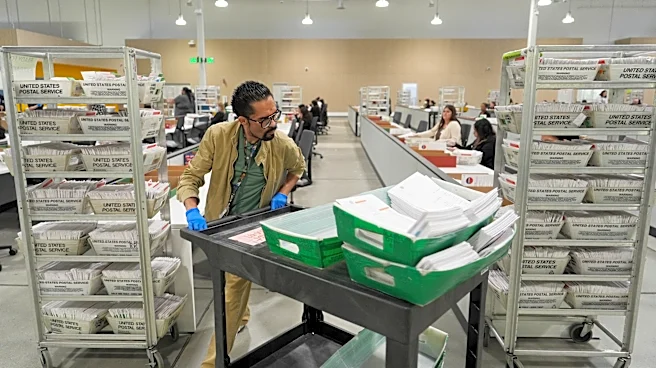
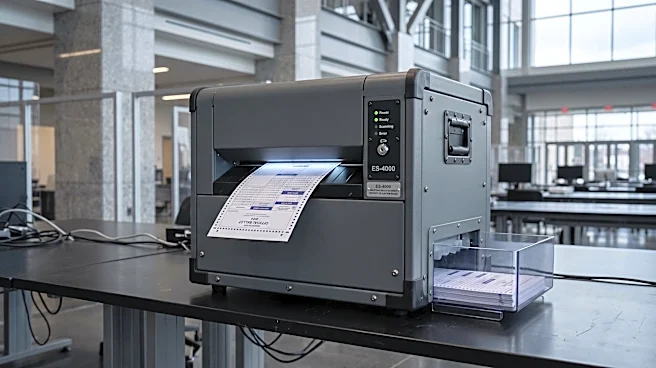
Once the polls close and ballots are returned, the responsibility for counting them also lies with the county officials. County clerks and registrars oversee the entire tabulation process. This includes verifying voter signatures on mail-in ballot envelopes against the signatures on file—a key security step. If a signature is missing or doesn't match, Nevada law includes a "cure" process, where election officials must attempt to contact the voter to give them an opportunity to fix the issue so their vote can be counted. The counting itself is done by a central counting board at the county level, and the process is public, allowing for observation. Only after the counties have counted all the votes, conducted their local canvass to finalize the totals, and transmitted them to the state does the Secretary of State step in to perform the final statewide certification.
The Team Effort: Poll Workers and Observers
No election could happen without the army of citizens who step up to be temporary election workers. More than 4,500 people across Nevada help make elections run smoothly. These are the people who check you in at a polling place, assist with same-day registration, and help manage the flow of voters. They receive training from the county clerk's office and are essential to the process. Furthermore, the system is designed with transparency in mind. Political parties, non-partisan groups, and candidate campaigns are allowed to have designated observers, also known as poll watchers, present during voting and vote counting. These observers can monitor the process to ensure all rules and procedures are being followed correctly, providing another layer of public oversight and confidence in the results.