



The State's Chief Election Officer
At the very top, the responsibility for overseeing all state and federal elections in Alaska falls to the Lieutenant Governor. This is a unique structure; in most other states, this role is handled by a Secretary of State. The Alaska Constitution specifies that the Lieutenant Governor, who runs on a joint ticket with the Governor, performs duties prescribed by law, and state law designates them as the chief election officer. This means they are ultimately accountable for the faithful execution of election laws, from certifying ballot language to overseeing the final count and certification of the results. Before 1970, the position was actually called Secretary of State, highlighting its administrative focus.
The Engine Room: The Division of Elections
While the Lieutenant Governor is the final
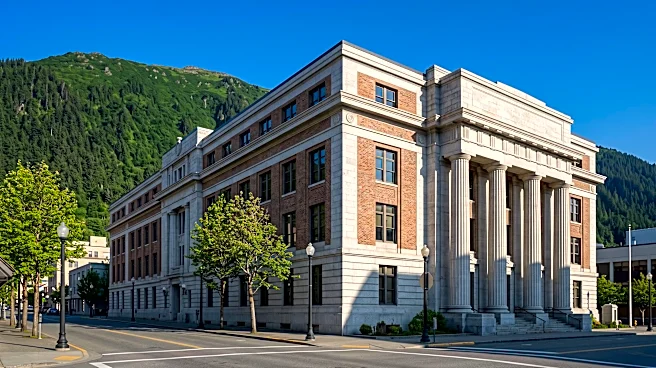
authority, the day-to-day, year-round work of election administration is handled by the State of Alaska Division of Elections. Headed by a director appointed by the Lieutenant Governor, this is the centralized body that manages the machinery of democracy for the entire state. The division's headquarters is in Juneau, with four regional offices managing specific districts across Alaska. Its responsibilities are vast: maintaining the statewide voter registration list, designing and printing ballots, shipping supplies, training poll workers, and providing information to the public. Given the state's unique top-four primary and ranked-choice voting general election system, the division is also responsible for educating voters and correctly tabulating the multi-round counts.
On the Ground: Precinct and Poll Workers
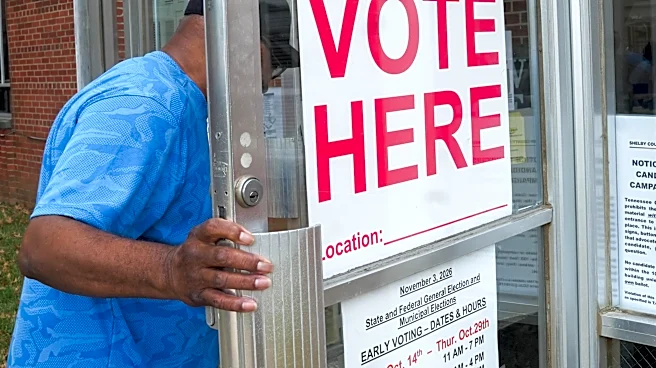
Elections are ultimately a local affair, and in Alaska's 441 precincts, the system relies on hundreds of temporary election workers. These are the people who set up polling places, verify voter registrations, issue ballots, and provide assistance to voters on Election Day. A precinct is typically run by a board, led by a Chairperson who oversees operations. To become a poll worker, you must be a registered Alaska voter and attend a mandatory training session. Given Alaska's geography—with more than half of its precincts accessible only by plane or boat—training itself is a huge undertaking, often involving DVDs, local television broadcasts, and online videos to reach every community. In some of the smallest remote villages, finding people to serve as election workers can be a significant challenge, sometimes even preventing a polling place from opening.
The Final Count: Review Boards and Certification
Casting a ballot is just one step. After the polls close, a methodical, multi-layered review process begins. Bipartisan boards at the regional level are crucial to this phase. Regional Counting Boards test tabulation equipment and scan early, absentee, and questioned ballots. Absentee and Questioned Ballot Review Boards, also bipartisan, are responsible for examining each of these ballot envelopes to verify the voter's eligibility before the ballot can be counted. This is particularly important because Alaska receives absentee ballots from military members and overseas voters up to 15 days after a general election. The final step rests with the bi-partisan State Review Board in Juneau. This board conducts its own audits, including hand-counting ballots from randomly selected precincts, verifies the work of all the other boards, and oversees the final ranked-choice voting tabulation. Only after this comprehensive review does the board, along with the Director of Elections and the Lieutenant Governor, certify the election results as official.