





The Process Starts Locally
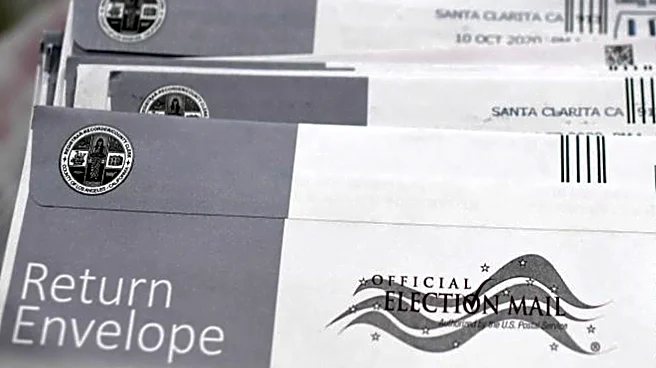
The entire certification process begins in each of Pennsylvania's 67 counties. The county boards of elections, which in most cases are composed of the county commissioners, are the first officials to formally act. Their job is to canvass the election, which is the official process of counting and verifying every valid vote. This includes ballots cast in person on Election Day, mail-in ballots, and absentee ballots. They review records from each precinct, resolve any issues with provisional ballots, and ensure all eligible votes are included in the final tally. This is a meticulous, public process that serves as the foundation for the statewide results. The county boards are required by law to handle these duties, which are considered ministerial,
meaning they are mandatory and not discretionary.
The County Certification Deadline
Counties don't have an unlimited amount of time. They must begin the public canvassing process no later than the third day after the election. They are required to submit their finalized, certified results to Pennsylvania's Secretary of the Commonwealth no later than the third Monday following the election. Before this final certification, there is a period where unofficial returns are posted, typically by the Tuesday after the election. This window allows for petitions for recounts or other legal challenges to be filed before the county's results become official. Once any recounts are completed and all legal questions are settled at the county level, the board formally certifies its results and transmits them to the state.
The Secretary of the Commonwealth's Role
Once the certified results from all 67 counties arrive, the focus shifts to the state capital. The Secretary of the Commonwealth is Pennsylvania's chief election official. This official, who is appointed by the governor and confirmed by the state Senate, is responsible for tabulating, computing, and canvassing the votes from every county to produce the official statewide results. After reviewing all the county returns, the Secretary certifies the vote totals for federal offices, including U.S. House and Senate races. This is the key moment of statewide certification, where the votes from across the commonwealth are officially combined and finalized.
The Final Step: The Governor's Signature
After the Secretary of the Commonwealth has certified the vote totals for congressional races, state law requires the Secretary to present these final tabulations to the Governor. The Governor's role is the final piece of the puzzle. He or she is required to immediately issue a "certificate of election" to the candidates who received the highest number of votes. This certificate is signed by the Governor and attested by the Secretary of the Commonwealth, bearing the seal of the Commonwealth. It is the formal document that declares the winner and is ultimately delivered to the U.S. House of Representatives or Senate. So, while the Secretary certifies the numbers, the Governor formalizes the victory by issuing the official commission to the winning candidate.