





The First Steps: Mail-In and Early Ballot Security
For the tens of thousands of voters who choose to vote by mail or early in person, the process begins well before Election Day. When your mail-in ballot arrives at your local election office, the first step is verification. Officials check your signature on the ballot envelope against the one they have on file from your voter registration. If the signature matches and the envelope is properly completed, your ballot is accepted. Your name is then marked off the voter list, preventing any possibility of voting more than once. These ballots are kept in sealed envelopes and stored securely, often in a vault, until they are ready for public counting sessions.
The Count Begins: Central Tabulation and Polling Places
Massachusetts uses paper ballots for all elections, which provides a verifiable trail. Most
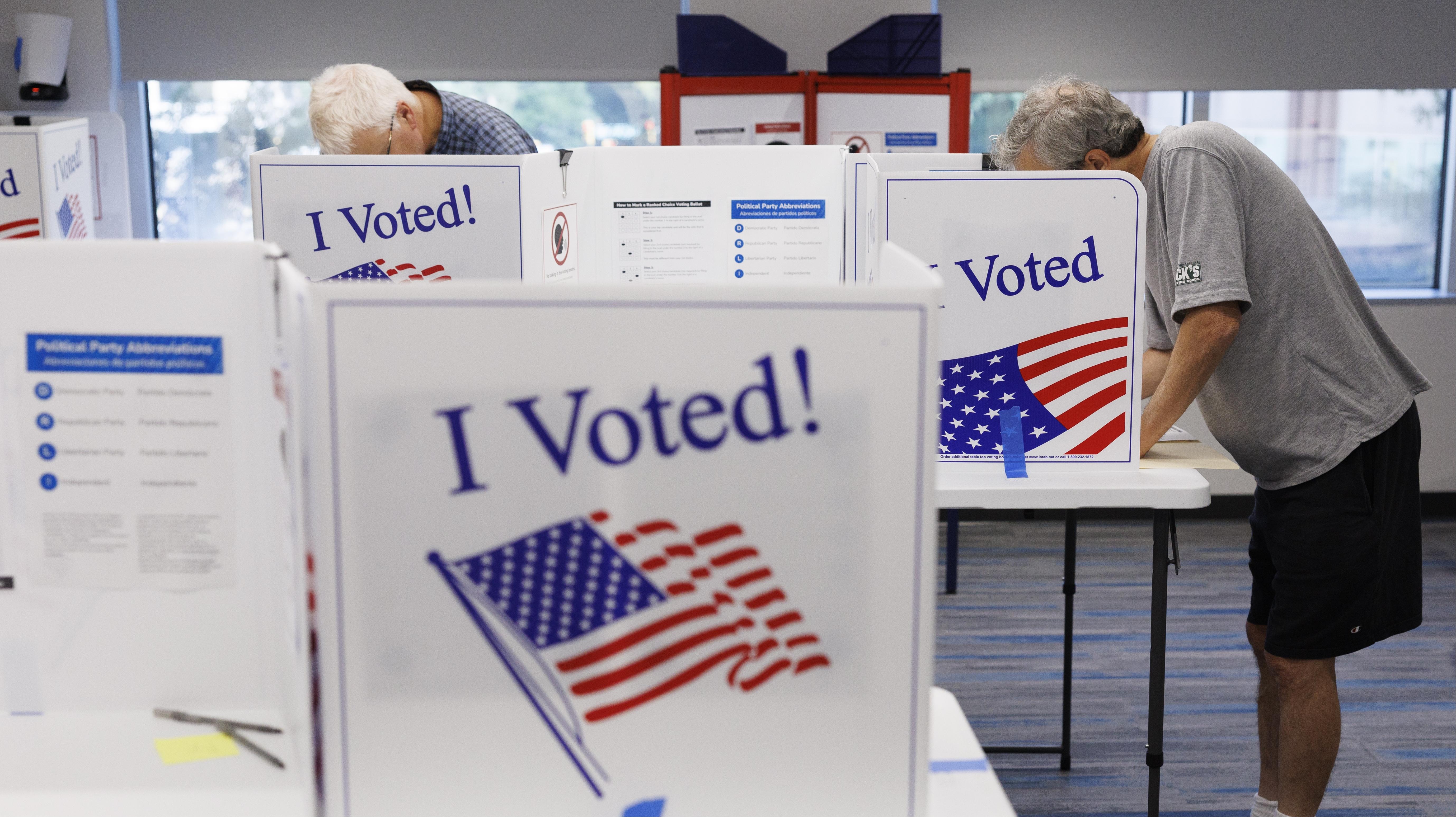
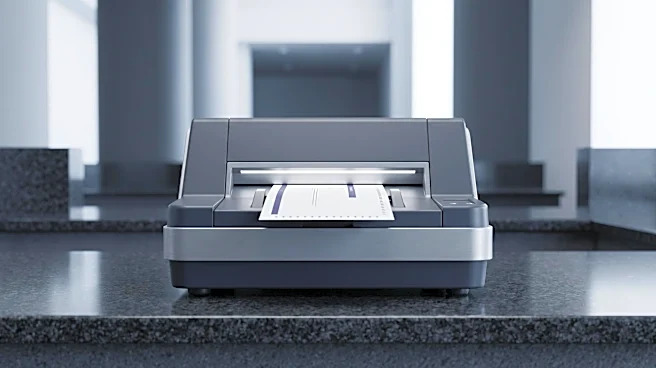
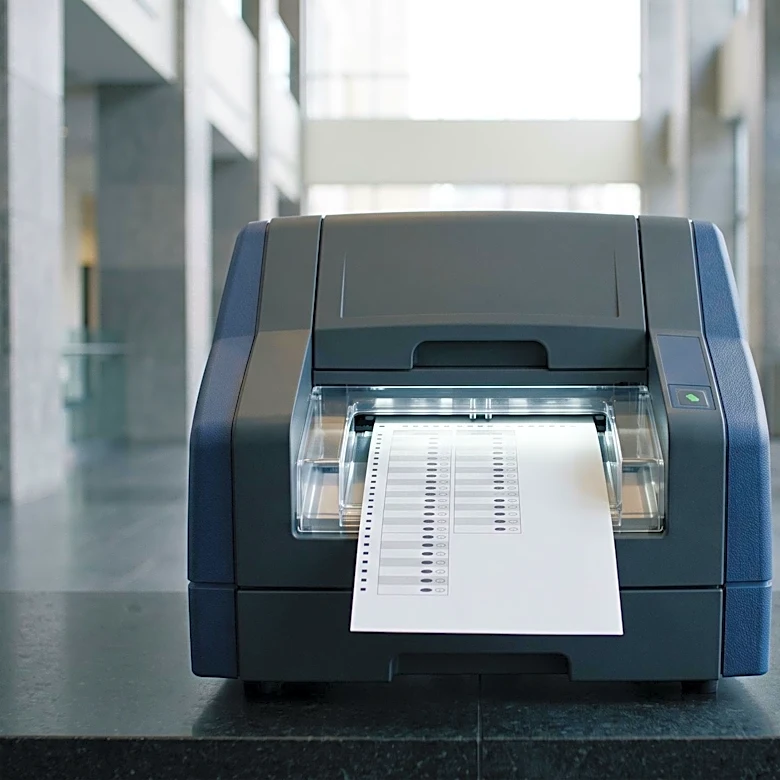
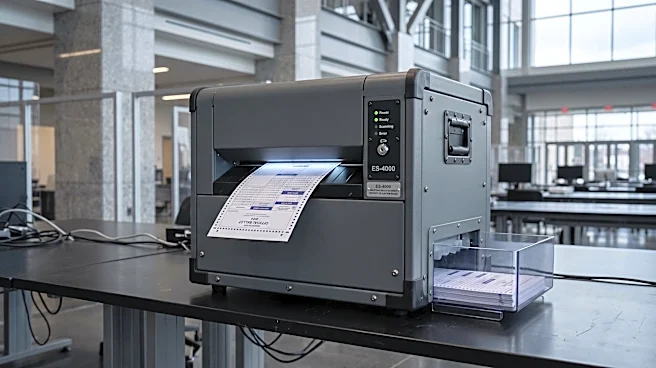
communities use electronic tabulators to count votes. Before every election, these machines undergo public 'logic and accuracy' testing to ensure they are counting correctly, and they are never connected to the internet. Ballots cast early or by mail are often processed at a 'central tabulation' facility run by the local election clerk. In these publicly observable sessions, envelopes are opened, ballots are removed and shuffled to protect secrecy, and then fed into the tabulators. Ballots cast in person on Election Day are fed directly into a tabulator at the polling place, which counts them instantly.
Election Night: Unofficial Results
Once the polls close at 8 p.m., the work is far from over. At each polling place, election workers record the vote totals from the tabulator's paper receipt. They also hand-count any write-in votes and add those to the precinct's tally sheet. Local election officials then begin releasing these 'unofficial results' to the public and media. These initial numbers include all votes counted that day—in-person, early, and mail-in ballots that arrived on time. However, they are considered unofficial because some ballots, like those from overseas voters or provisional ballots, are still being processed.
After Election Day: The Final Canvass
The days following an election are dedicated to ensuring every valid vote is counted. In biennial state elections, mail-in ballots postmarked by Election Day can still be counted if they arrive within three days. Local officials also investigate provisional ballots to determine voter eligibility. Furthermore, they check any mail-in ballots that arrived on or after Election Day against the polling place voter lists to confirm the person did not also vote in person; any duplicates are rejected. These remaining valid ballots are then counted in a public session.
Making it Official: Audits and Certification
To guarantee accuracy, Massachusetts law mandates a post-election audit after every presidential election. The Secretary of State randomly selects 3% of all precincts for a full hand count of their ballots. This audit is open to the public and if discrepancies are found, the hand count total becomes the new official record. Once all votes are tallied and audits are complete, local election officials certify their results and send them to the Secretary of the Commonwealth. The final step is certification by the Governor and Governor's Council, at which point the results become official. If a race is extremely close—within 0.5%—candidates or voters can petition for a recount.