



The Primary Primer: Open vs. Closed
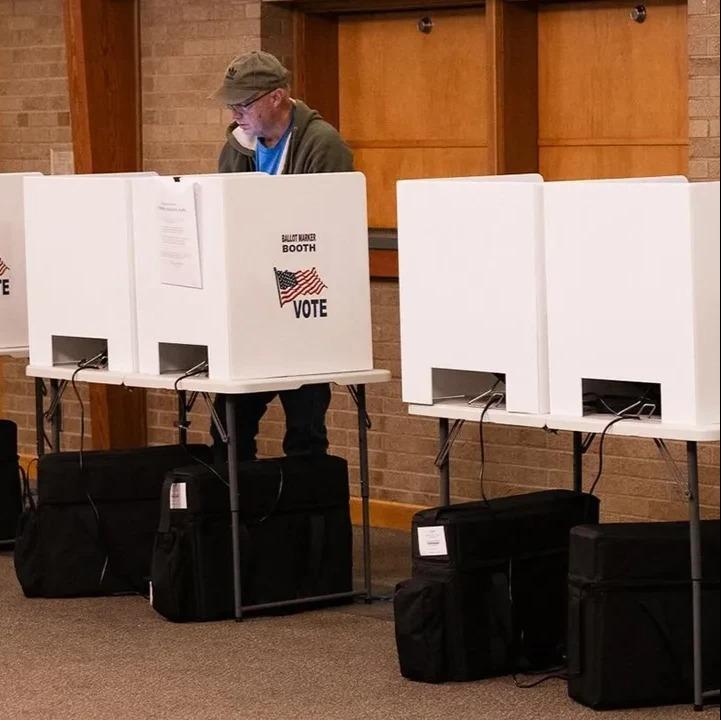
First, let's break down the basics. In a 'closed' primary system, you must be a registered member of a political party to vote in its primary. If you’re registered as a Democrat, you get a Democratic ballot; a Republican, a Republican ballot. Independents are often left on the sidelines. On the other end of the spectrum is the 'open' primary. In this system, any registered voter can participate. You walk into the polling place and can privately choose which party’s primary you want to vote in for that election, regardless of your own affiliation or lack thereof.
The Illinois Answer: A Hybrid Approach
So where does Illinois fit in? The Land of Lincoln uses a system that blends elements of both, best described as 'semi-closed' or 'partially open'. Here’s the key difference: unlike in many
other states, Illinois voters do not register with a political party beforehand. Your voter registration card is non-partisan. However, you can't just privately pick a ballot. To vote in a partisan primary, you must publicly declare which party's ballot you want at your polling place. This system offers more flexibility than a strictly closed primary but comes with a public declaration of your choice for that specific election.
How It Works on Election Day
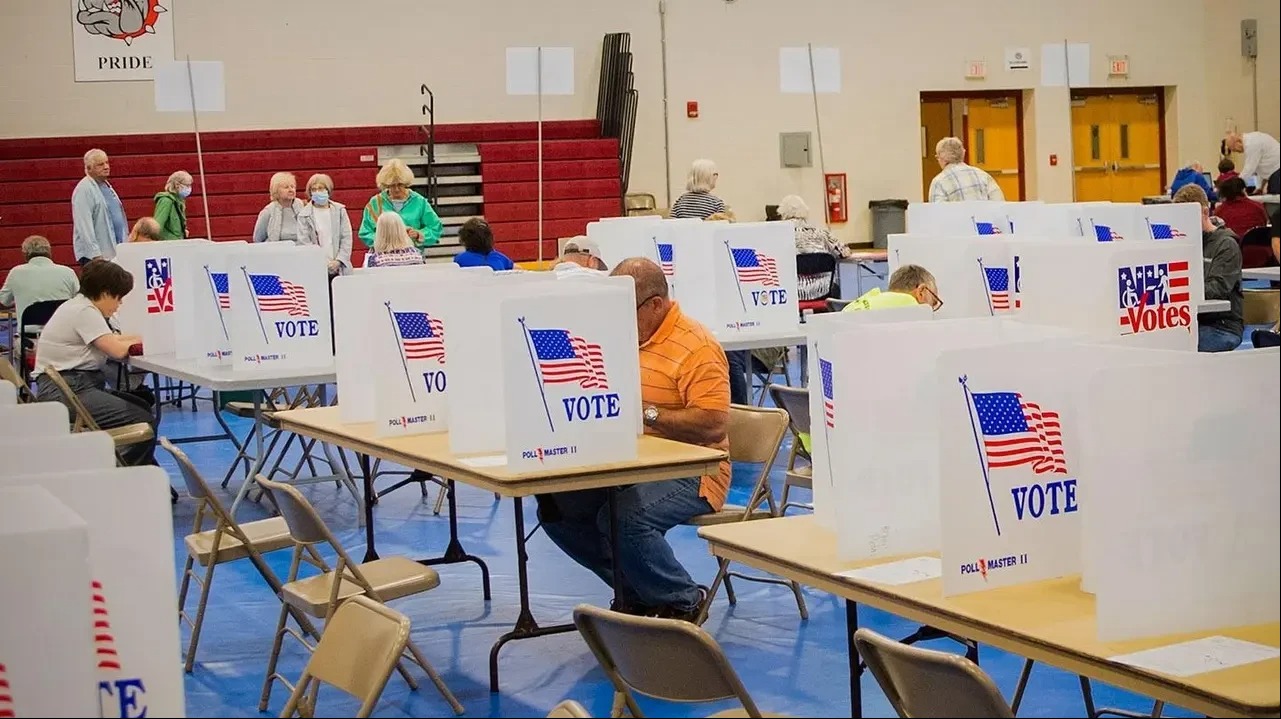
Picture this: you walk into your polling station for a primary election. An election judge will ask you to state your name, address, and which party’s ballot you’d like to receive—for instance, Democratic or Republican. Once you make your choice, they give you the corresponding ballot, and your selection is noted in the poll book. You then cast your vote. It's a straightforward process, but that public declaration is a crucial step. Some voters might not realize this choice is recorded. It’s also possible to request a nonpartisan ballot if one is available, which would only include referenda or other non-party-specific issues.
Does My Choice Lock Me In?
This is a common point of confusion. The party ballot you choose in one primary election does not permanently brand you as a member of that party. Your choice simply affiliates you with that party for that single primary. When the next primary election rolls around in two years, you are completely free to choose a different party's ballot. For example, if you pulled a Republican ballot in the 2024 primary, you are perfectly entitled to request a Democratic ballot in the 2026 primary. This system allows for voter flexibility from one election to the next, a key feature that distinguishes it from truly closed primaries where changing parties requires re-registering.
Why This System Matters for Voters
The Illinois model strikes a specific balance. By requiring a public declaration, it aims to prevent 'crossover raiding'—where members of one party strategically vote in another's primary to nominate a weaker general election opponent. At the same time, it ensures that unaffiliated or independent-minded voters aren't disenfranchised, as they can participate by simply choosing a party at the polls. However, the public nature of that choice is a significant detail. Political campaigns and party organizations can, and do, access this data to identify potential supporters for future outreach. Understanding this dynamic is a key part of being an informed voter in Illinois, as your primary choice sends a public signal, even if it isn't a permanent commitment.